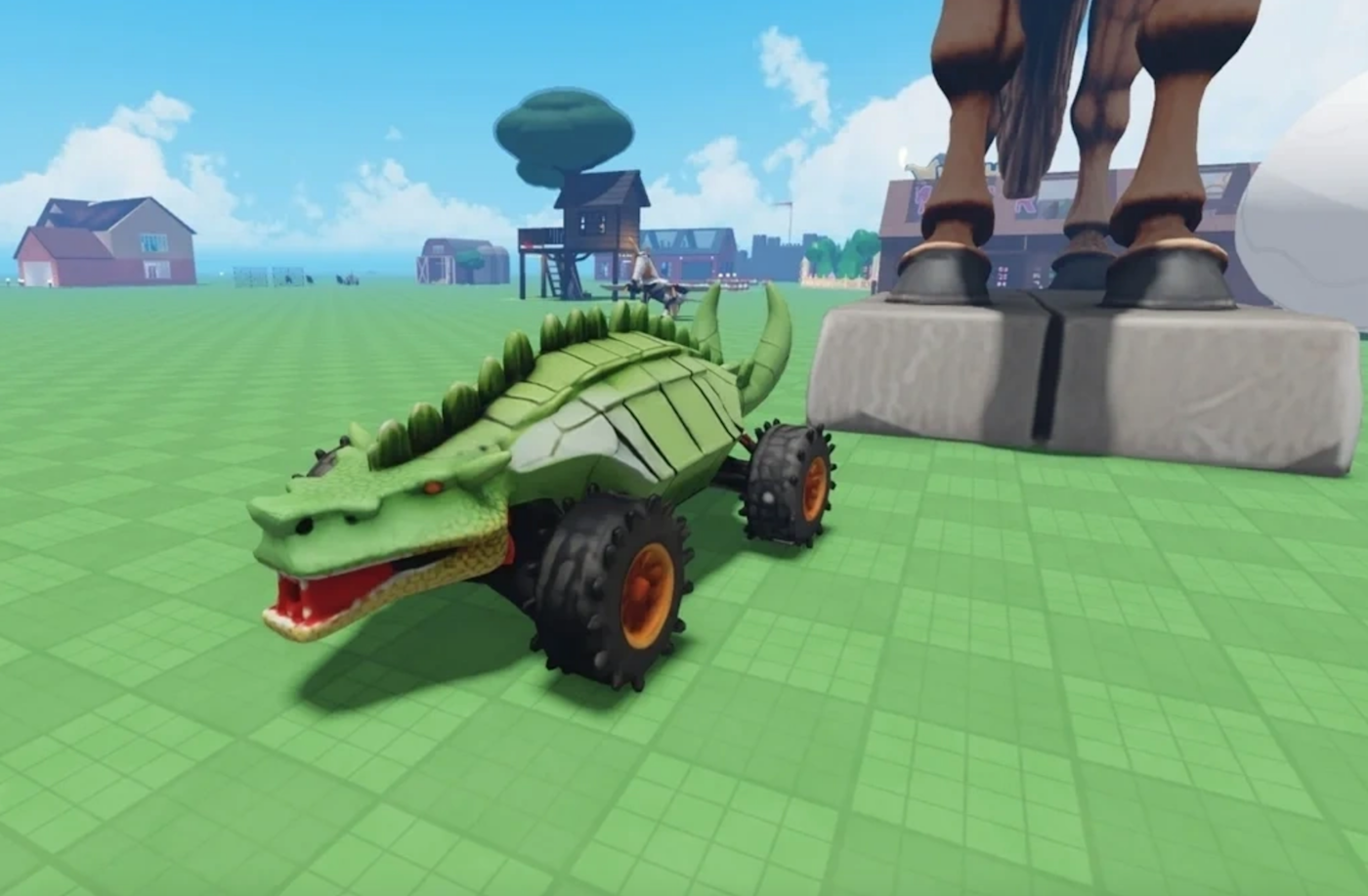
Roblox has launched an open beta for its new creation toolset that allows users to generate interactive “4D” objects. This development follows the introduction of an open-source AI model in early 2023, which enabled the on-the-fly generation of 3D objects. While the term “4D” may suggest access to an additional dimension, it actually refers to the enhanced interactivity of 3D objects created through user prompts.
The new toolset offers users the ability to create not just static models but functional objects that move and respond to player interactions. Currently, the beta version provides two templates: one for creating cars and another for solid objects, such as boxes or sculptures. The vehicles created are fully drivable, consisting of five independent parts that facilitate features like spinning wheels and opening doors. Roblox claims that the physics engine governing these creations will provide an accurate representation of real-world dynamics, paving the way for a surge in user-generated racing games.
Roblox’s creative community can already experience the new features through a game called Wish Master, where players can generate vehicles, aircraft, and various other objects. Although the current templates are limited, Roblox has indicated plans to allow creators to devise their own templates in the future, although no specific timeline has been provided. Furthermore, the company is reportedly working on technology that will enable the generation of 3D models from reference images.
This latest update occurs against a backdrop of challenges for Roblox, including legal scrutiny and investigations related to child safety. The company has recently implemented mandatory facial verification for accessing chat features, a move that has faced criticism and difficulties. Some nations have responded to these concerns by banning the platform entirely in a bid to enhance child protection measures.
In summary, Roblox is expanding its creative capabilities with the introduction of its “4D” toolset in open beta, marking a significant step towards more interactive and engaging user-generated content. As the platform evolves, it remains to be seen how it will navigate the complexities of user safety and community engagement while fostering innovation.