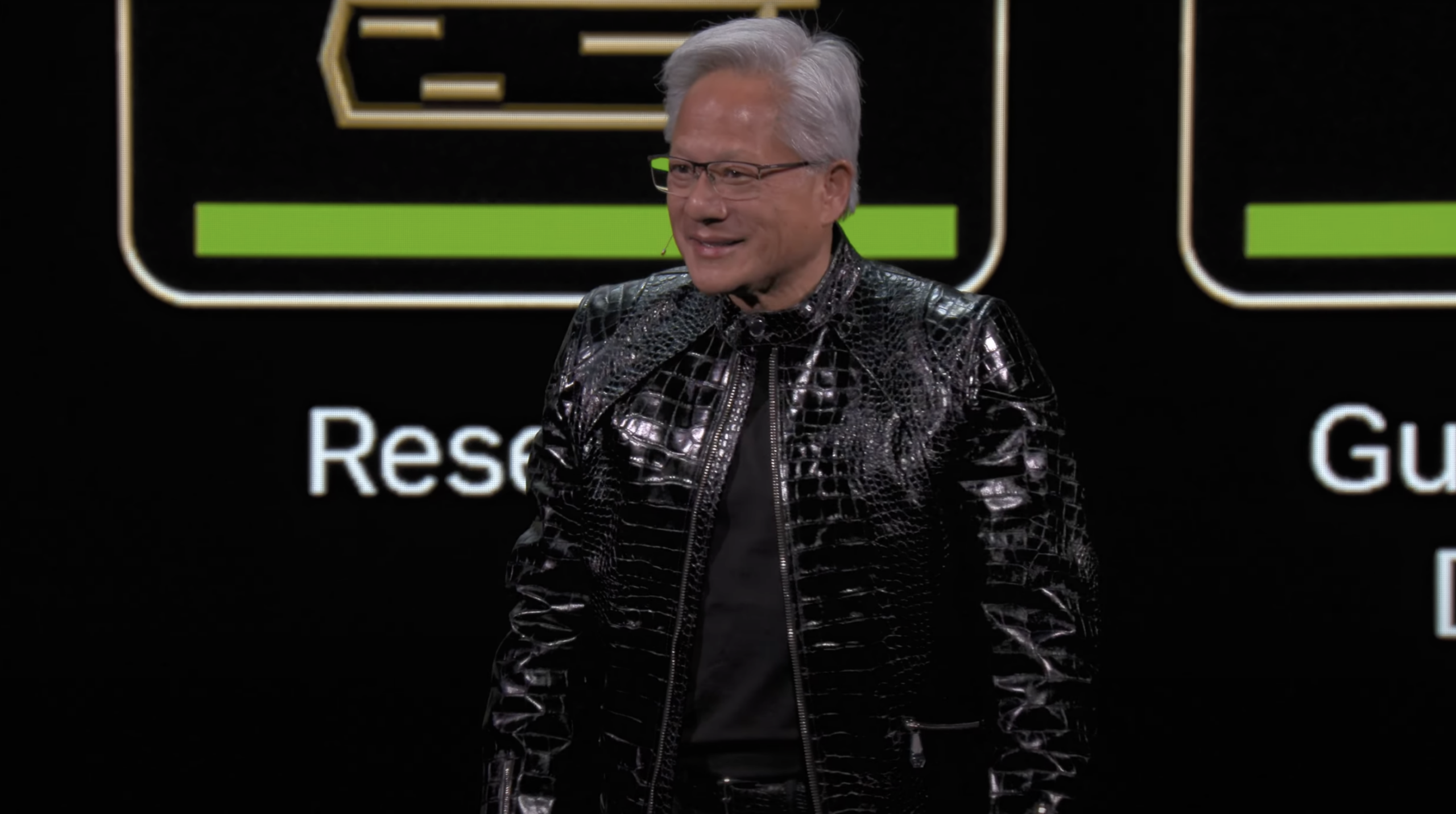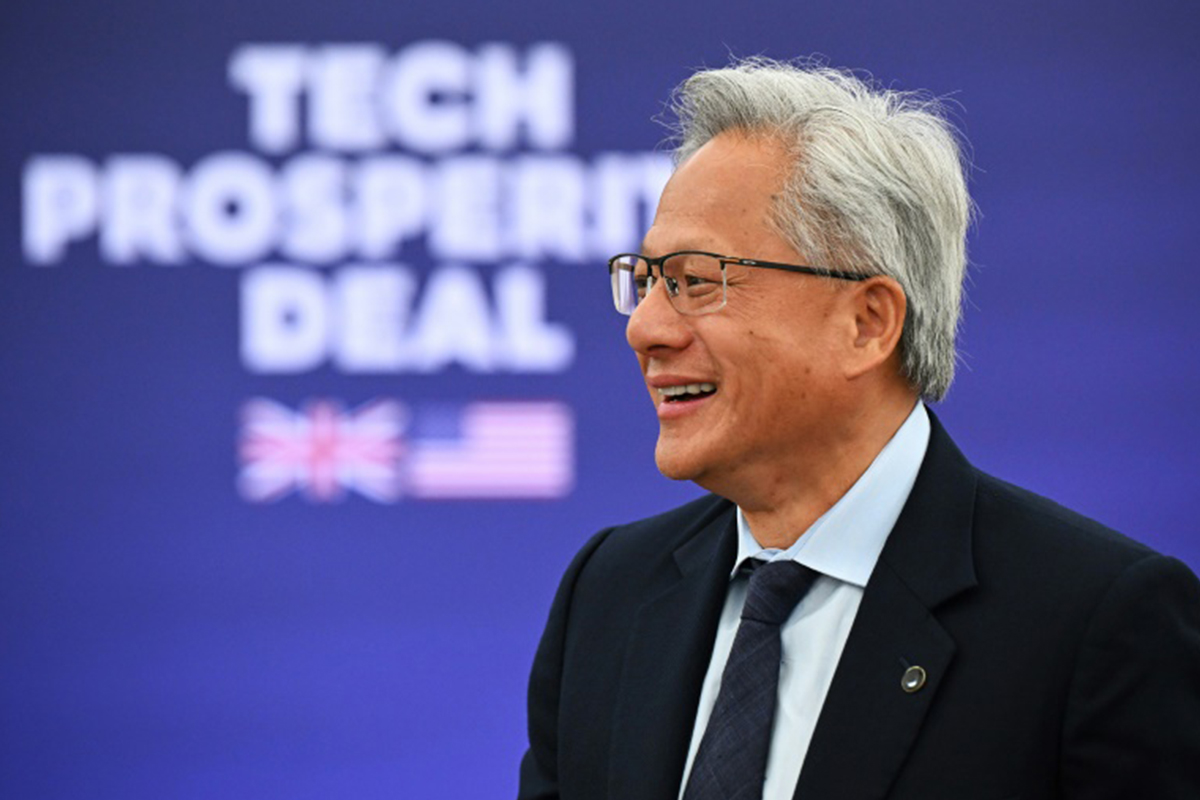
Nvidia reported significant financial results for its fiscal Q4, exceeding market expectations and providing a positive outlook for Q1 revenue. This performance comes amid strong demand for artificial intelligence (AI) technologies, with quarterly revenue rising 73% year-over-year to $68.13 billion. The results address investor concerns regarding the sustainability of spending on AI hardware.
Despite the positive indicators, a global memory shortage remains a challenge for Nvidia, which anticipates ongoing supply chain difficulties in Q1 fiscal 2027 and beyond. Amid this backdrop, Nvidia’s CEO, Jensen Huang, expressed his belief that the market has misjudged the threat AI poses to enterprise software firms.
AI as an Asset for Software Innovation
Huang articulated that various software companies will increasingly adopt agentic AI to drive innovation and improve operational efficiencies. He clarified that AI tools will not replace existing software but will instead enhance their utility. “I think the markets got it wrong. Agents are tool users. All of these tools that we use today, whether it’s Cadence or Synopsys or ServiceNow or SAP, exist for a fundamentally good reason,” Huang stated.
He emphasized that AI will function as intelligent software capable of utilizing these tools effectively. “Nobody’s going to service better than ServiceNow, and they’re going to come up with agents that are really fine-tuned and optimized for the work that uses the tools that they have,” Huang added.
The CEO also highlighted Nvidia’s ongoing collaboration with OpenAI, indicating that a partnership agreement is nearing completion. The two companies previously announced a substantial partnership valued at $100 billion in September 2025.
Industry Perspectives on AI’s Future
The discussion surrounding AI’s effects on the software industry has led to mixed reactions among analysts. Dan Niles, founder of Niles Investment Management, pointed out that historical trends show industries often experience overbuilding before determining winners and losers. He warned that some companies may not survive the transition, stating, “There are some real companies that are going to go to zero in the software space.”
Conversely, Gene Munster of Deepwater Asset Management believes that the rapid advancement of AI will continue for the foreseeable future, accelerating at a pace that many cannot yet grasp.
Financial commentator Jim Cramer countered the notion of an AI-driven existential threat to software firms. He asserted that software companies have proven resilient, capable of adapting and merging as necessary to remain viable. Cramer remarked, “The software companies are survivors. They can merge. They can adapt. They can do whatever is really necessary to get it so they stay in business.”
He noted that while these companies are currently priced for perfection, they exhibit signs of volatility that warrant caution from investors.
As the conversation around AI and its impact on software companies evolves, Nvidia’s strong financial performance underscores the potential of AI technologies while highlighting the industry’s challenges. Investors are advised to conduct thorough analyses and consider market risks before making decisions, as past performance does not guarantee future returns.