Netflix has announced that it will continue to license shows from Warner Bros. Discovery to rival streaming services, including Apple TV. This decision comes as part of Netflix’s anticipated acquisition of Warner Bros. Discovery, valued at approximately $83 billion. According to Netflix co-CEO Ted Sarandos, the Warner TV division will maintain its relationships with other streaming platforms, ensuring that popular series will still be available to audiences outside Netflix.
The acquisition, pending regulatory approval, has raised questions about the future of licensed content in the streaming landscape. Among the key concerns was whether Netflix, having secured HBO Max and Warner Bros., would choose to produce content exclusively for its own platform or continue collaborating with competitors. Sarandos’ confirmation suggests a commitment to a more collaborative approach in the industry, which will likely have significant implications for competitors like Apple TV.
Impact on Apple TV’s Programming
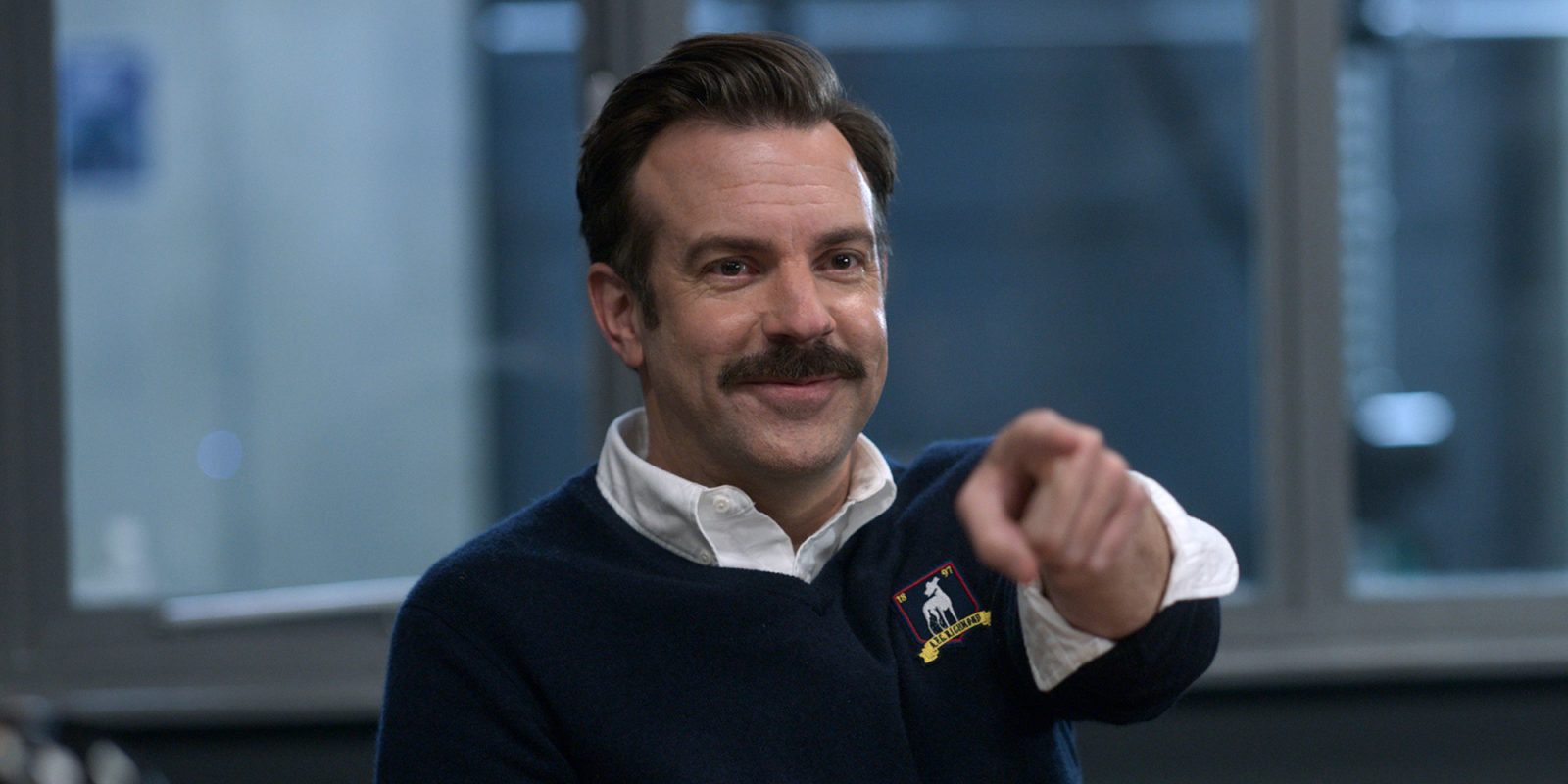
Apple TV features several hit shows produced by Warner’s TV studio, including Ted Lasso, Shrinking, Bad Monkey, and Presumed Innocent, all of which are set to release new seasons soon. Despite being the exclusive streaming home for these series, Apple TV does not produce them in-house; they are licensed productions. The continuation of these licensing agreements means that Apple TV will retain access to some of its most popular content, helping to bolster its subscriber base.
Apple TV currently offers its subscription service for $12.99 per month, featuring various acclaimed TV shows and movies. The platform also includes the Apple One bundle, which combines multiple Apple services into a single subscription. The ongoing partnership with Warner’s TV division may enhance Apple TV’s content library, making it a more appealing option for potential subscribers.
As Netflix’s acquisition progresses, industry observers will be keen to see how it affects the broader streaming ecosystem. The decision to continue licensing shows to rival platforms could foster a more competitive and diverse media landscape.
In light of this announcement, viewers and industry stakeholders alike may want to reflect on how the dynamic between streaming services is evolving. As Netflix and Warner Bros. work to integrate their operations, the outcome may redefine how content is produced and distributed across platforms.