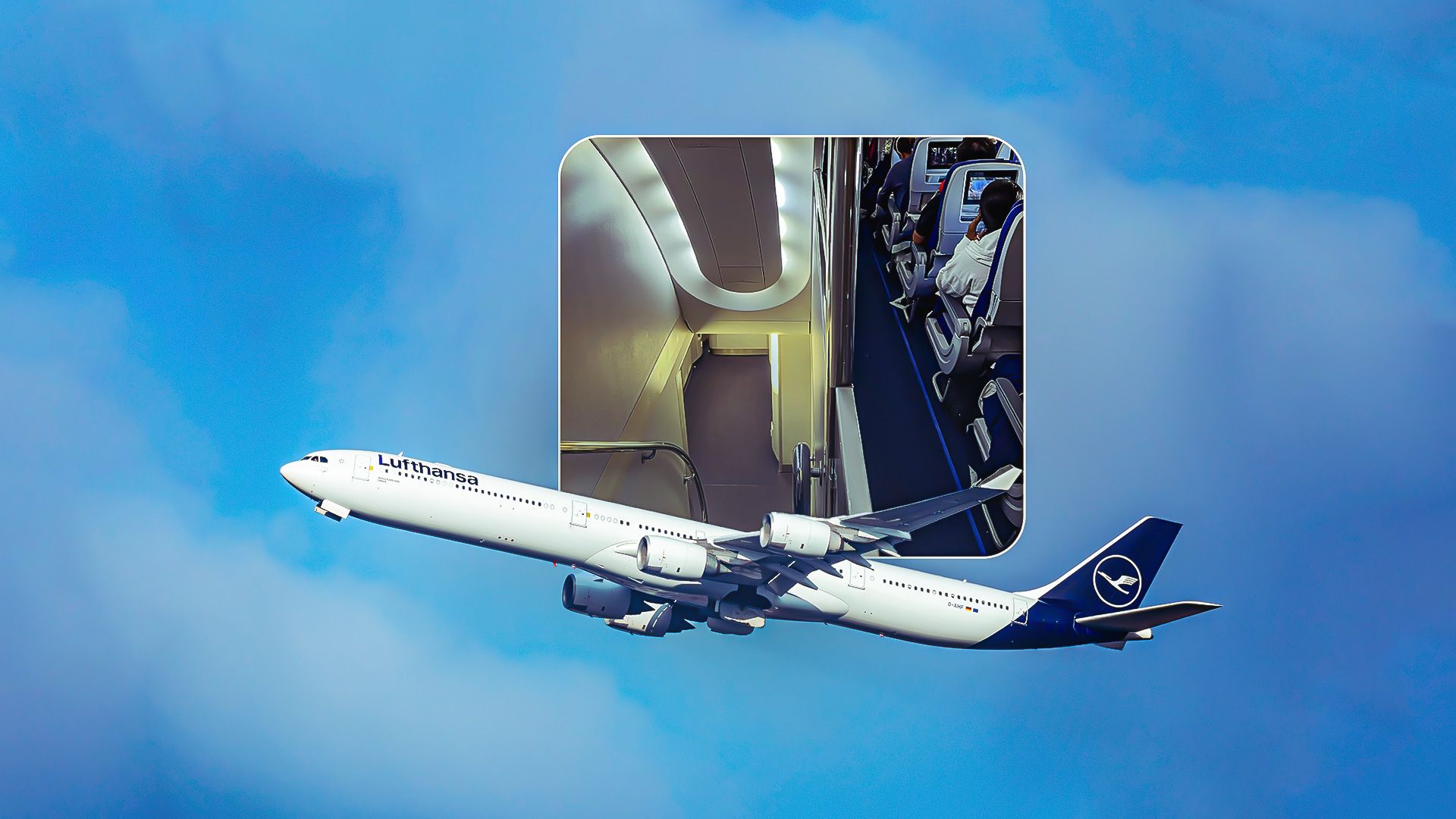
Lufthansa’s Airbus A340-600 model features a unique design element: lavatories located in the cargo hold. This unconventional choice has piqued the curiosity of aviation enthusiasts and travelers alike, prompting questions about the rationale behind such a layout. The decision reflects a combination of long-haul aircraft design considerations, cabin optimization, and specific airline innovations.
The A340-600 is renowned for its long-range capabilities, allowing airlines to serve intercontinental routes efficiently. With a typical passenger capacity of approximately 260 to 300, the aircraft prioritizes passenger comfort and operational efficiency. One of the challenges in long-haul flights is managing the space dedicated to essential facilities such as restrooms. By positioning lavatories in the cargo area, Lufthansa has maximized the available space on the main passenger deck.
Understanding the Design Choices
The design choice to place restrooms in the cargo hold is not strictly unique to Lufthansa, but the airline has become notable for its implementation. Passengers on the A340-600 often share videos and images of the staircase leading down to these restrooms, which adds to the aircraft’s intrigue. This setup allows for a more spacious cabin layout, which can enhance the overall passenger experience.
The decision also reflects an innovative approach to optimizing cabin space. In traditional aircraft designs, restrooms occupy valuable passenger area, which can reduce seating capacity. By relocating these facilities, airlines like Lufthansa can offer more seating without compromising passenger comfort. This is particularly important for long-haul flights where comfort and amenities significantly impact passenger satisfaction.
Operational Efficiency and Passenger Experience
The operational benefits of placing lavatories in the cargo hold extend beyond just space optimization. With a dedicated area for restrooms, airlines can streamline maintenance and cleaning processes. This can lead to faster turnaround times at airports, enhancing overall operational efficiency.
Moreover, passengers have generally responded positively to the experience of accessing restrooms via the staircase. While some may find the idea unconventional, others appreciate the novelty and the opportunity to stretch their legs during long flights. The experience has become a talking point among travelers, adding to the allure of flying on the A340-600.
In conclusion, Lufthansa’s decision to include restrooms in the cargo hold of its Airbus A340-600 is a reflection of innovative aircraft design and operational strategy. This unique feature not only maximizes cabin space but also enhances the long-haul flying experience for passengers. As airlines continue to evolve their strategies for cabin design and passenger comfort, such innovations will likely remain a point of interest for aviation enthusiasts and travelers alike.