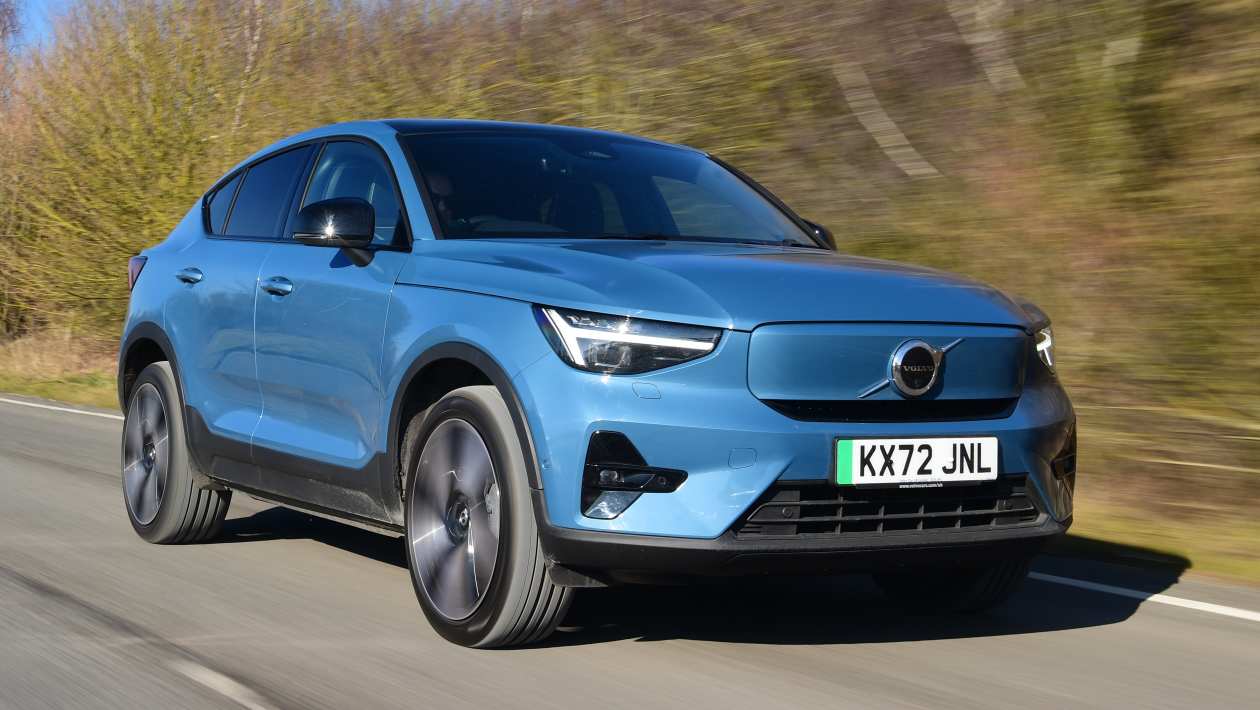
In a significant policy shift, the UK government is set to introduce new vehicle charges that could severely impact millions of drivers. Starting in April 2028, a £0.03-per-mile charge for electric vehicles (EVs) will roll out, alongside potential increases in Vehicle Excise Duty (VED) and fuel duties. These changes have raised concerns about the financial burden on motorists, particularly in rural areas.
Data from The Electric Car Scheme reveals stark disparities in the projected costs of the new pay-per-mile charge. Drivers in rural regions could face an average annual fee of approximately £156.51, a substantial increase compared to the £76.02 for those in urban areas with better access to public transport. In London, the anticipated cost is notably lower at around £33.09 per year, highlighting the inequity in the proposed system.
Impact on Regional Drivers
The figures reveal a troubling trend for drivers in the North East and North West, areas historically aligned with the Labour party. Motorists in these regions will pay more, with average charges of £82.20 and £83.79 respectively. Meanwhile, residents in the South West can expect costs exceeding £110 annually, while those in the East Midlands and East of England will pay more than £104. This creates a significant financial challenge, particularly for individuals who rely on their vehicles for essential travel.
Thom Groot, CEO of The Electric Car Scheme, emphasized the implications for rural communities: “The data clearly shows that rural communities and regions outside London will bear the brunt of these costs due to longer necessary journeys and limited transport alternatives.” Approximately 11 million people in the UK live in rural areas, where public transport options may not be practical or available.
Concerns Over Policy Equity
The looming charges have sparked criticism regarding the government’s approach to transport policy. Critics argue that the pay-per-mile system unfairly penalizes drivers in areas with fewer alternatives to car travel. With rural households averaging around 5,767 miles per year compared to their urban counterparts at 3,625 miles, the financial strain could discourage essential travel for work and family visits.
The situation raises questions about the fairness of targeting EV drivers, who are making an effort to reduce their environmental impact. Many wonder why those who have switched to electric vehicles, which produce zero emissions on rural roads, should face the highest charges. The government’s strategy appears misaligned with the realities of rural life, where driving is often a necessity rather than a choice.
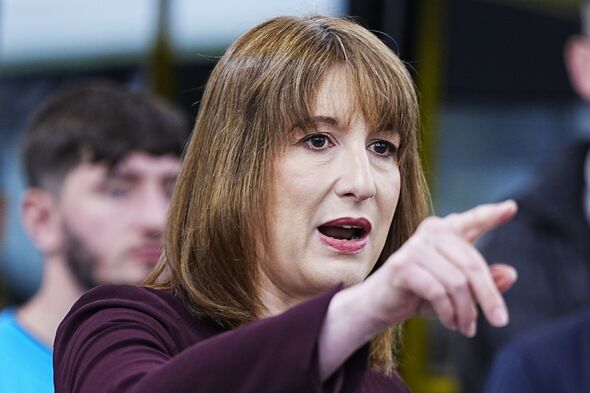
As the political landscape evolves, Labour’s proposed charges may alienate traditional supporters and raise broader concerns about the implications of such policies on everyday life for millions of UK drivers.