The landscape of video content creation is undergoing a significant transformation with the introduction of Kling O1, a unified multimodal engine designed to streamline the entire production process. This innovative tool integrates text-to-video capabilities, editing, scene transformation, and audio generation into a single workflow, making it a game-changer for creators and marketers alike.
The Functionality of Kling O1
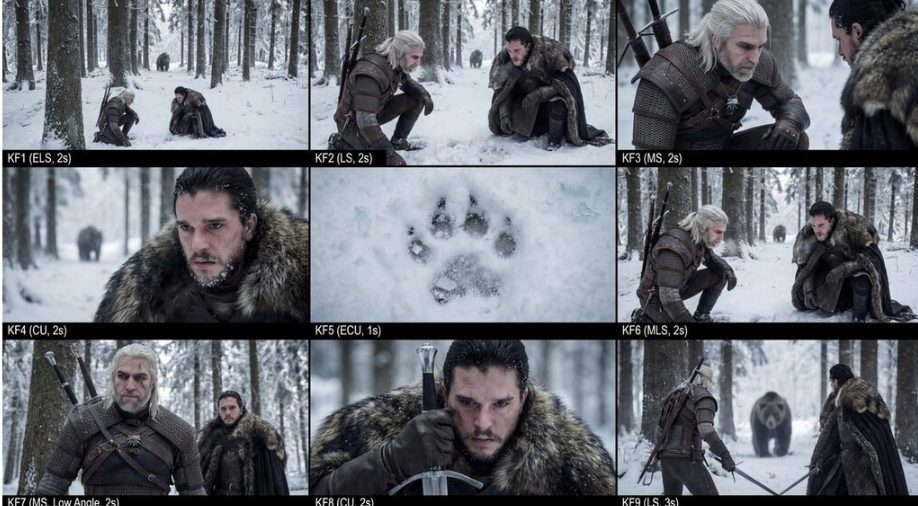
Kling O1 stands out in a crowded market of video generation models by offering features that extend beyond traditional capabilities. Unlike standard video tools that typically produce short clips, Kling O1 allows users to edit, extend, and re-render scenes using natural language. This means that creators can easily replace objects, modify environments, adjust lighting, and maintain character continuity across shots—all without needing to switch between different software.
The platform is designed to address the growing demand for quick and cost-effective video outputs. In contrast to many existing AI tools, which often require extensive post-production work to fix issues like inconsistent motion or mismatched audio, Kling O1 aims to eliminate these bottlenecks. Its approach includes native editing during the generation process, significantly reducing the cleanup workload and speeding up the overall iteration cycle.
Shaping the Future of Video Creation
The capabilities of Kling O1 reflect a broader shift in video production methodologies. Instead of following traditional video shooting practices, creators are now able to design scenes conceptually through prompts. This evolution signifies a move towards collapsing multi-stage production pipelines into a more efficient system that promotes rapid content iteration cycles and democratizes access to high-quality video tools.
While Sora remains a frontrunner in terms of cinematic realism, Kling O1 is more practical for those needing quick turnarounds and social media-ready results. Its design philosophy encourages users to view video creation as a creative process, akin to art direction, rather than a purely technical task.
Key features of Kling O1 include:
- Text-to-video generation with strong motion dynamics
- Natural-language editing for outfit and environment changes
- Smooth temporal continuity for scene extensions
- Object removal and transformation without manual masking
- Integrated speech, ambient sound, and lip-sync generation
- Consistency of character identity across multiple clips
As AI technology continues to evolve, Kling O1 is well-positioned to play a pivotal role in the future of AI-powered content creation. Its integration of editing, direction, and generation into a single intelligent system not only accelerates the production process but also makes high-quality video content more accessible to a wider audience.
For creators, digital marketers, and technology enthusiasts, the implications of Kling O1 are profound. This tool signals a new era in video creation, where the boundaries between generating, editing, and directing content blur, fostering a real-time creative environment. As this technology develops, it will undoubtedly reshape how video content is produced and consumed in the digital age.