Ireland’s economic landscape is increasingly intertwined with the global competition between pharmaceutical giants, particularly in the weight loss drug market. Recent developments involving Novo Nordisk and Eli Lilly have sent ripples through financial markets, highlighting the impact of this rivalry on the Irish economy.
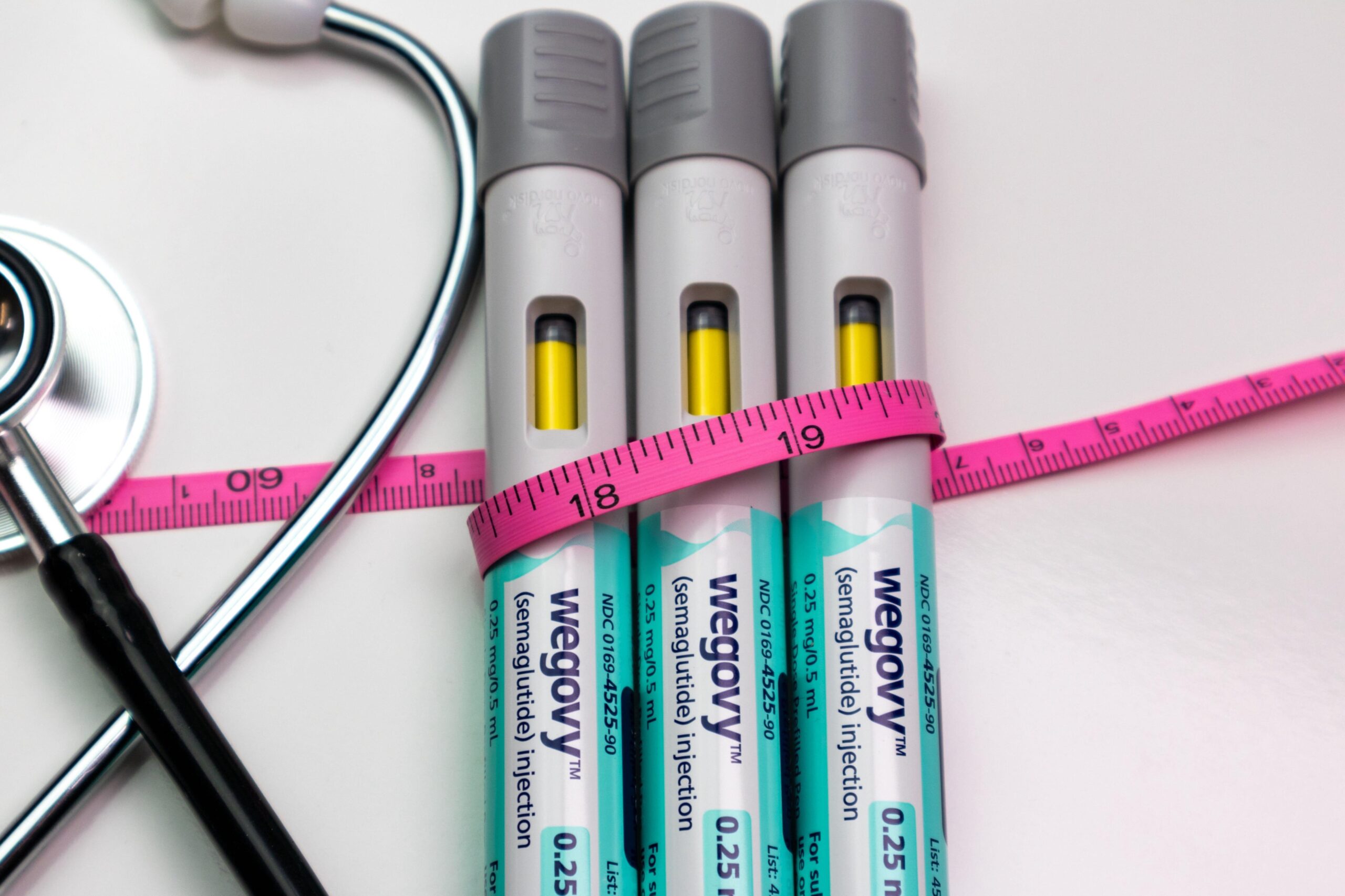
Novo Nordisk, the Danish leader behind the Ozempic and Wegovy weight loss treatments, recently concluded a trial aimed at demonstrating the superiority of its next-generation drug over Eli Lilly’s Mounjaro and Zepbound. The trial, which spanned 84 weeks and involved over 800 participants, intended to prove that Novo’s offering would outperform its American competitor. However, the results released last month revealed that Eli Lilly’s Mounjaro had, in fact, outperformed Novo’s drug. This unexpected outcome affected Novo’s stock market value significantly, with analysts noting that the company had “shot itself in the foot.”
The ramifications of this trial extend beyond corporate balance sheets. Ireland, home to key manufacturing plants for both pharmaceutical companies, stands to gain or lose economically based on the success of these weight loss drugs. The Irish economy is not only bolstered by tech companies like Apple and Microsoft but is also significantly supported by the pharmaceutical sector. Research indicates that many towns across the Republic host pharmaceutical facilities that produce essential treatments, providing numerous jobs and contributing to local prosperity.
To illustrate, AbbVie employs 2,900 people in Ireland, with facilities in Westport, Sligo, and Cork. Similarly, Pfizer, which gained prominence during the Covid-19 pandemic, has a workforce of around 5,000 across various sites, including Grange Castle in west Dublin.
The economic significance of the pharmaceutical sector is further underscored by the value of exports. Last year, medical and pharmaceutical products exported from Ireland amounted to €138 billion, representing a substantial portion of the total €260 billion in goods exported. This figure dwarfs the €16 billion in meat and dairy exports and the €2 billion in beverage exports, including well-known brands like Guinness and Baileys.
In light of these figures, the competition between Novo Nordisk and Eli Lilly has become crucial for Ireland’s economic health. Eli Lilly’s recent annual report indicates a commitment of nearly $10 billion to expand its operations in the United States, while also noting an investment of $1.8 billion in its Irish facilities. These investments have since surged to $4.3 billion, driven by the growing demand for diabetes and obesity medications.
The implications of Eli Lilly’s success are clear. The company’s significant tax payments to the Irish government, totaling €6.6 billion in recent years, place it among the top contributors to the Republic’s corporate tax revenue, alongside tech titans like Apple and Microsoft. According to the most recent data from the Central Statistics Office, Eli Lilly’s tax contributions have surpassed those of other major players, marking a notable shift in the landscape.
While Novo Nordisk has also pledged to invest in its Irish operations, its recent setbacks, including job cuts announced last year, have raised concerns. Nonetheless, the company confirmed its commitment to Ireland with a €432 million investment aimed at expanding its plant in Monksland, Athlone, to produce Wegovy in pill form for international markets. This expansion is part of Novo’s broader €7 billion global capital expenditure plan.
The competition for market dominance in weight loss drugs, particularly those like Tirzepatide, is expected to intensify. Eli Lilly’s ongoing investments reflect its strategy to enhance manufacturing capabilities across various locations, including Ireland, as it looks to capitalize on the booming global market for diabetes and obesity treatments.
The Irish government is closely monitoring this rivalry, hoping that both Novo Nordisk and Eli Lilly continue to thrive, thus securing jobs and enhancing prosperity across the nation. The outcome of this competition could have lasting implications not only for the companies involved but also for the broader economy of Ireland, which has increasingly staked its future on the success of the pharmaceutical industry.