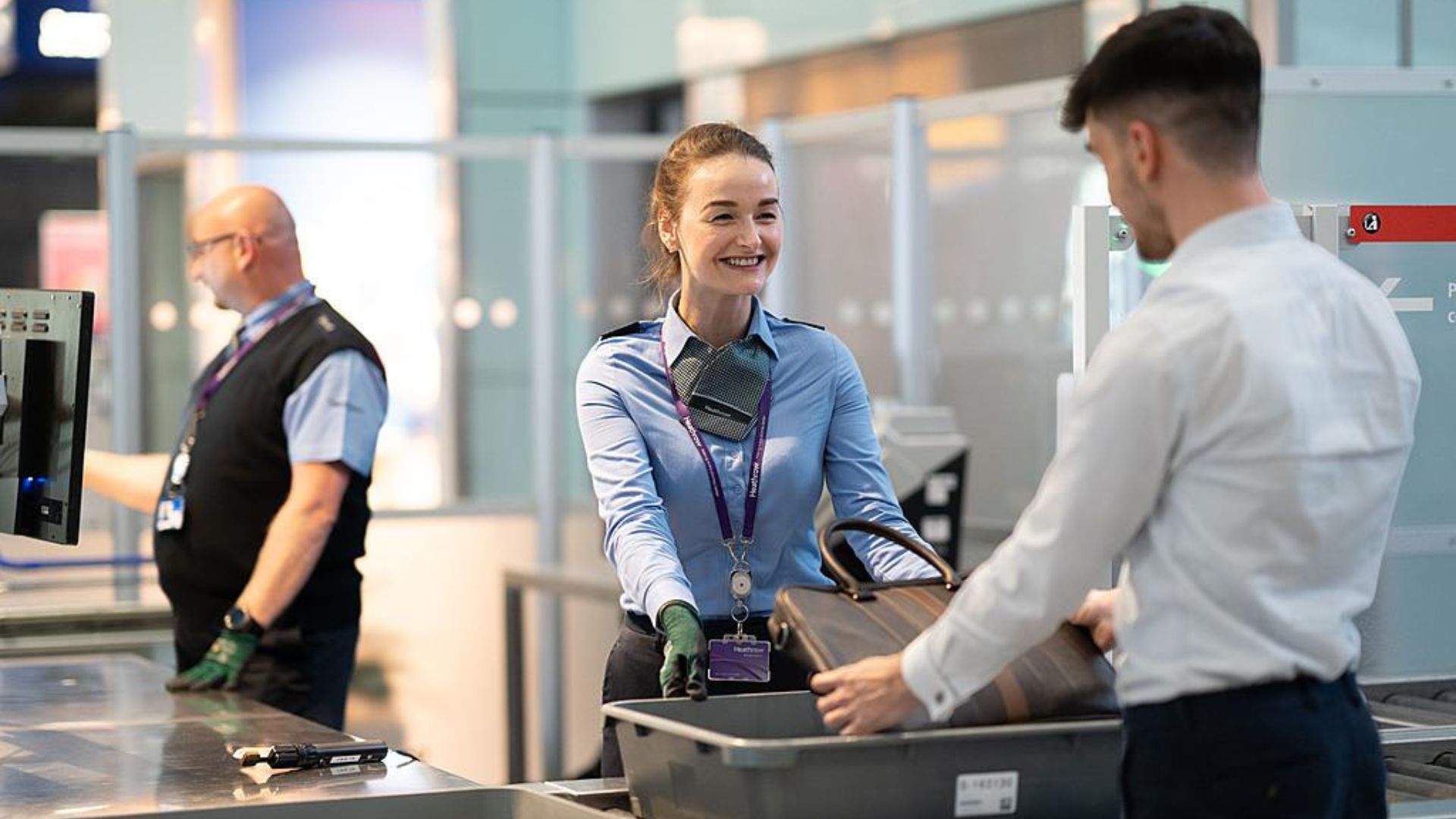
London’s Heathrow Airport has ushered in a major transformation of its passenger screening process, marking a significant milestone in airport operations. The installation of next-generation CT security scanners across all terminals is now complete, allowing travelers to keep liquids and large electronics in their hand luggage during security checks. This upgrade, which officially became operational on January 23, 2026, represents an investment of £1 billion (approximately $1.36 billion) aimed at enhancing passenger experience and reducing congestion.
The new technology is expected to modernize one of the most time-consuming aspects of air travel. For nearly two decades, passengers have been required to limit liquids to containers of no more than 100 ml and to remove laptops from their bags during screening—a protocol initiated in response to security threats in the mid-2000s. While these measures enhanced security, they often led to delays and bottlenecks at busy airports.
Improving Passenger Flow and Reducing Waste
The advanced CT scanners produce detailed three-dimensional images of cabin baggage, enabling security personnel to identify potential threats without requiring passengers to unpack their items. As a result, travelers can pass through security checkpoints more swiftly, particularly during peak travel times. A significant reduction in the use of plastic bags is also anticipated, as passengers will no longer need to separate liquids into individual containers.
Heathrow Airport officials anticipate that this upgrade will drastically improve passenger flow, especially during the busy morning and evening hours. According to Thomas Woldbye, CEO of Heathrow, “Every Heathrow passenger can now leave their liquids and laptops in their bags at security as we become the largest airport in the world to roll out the latest security scanning technology.” He emphasized that this change will allow travelers to spend less time preparing for security and more time enjoying their journey.
This new system aligns with a broader trend in aviation towards smarter, data-driven security solutions that minimize manual intervention. Although similar systems are being adopted at other airports, many have yet to implement technology on this scale.
Future Prospects and Operational Resilience
Heathrow’s upgrade is part of a comprehensive strategy aimed at enhancing operational resilience and elevating passenger satisfaction. The introduction of CT technology directly addresses the challenges posed by existing screening protocols, which have become increasingly cumbersome as passenger numbers have risen. By automating threat detection and improving imaging capabilities, the airport is poised to increase efficiency and decrease wait times.
Recent performance data reveals that Heathrow has been making strides in terms of operational efficiency. In 2025, the airport was recognized as Europe’s most punctual hub, with over 97% of passengers clearing security in under five minutes. This upgrade is expected to further contribute to improved on-time performance and reduced congestion throughout the terminal infrastructure.
The decision to implement this technology follows extensive planning and regulatory approvals, with delays in execution attributed to the pandemic. The initiative is part of a long-term investment program designed to support future growth and enhance capacity while improving reliability.
Despite these advancements, standard restrictions on prohibited items remain unchanged. Passengers are advised to continue adhering to airline and airport guidelines when packing carry-on luggage.
Heathrow’s significant investment in security technology not only enhances the travel experience but also positions the airport as a benchmark for other major hubs considering similar upgrades in response to increasing travel demand. As the aviation industry continues to rebound, innovations like these will play a vital role in shaping more efficient and enjoyable travel experiences.