The decline in traffic from Google has prompted significant discussions among publishers regarding the future of search and content strategy. Recent insights suggest that while the effects of Google’s algorithm changes are notable, they are not as catastrophic as some have predicted. According to experts from major UK publishers, a strategic approach to content can still drive traffic effectively.
Carly Steven, the Director of SEO and Editorial E-commerce at the Daily Mail, noted that the introduction of AI Overviews has not drastically impacted search traffic as expected. While she acknowledged a drop in clickthrough rates when AI Overviews appear, she emphasized that their frequency has stabilized. “Across the keywords we track, AI Overview visibility has plateaued at around 12% of non-brand terms on mobile in the UK and 19% in the US,” she explained. Steven pointed out that most traffic at the Daily Mail derives from branded searches, which mitigates the overall impact on their traffic levels.
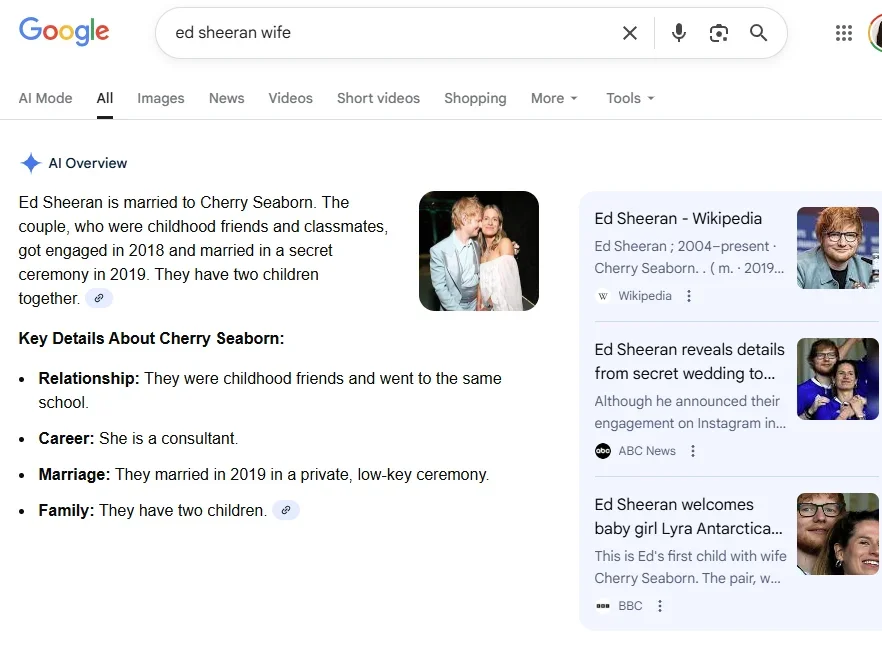
The analysis indicates that celebrity-related queries, such as “Ed Sheeran wife” or “Maya Jama boyfriend,” tend to trigger AI Overviews more frequently. Steven referred to these as “historically strong, evergreen opportunities for publishers.” Interestingly, she also mentioned that product-recall queries have shown similar trends.
A January 2025 report by Press Gazette highlighted new data from Chartbeat, published by the Reuters Institute for the Study of Journalism, revealing a global decline in Google search traffic to publishers by a third in the year leading to November 2025. The decline was more pronounced in the US, with a drop of 38%, compared to a 17% decrease in Europe.
Stuart Forrest, the Global SEO Director for Bauer Media Group, echoed similar sentiments regarding the uneven impact of AI Overviews. Data from Similarweb showed organic traffic from Google to the top 40,000 websites in the US decreased by 2.5% in 2025, with the newspaper category facing an 11% decline year-over-year. Forrest acknowledged that AI Overviews can reduce clickthrough rates by approximately 35% but noted they only appear in about 30% of searches.
Forrest pointed out that the decline in traffic is particularly evident in service journalism, where factual information is readily available. He cited the example of car specifications data, which has been adversely affected due to its straightforward nature. “We publish specifications data across tens of thousands of different makes and models… and that data is not proprietary,” he said. “If you’re coming to the web to answer that question, that’s where AI Overviews excel.”
Despite experiencing a decline, Bauer has also seen growth in alternative traffic sources, such as Google Discover and social media platforms. Forrest emphasized the importance of content packaging, stating, “It’s essential to think about how content is presented to users to win their clicks.”
Harry Clarkson-Bennett, the SEO Director at The Telegraph, described their Google traffic as being in a state of “managed decline.” He noted that while AI Overviews have increased in frequency for popular keywords, their overall impact has been limited, particularly in the news sector. Clarkson-Bennett believes that subscription-based publishers may be less affected because their audiences often seek in-depth content rather than quick summaries.
Chris Dicker, CEO of Candr Media Group, expressed concerns regarding the long-term implications of AI Overviews on publishers. He remarked that opinion-based content seems less affected, while evergreen articles are increasingly at risk. Dicker described the rise of zero-click searches as a growing challenge for publishers, stating that AI Overviews represent a “further deterioration” in the relationship between Google and content creators.
The landscape of online content is undeniably shifting. In light of these developments, many publishers expect to reduce their focus on traditional Google search strategies by 2026. This sentiment is reflected in a survey conducted by the Reuters Institute, which indicated a net score of -25 among publishers regarding their future investment in Google search.
As the industry grapples with these changes, experts like Barry Adams caution against complacency. In a recent LinkedIn post, he argued that reducing effort in search could lead to a downward spiral in traffic. He compared the current situation to a marathon, emphasizing the need for publishers to remain agile and responsive to the evolving digital landscape.
In conclusion, while Google’s search traffic remains a significant concern for many publishers, experts suggest that with the right strategies in place, it is possible to navigate these challenges. Emphasizing quality content and understanding user intent will be crucial as the industry adapts to a fragmented search environment.