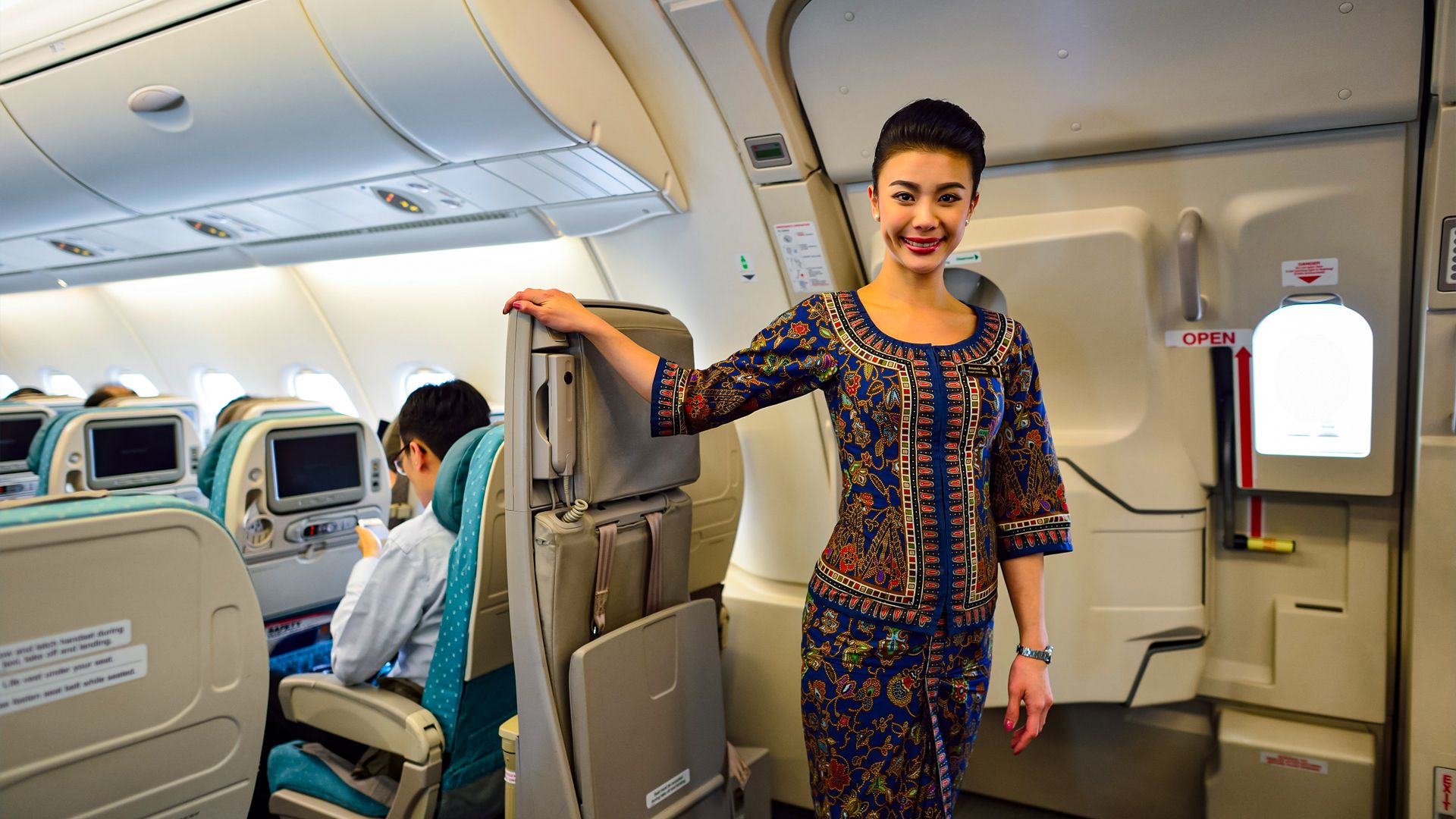
Ultra-long-haul flights have transformed the landscape of air travel, with durations now exceeding 15 hours, and in some cases, reaching up to 19 hours. While passengers often seek strategies to cope with these lengthy journeys, cabin crew members face the unique challenge of maintaining alertness and providing service throughout the flight. Understanding how these professionals manage rest and sleep is essential for ensuring safety and operational efficiency in the airline industry.
Managing Fatigue on Extended Flights
The demands of ultra-long-haul operations require cabin crew to balance work with necessary rest periods. According to research conducted by the International Air Transport Association (IATA), effective fatigue management is crucial for flight safety and the overall passenger experience. Cabin crew typically work in shifts, with designated rest areas allowing them to recuperate during flights.
Crew members often rotate breaks, allowing for a structured approach to managing fatigue. For example, during a flight from London to Sydney, which can last approximately 19 hours, the crew will alternate between active service and designated rest periods. This rotation is designed to ensure that at least a portion of the crew remains alert and ready to respond to any emergencies, while others take the opportunity to rest.
Rest Areas and Sleep Strategies
Airlines have recognized the importance of providing suitable rest environments for their crew. Many modern aircraft are equipped with dedicated crew rest areas, often featuring bunk beds and soundproofing to facilitate sleep. For instance, the Boeing 787 Dreamliner includes a designated crew rest compartment, which is essential for flights that exceed 12 hours.
To maximize the effectiveness of their rest periods, cabin crew members employ various sleep strategies. Techniques such as blocking out light, using sleep masks, and adhering to personal sleep schedules help them achieve restorative sleep. According to a report by the Flight Safety Foundation, these practices can significantly reduce fatigue and enhance performance during flights.
The airline industry continues to evolve in response to the growing demand for ultra-long-haul travel. As air travel becomes increasingly globalized, understanding the unique needs of cabin crew is vital. Airlines strive to implement best practices in fatigue management to support their crew while ensuring passengers receive high-quality service throughout their journeys.
Ultimately, the collaboration between crew members, airline management, and safety organizations is essential for maintaining high operational standards. As air travel continues to push the boundaries of distance and duration, the effective management of cabin crew rest and sleep remains a critical component of successful ultra-long-haul operations.