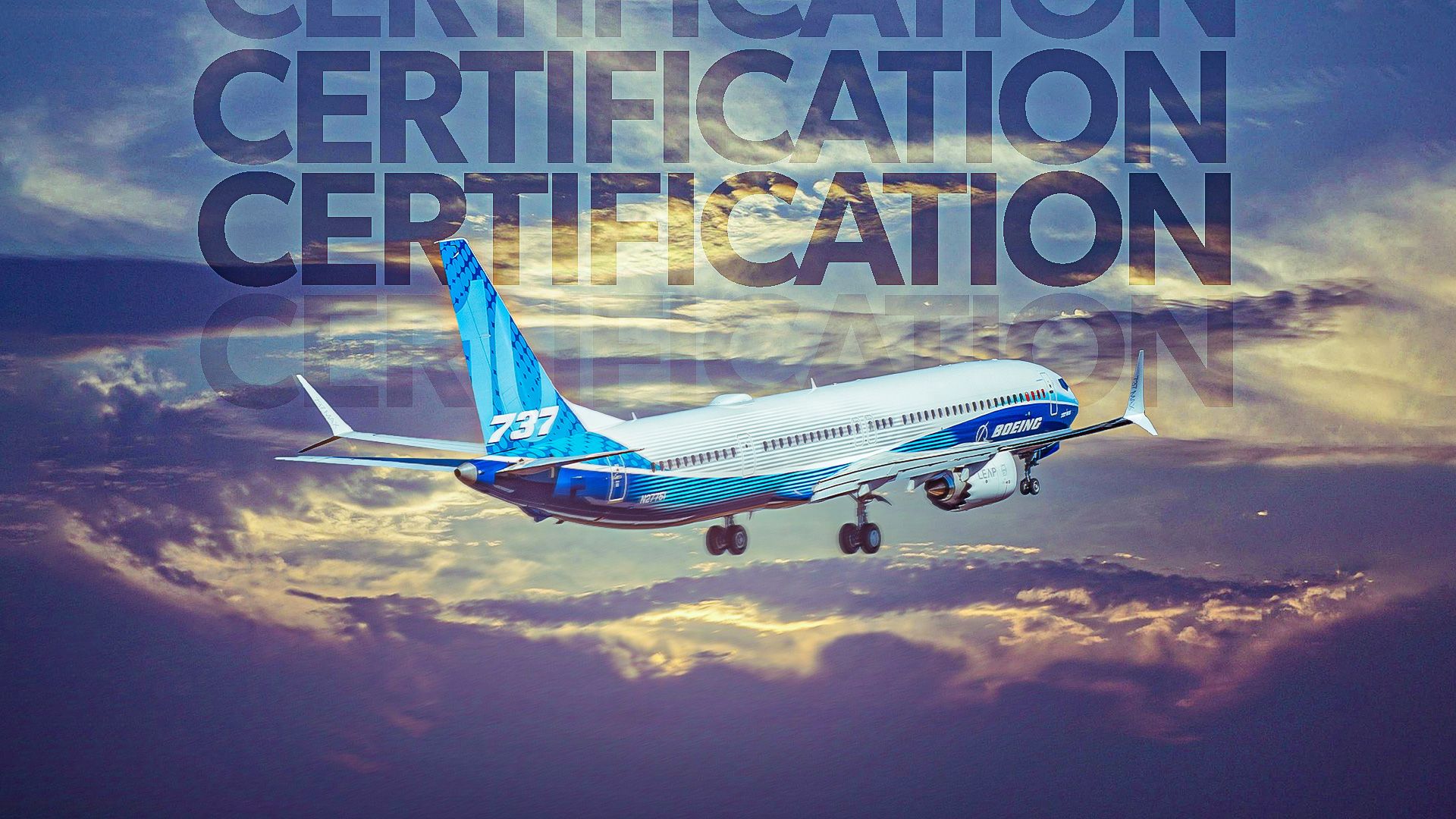
The certification process for the Boeing 737 MAX 10 has been delayed again, raising concerns for airlines and stakeholders invested in this high-capacity aircraft. Originally launched in 2017, the MAX 10 was anticipated to follow a straightforward certification path, building on the existing MAX 9. However, issues have pushed its projected entry into commercial service back repeatedly, leaving hundreds of orders in limbo.
As of now, the 737 MAX 10 remains uncertified nearly five years after the MAX 8 returned to service following a global grounding due to safety concerns. Recent developments include Boeing’s submission of a fix for the aircraft’s anti-ice engine system and the completion of the redesigned crew alerting system, crucial components in the certification journey.
Progress on Certification Requirements
Recently, the Federal Aviation Administration (FAA) announced it has begun its formal review of Boeing’s crew alerting system. This updated system is required across the entire MAX family as part of post-crash safety reforms initiated after the tragic crashes of Lion Air Flight 610 and Ethiopian Airlines Flight 302, which together claimed 346 lives.
Boeing’s proposed alerting system enhancement includes a synthetic angle-of-attack (AoA) system. This addition allows pilots to turn off stall warnings and overspeed alerts under specific circumstances. Although U.S. lawmakers waived a deadline for redesigning cockpit alerting systems, Boeing must still meet enhanced alerting features before certification can proceed. Once approved, the company will have a three-year window to retrofit existing 737 MAX aircraft.
The integration of a computed third AoA reference is also a significant advancement. It aims to mitigate the risk of incorrect sensor data, which previously contributed to the crashes. The updated system is designed to provide pilots with more reliable information, ensuring they are better informed in critical situations.
Challenges Surrounding the Anti-Ice System
Another pivotal milestone in the 737 MAX 10’s certification journey is the completion of the anti-ice engine system fix. This system is essential for preventing ice buildup in the engines during flight. Previous testing revealed that prolonged use of the anti-ice system could potentially damage the engine casing, a concern that necessitated additional engineering work.
Boeing has confirmed that the redesign is complete and is now collaborating with the FAA to secure approval for the certification plan. The existing MAX 8 and MAX 9 models will operate under new limitations until they can be retrofitted with the updated anti-ice system, marking a significant step forward for the certification of the MAX 10 and the MAX 7.
The timeline for final certification remains uncertain. Initially expected to be completed by the end of 2025, industry experts now predict delays could extend well into 2026 and possibly even 2027. The ongoing review process for the crew alerting system could introduce further challenges, as additional testing or refinements may be necessary.
Boeing currently operates two 737 MAX 10 test aircraft, which are undertaking routine flight tests. The latest test flight occurred on December 16, 2025, using a MAX 10 registered as N27751.
Impact on Boeing’s Production Strategy
The delays in certification have direct implications for Boeing’s production plans. With no fixed certification date, the company faces uncertainty regarding the production of the 737 MAX 10. During a Q2 2025 earnings call, Kelly Ortberg, CEO of Boeing, confirmed that MAX 10 production will be concentrated at the Everett, Washington facility, a notable shift from other 737 MAX models manufactured in Renton, Washington.
The MAX 10 will utilize the former 747 final assembly line at Everett, which signifies the first time a narrowbody aircraft will be assembled at this site. Despite ongoing certification challenges, Boeing has initiated limited production of the 737 MAX 10, with reports indicating that 16 aircraft, including two test models, have been produced. These planes are primarily intended for United Airlines, allowing Boeing to avoid additional delivery delays once certification is achieved.
Airline Demand for the 737 MAX 10
Despite the setbacks in certification, the 737 MAX 10 has garnered considerable interest from airlines looking for a high-capacity narrowbody aircraft. With a typical seating capacity of 188 to 204 passengers in a two-class configuration, and a maximum of 230 passengers in a single-class layout, the MAX 10 competes directly with the Airbus A321neo on medium-haul routes.
Major customers for the MAX 10 include Delta Airlines, United Airlines, and American Airlines, each with orders exceeding 100 aircraft. For these airlines, the MAX 10 is expected to replace older models like the Boeing 757 on high-density routes, particularly for transcontinental services. United Airlines had planned to introduce a lie-flat first-class option on its MAX 10s, enhancing its competitive edge against widebody offerings.
Despite these plans, United Airlines has indicated that due to ongoing certification delays, it does not expect to receive its MAX 10 deliveries until at least 2028. In light of this, the airline has even requested Boeing to halt production of its ordered aircraft.
Other airlines, including ultra-low-cost carrier Ryanair, which has ordered 300 MAX 10s, are also eagerly anticipating delivery. Ryanair plans to configure its new aircraft for 228 seats, while Alaska Airlines has over 60 MAX 10s on order for capacity increases on select routes.
Looking Ahead: The MAX 7 Certification
While the focus remains on the MAX 10, the smaller MAX 7 has also experienced delays. However, optimism exists regarding its certification timeline, with Bob Jordan, CEO of Southwest Airlines, expressing confidence that the MAX 7 could be certified by August 2026. This aligns with Boeing’s forecast for certification in the first half of that year.
Southwest Airlines holds over 90% of the orders for the MAX 7, which is expected to play a crucial role in fleet renewal by replacing some of its older 737-700s. Successful certification of the MAX 7 could signal a positive outcome for the MAX 10, indicating that both Boeing and the FAA have made progress under new certification guidelines.
As the certification process continues, the aviation industry watches closely, hopeful for advancements that will finally clear the path for the 737 MAX 10.