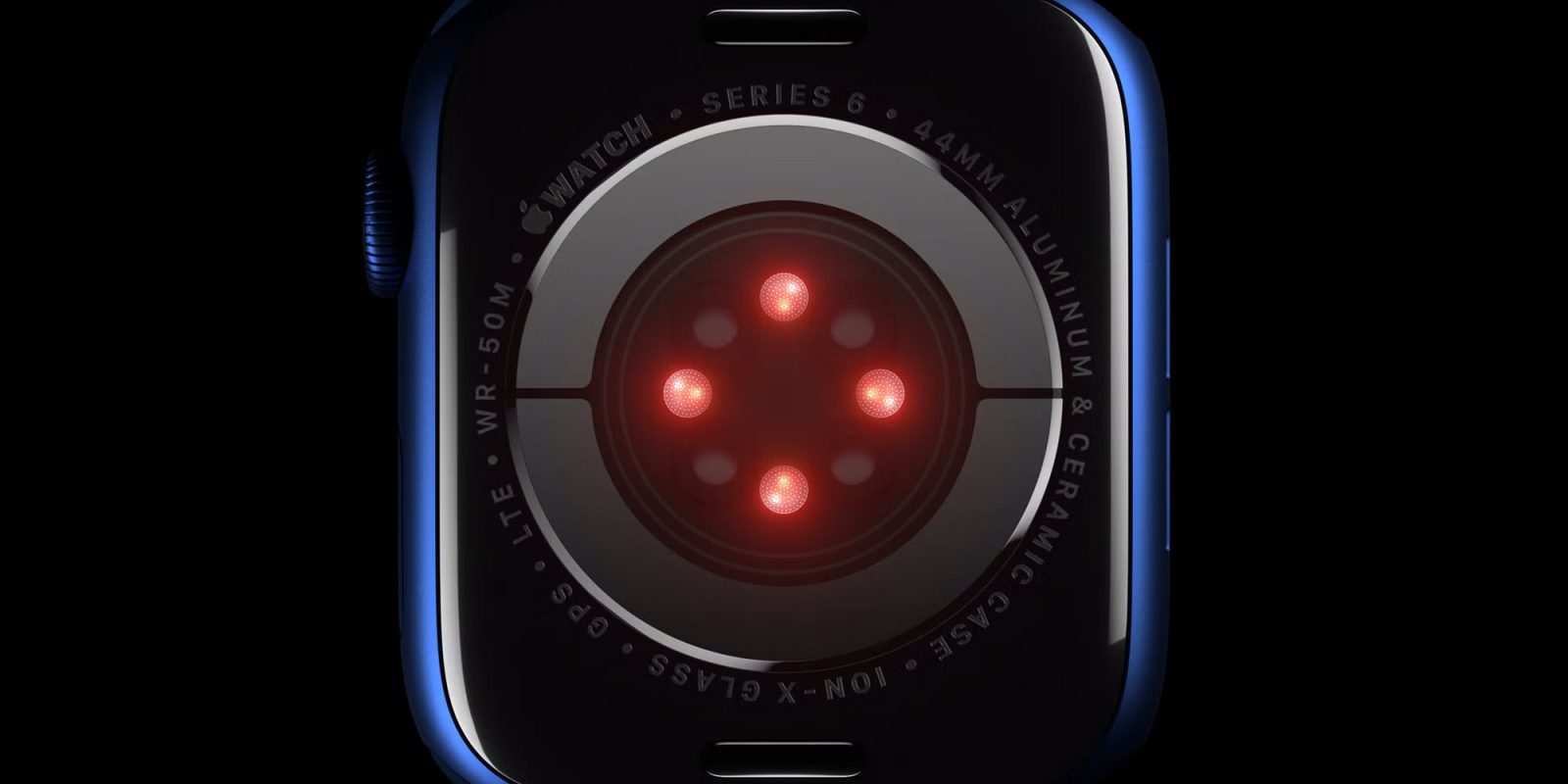
A recent study from Apple suggests that artificial intelligence (AI) could significantly enhance the ability to derive deeper cardiac health insights from the optical sensors in the Apple Watch. This research indicates promising advancements in how wearable technology can monitor cardiovascular health, potentially leading to improved patient outcomes.
Background on Heart Health Features
With the launch of watchOS 26, Apple introduced Hypertension notifications aimed at alerting users to potential health issues. While Apple acknowledges that this feature is not a substitute for medical-grade diagnostics, it anticipates that it could notify over 1 million individuals with undiagnosed hypertension within its first year. This functionality operates by analyzing data collected over a 30-day period rather than providing immediate measurements. As a result, the algorithms focus on identifying trends rather than delivering real-time cardiovascular data.
This context is vital as it sets the stage for the insights presented in the new research paper titled “Hybrid Modeling of Photoplethysmography for Non-Invasive Monitoring of Cardiovascular Parameters.” The study showcases how Apple is leveraging AI to extract more comprehensive data from the watch’s optical sensor.
Methodology and Findings
The study’s methodology revolves around a hybrid approach that combines hemodynamic simulations with clinical data to estimate cardiovascular biomarkers directly from photoplethysmography (PPG) signals. Apple researchers utilized a substantial dataset of both labeled simulated arterial pressure waveforms (APWs) and real-world simultaneous APW and PPG measurements.
By training a generative model, the researchers learned to map PPG data to corresponding APW signals. This innovative method allowed them to infer APW data from PPG measurements with significant precision. Subsequently, they inputted these interpreted APWs into a second model designed to infer cardiac biomarkers, such as stroke volume and cardiac output. This second model was trained using simulated APW data aligned with known cardiovascular values.
The researchers then applied their approach to a completely new dataset, which included APW and PPG signals from 128 patients undergoing non-cardiac surgery. Their findings indicated that the AI-assisted method effectively tracked trends in stroke volume and cardiac output, although it did not provide exact absolute values. Notably, this method outperformed traditional techniques, underscoring the potential of AI in extracting meaningful cardiac insights from wearable technology.
The researchers concluded, “While it is impossible to know whether Apple will ever incorporate these features into the Apple Watch, it is encouraging to see that the company’s researchers are looking for novel ways to extract even more meaningful and potentially life-saving data from sensors that are already in use.”
This study represents a significant stride towards integrating advanced technology with healthcare, with the potential to improve heart health monitoring for millions of users. The full study is available on arXiv, providing further details on the research conducted by Apple’s team.
As the landscape of wearable technology continues to evolve, this research highlights the importance of innovative approaches to health monitoring and the role of AI in enhancing the capabilities of existing devices. The implications for future health management are substantial, potentially paving the way for more sophisticated and accessible personal health insights.