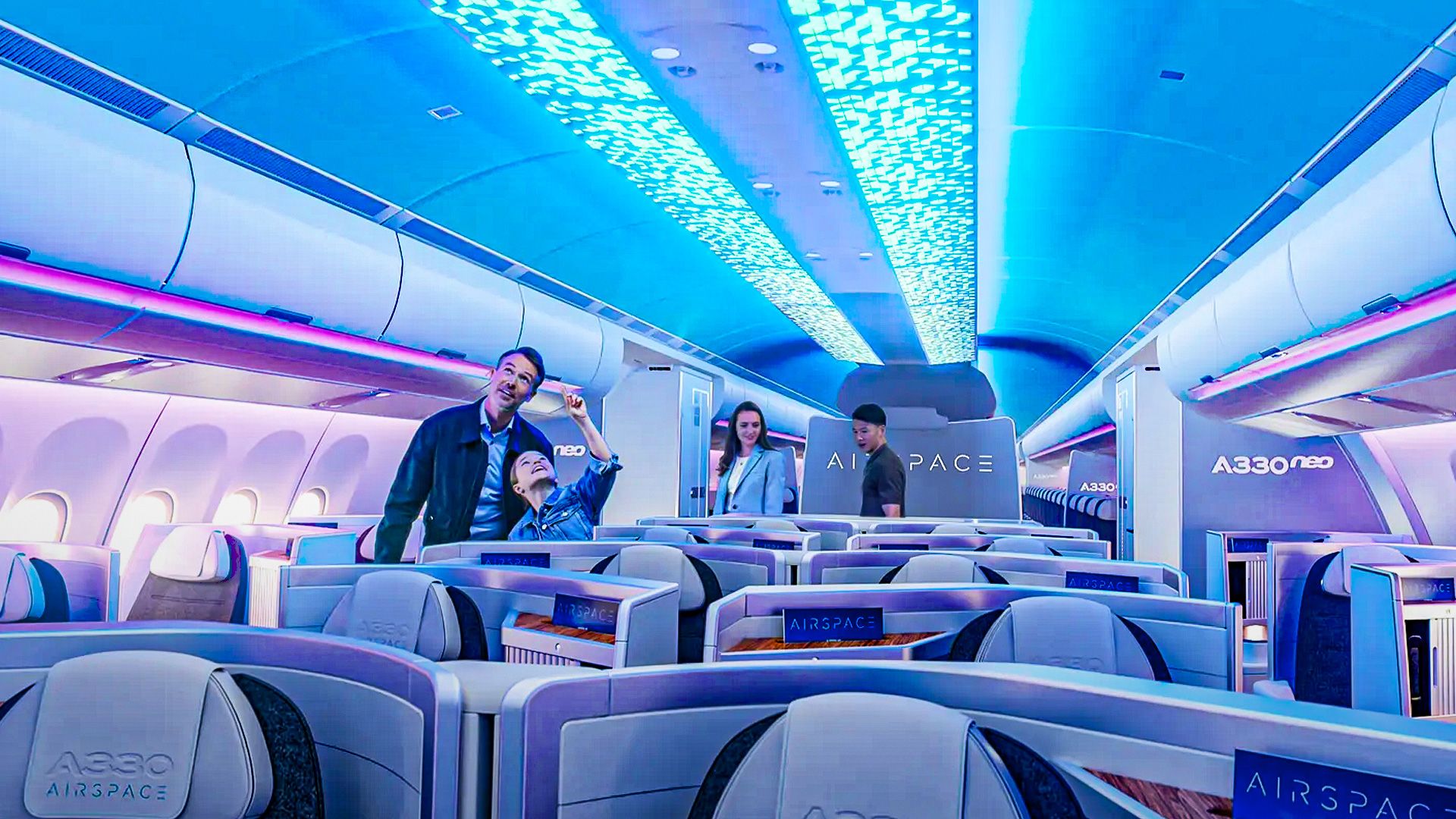
Airbus has unveiled its innovative Airspace cabin philosophy, significantly enhancing the passenger experience across its latest aircraft models, including the A220, A320neo, A330neo, and A350 families. This new approach prioritizes passenger comfort and well-being, moving beyond traditional design considerations focused solely on weight and seat density.
The Airspace cabin aims to create a relaxing and inspiring environment for travelers. By integrating elements that enhance the overall inflight experience, Airbus is reshaping how airlines and passengers interact with aircraft interiors. The design philosophy is rooted in a human-centric approach, emphasizing comfort alongside operational efficiency and branding for airlines.
Transforming Airline Operations
The award-winning Airspace cabin provides airlines with the tools to maximize both functionality and economics of their interiors. This flexibility allows carriers to tailor the cabin to their specific needs, offering a choice of seating classes, including economy, premium economy, business, and first class. This adaptability not only enhances passenger loyalty but also supports brand elevation.
Airbus has designed the cabin to facilitate easier maintenance, reducing ground time and operational costs. With features like 60% larger overhead bins, airlines can improve boarding and turnaround times. The modular design also permits quick adjustments to seating configurations, such as swapping economy class for premium seats, without requiring structural changes to the aircraft. This adaptability is particularly beneficial for models like the A321XLR, which can be used for longer, more profitable routes.
Key Features and Future Innovations
The Airspace cabin’s design includes a unified look across all Airbus aircraft, ensuring that passengers enjoy a consistent experience regardless of the aircraft type. Features such as similar lighting, color palettes, and cabin shapes create familiarity whether flying on short-haul or long-haul flights.
Looking ahead, Airbus has outlined its Airspace Cabin Vision for 2030 and beyond, focusing on personalization and technological advancements. Future cabins will integrate AI-driven management systems, customizable seating, and enhanced digital features to enrich the flying experience. Innovations such as pre-ordered meals and seamless connectivity will also be implemented.
Passenger well-being is a key focus of the Airspace cabin. It boasts enhanced acoustic treatments, LED mood lighting designed to alleviate jet lag, and improved airflow for a healthier cabin environment. The design incorporates ergonomic seating and spacious aisles, contributing to an overall relaxing atmosphere.
Airbus has made significant strides in redefining aircraft interiors, earning accolades such as the iF Product Design Award and the Red Dot Design Award for its Airspace cabin. These developments signify a shift towards more passenger-centric designs that prioritize comfort and operational efficiency.
In contrast, Boeing has also made improvements with its Sky Interior and newer models like the 787-9 Dreamliner, which feature advanced technology and enhanced passenger comfort. Boeing’s VP of Commercial Marketing, Darren Hulst, stated that while they do not currently have a branded cabin philosophy like Airspace, they are continuously adapting their designs to meet passenger expectations.
In summary, Airbus is pioneering a new era in aircraft design with its Airspace cabin philosophy. This approach not only enhances passenger experiences but also offers airlines the flexibility to adapt to evolving market demands. As the aviation industry continues to innovate, the focus on passenger comfort and operational efficiency will remain paramount.