In a significant move to enhance workplace safety and health, Montenegro has launched a series of educational workshops focused on contemporary workplace challenges, particularly the influence of artificial intelligence (AI). This initiative aligns with the Action Plan for 2025 and the Strategy for Improving Occupational Safety and Health 2022–2027. The workshops are a collaborative effort between the Ministry of Labour, Employment and Social Dialogue and the Trade Union of Montenegro (SSCG).
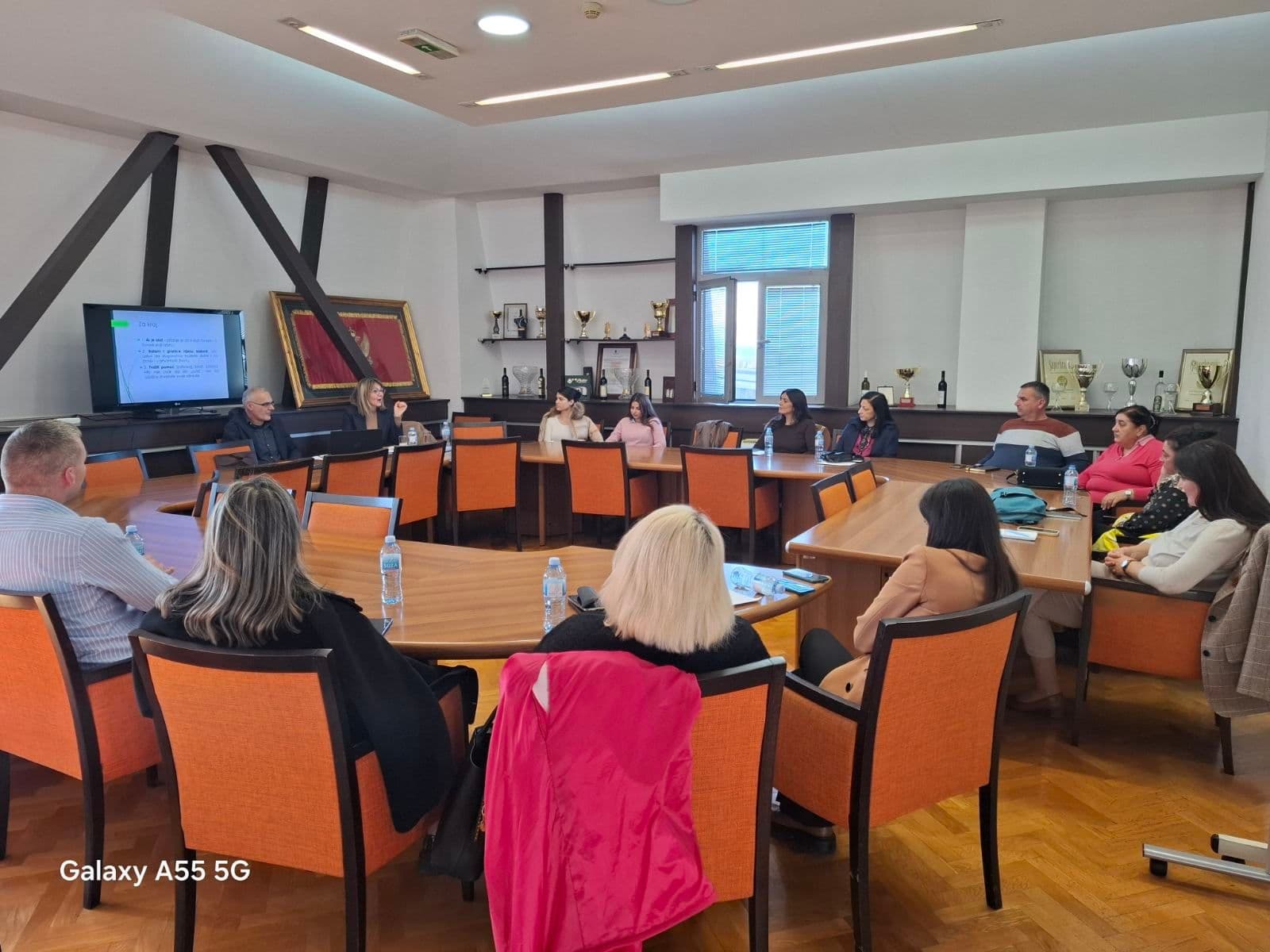
The first workshop, titled “Workplace Education – AI in the Context of Occupational Safety and Health and Work-Life Balance,” took place at the headquarters of Plantaze AD, a prominent company in the region. This session aimed to proactively engage employees with pressing topics related to safety and health at work. It fostered two-way communication to identify specific needs and perceptions regarding these critical areas.
During the workshop, particular attention was given to less visible aspects of workplace safety, with a strong emphasis on mental health, chronic stress, and burnout syndrome. The facilitators noted that these issues are becoming increasingly prevalent in modern work environments, particularly due to the constant use of digital tools and AI technologies. These advancements are gradually blurring the lines between professional and personal life, thereby heightening the risks of burnout and detrimental health outcomes.
“Social dialogue is a key mechanism for mitigating the negative effects of algorithmic management, protecting health and safety at work, and preventing discrimination,”
stated Vladimir Krsmanovic, the coordinator of activities for the SSCG. He underscored the importance of establishing clear criteria for the collection and use of personal data, which can help limit excessive employee monitoring and ensure the respect of privacy.
The discussion highlighted that mental health is not solely a private concern but crucial for maintaining a healthy organization and society. As emphasized during the workshop, without safeguarding individuals’ well-being, sustainable productivity and quality services cannot be achieved.
Renowned psychologist and HR consultant Danka Cetkovic presented on the topic “Artificial Intelligence at Work – Ally or Threat to Health and Work-Life Balance?” She pointed out both the potential benefits and the risks AI introduces into contemporary work settings.
As businesses increasingly adopt digital technologies and algorithmic management practices, Krsmanovic advocated for the integration of additional elements into collective bargaining agreements. This step is essential for addressing the growing application of these technologies in workplace processes.
The workshop series marks a proactive approach by Montenegro to tackle the evolving challenges posed by modern workplace dynamics, particularly in light of rapid technological advancements. By focusing on education and open dialogue, the initiative aims to foster a healthier work environment where employee well-being is prioritized.