Families of victims and the public are demanding transparent and reliable information regarding the mass shootings that occurred on January 1, 2025, in Cetinje, and in August 2022 in Medovina. The call for facts and a deeper understanding of the nature and motivations behind these crimes comes in the wake of a report by the Police Oversight Council, which convened to discuss the police response to the tragic events in Cetinje.
During its recent meeting, the Council reviewed the police actions surrounding the mass shooting that claimed the lives of 13 individuals. Members highlighted that many questions remain unanswered, underscoring the need for a comprehensive analysis to prevent future tragedies. “Without the disclosure of all available data, it is impossible to address and especially to prevent the recurrence of this problem,” stated the Council.
The Council noted the significance of the proposed “Markov and Mašanov Law,” which represents a social initiative stemming from the victims themselves. They recommended establishing direct communication between officials from the Ministry of Interior and representatives of the victims to explore all possibilities and define further actions. This could potentially include integrating the proposed law into the forthcoming arms legislation.
Mass shootings in Cetinje, both in 2022 and 2025, warrant a thorough and methodical examination. This analysis should extend beyond police actions to include evaluations of all public services and institutions involved, such as the healthcare system, prosecution, and judiciary. The oversight body urged the government of Montenegro and Prime Minister Milojko Spajić to form a professional team to undertake this analysis, ensuring that the findings are publicly released to foster transparency and contribute to building a stronger security culture in the country.
In addition, the Council expressed support for the families of the victims from Cetinje, who have called for an expert team comprised of internationally recognized specialists. This team would conduct an independent, objective investigation into both mass shootings in collaboration with state institutions.
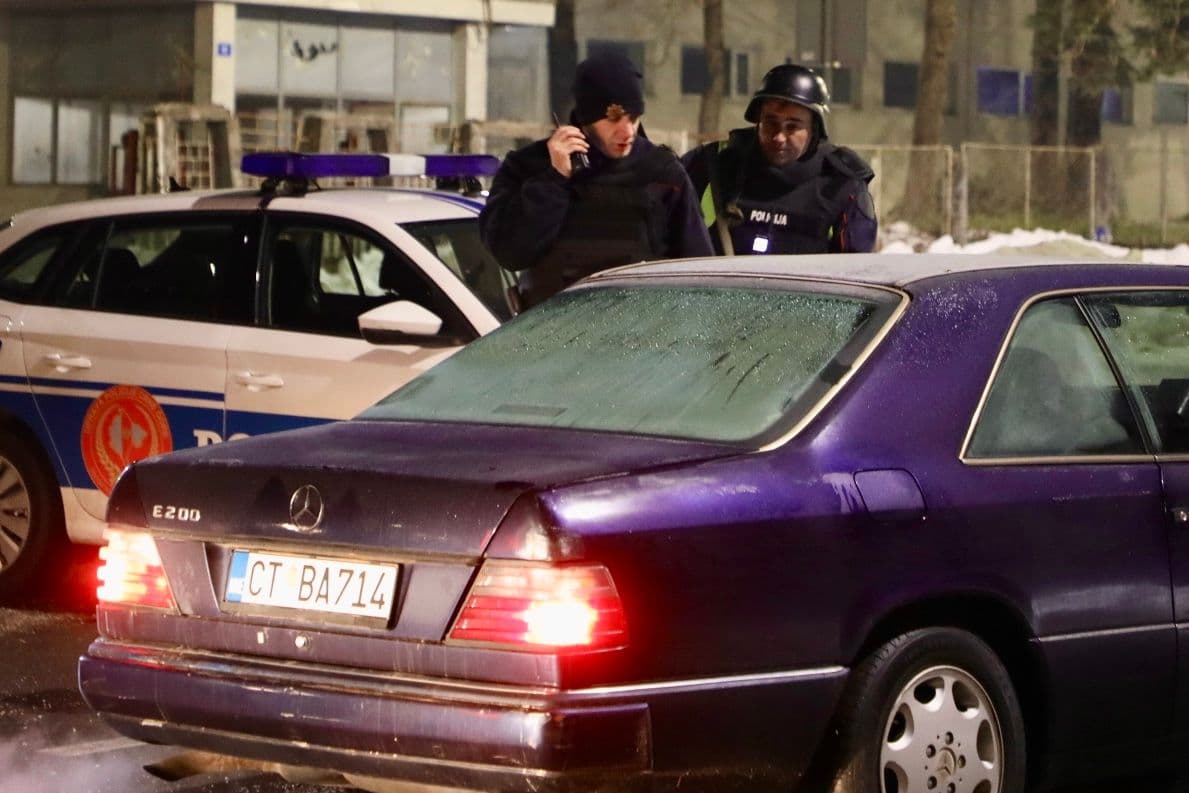
The recommendations also addressed the police response during the events on January 1, particularly criticizing the initial deployment of resources and personnel for the city lockdown. The Council pointed out that only 11 police officers were present at the time of the shooting, a distressing number given the previous instances of violence in the area, including three murders tied to organized crime. The Prime Minister had previously disclosed that 120 members of rival criminal organizations were active in Cetinje.
The Council concluded that there was an insufficient number of police officers available at the onset of the mass shooting, limiting an adequate initial response. Despite improvements in police organization following the 2022 mass shooting, gaps remained during the critical time between shifts that impacted readiness.
Additionally, the Council emphasized the importance of addressing inquiries raised by non-governmental organizations (NGOs) regarding police actions. They noted that understanding the application of police authority is crucial for maintaining public trust and the credibility of the police administration.
Questions posed by the NGOs included who notified the police about the January 1 shootings, the total number of officers present, and the measures taken to improve security in Cetinje following the 2022 incident. They also inquired why the police took over five hours to apprehend the shooter and how the perpetrator obtained illegal weapons.
The police administration reported that the first call to the Cetinje police station was made at 17:26, informing them of a shooting at the “Podmornica” café. A subsequent call at 17:27 indicated a “massacre” had occurred, but miscommunication led officers to respond to a different location.
Analysis of the police response indicated that the shooter had already relocated to a different area by the time the initial reports were made. The police noted that by the time of the first call, the shooter was already engaged in further violence, resulting in additional casualties.
In total, the police received 15 calls related to the incident between the first notification at 17:26 and the last at 17:58. It was revealed that over 108 calls had been logged regarding various aspects of the crime and the shooter’s movements between 17:26 and 23:15.
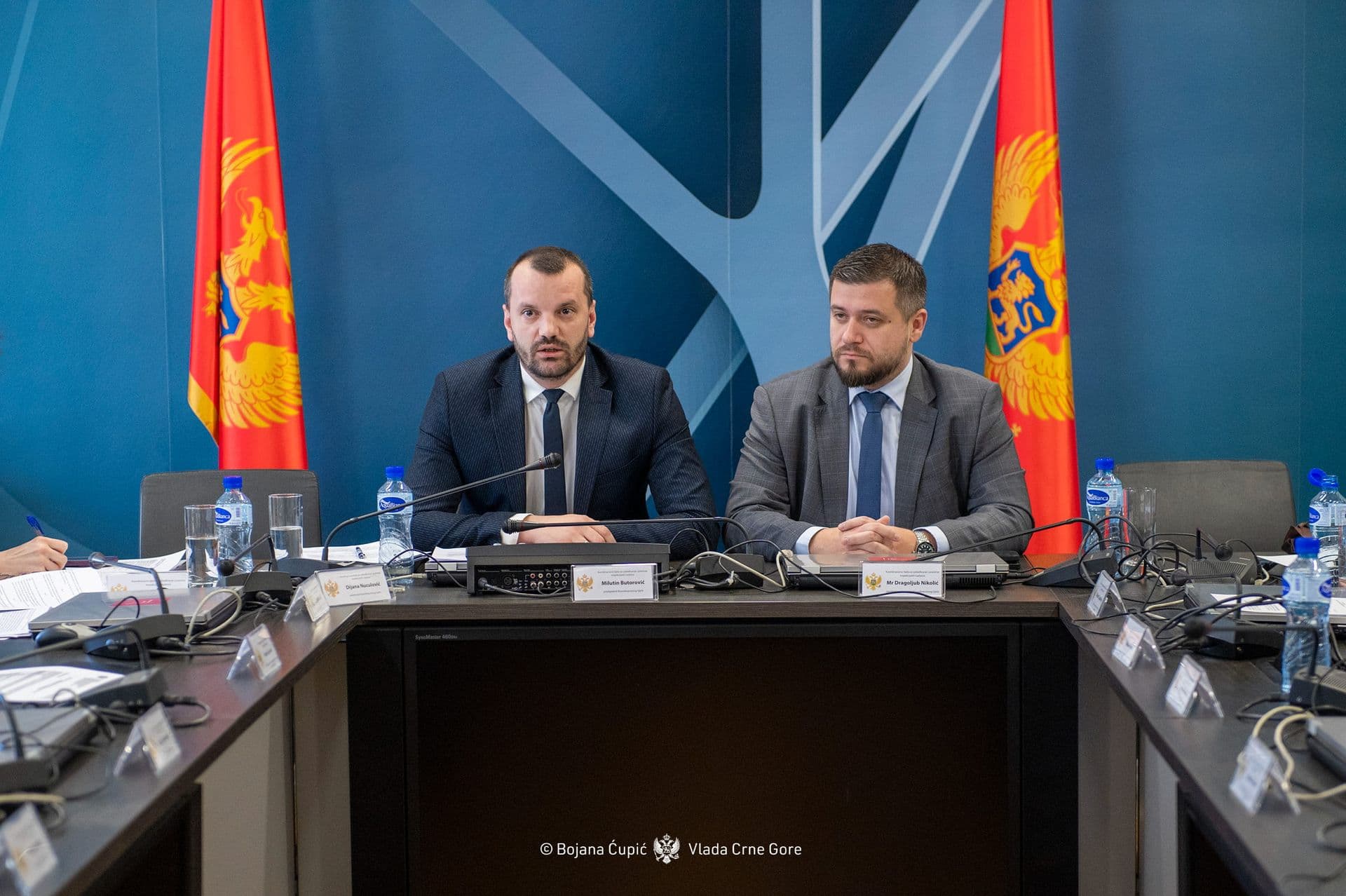
The Police Oversight Council, comprising its president Zoran Čelebić and other members, has committed to ensuring that the findings of the analysis are made public, with the aim of enhancing accountability and reinforcing a robust security framework in Montenegro.