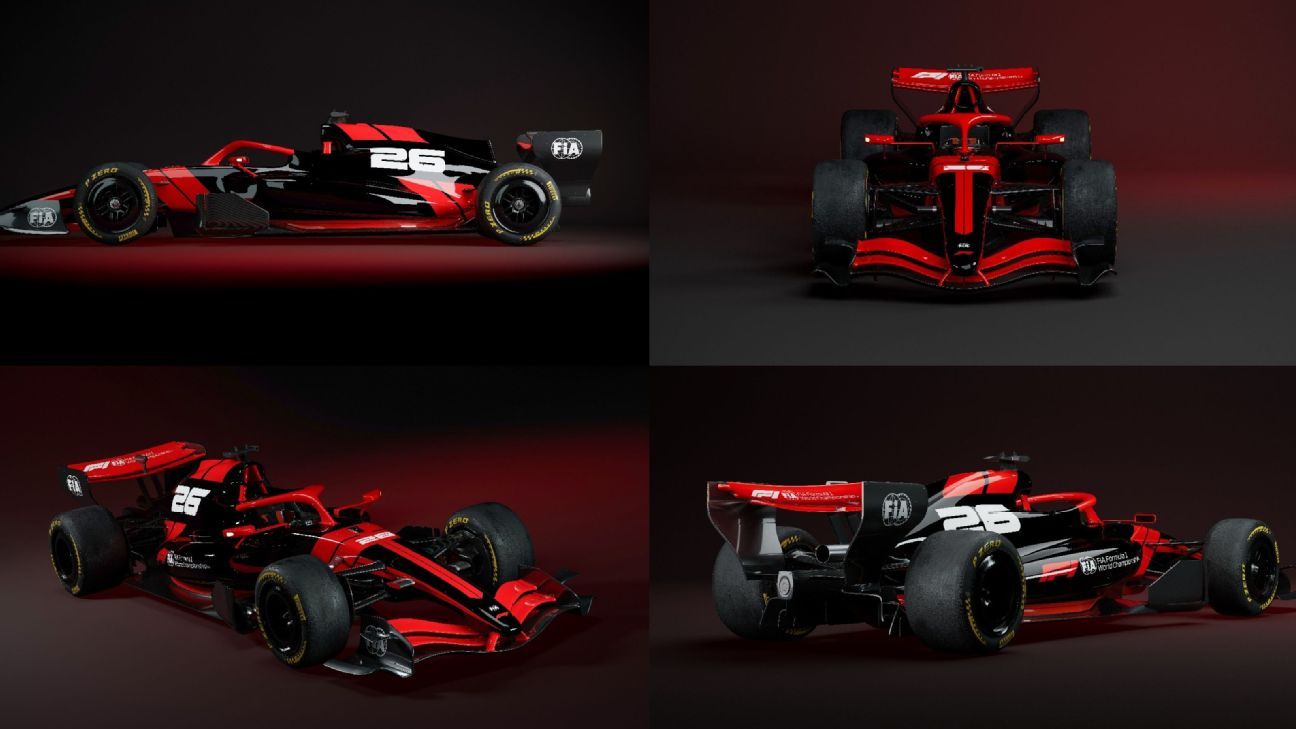
Formula 1 has introduced a new set of terminology in anticipation of the upcoming 2026 season, marking a significant shift in how the sport communicates its technical innovations. After extensive consultations with the FIA, team representatives, fans, and engineers, F1 aims to simplify its language and enhance the driver’s role on the track. The focus is on clear, actionable terms that better reflect the strategies and responsibilities of drivers.
Key Changes in Terminology
The term “Overtake Mode” will replace the previously utilized Drag Reduction System (DRS), which has been a feature since 2011. Overtake Mode allows drivers to deploy additional power when they are within one second of the car ahead, providing a more tactical approach to overtaking rather than relying solely on designated zones. This change enhances the complexity of racing strategies, as drivers must now judiciously decide when to activate the extra boost.
Additionally, a new tool known as “Boost Mode” empowers drivers to utilize maximum power from both the engine and the battery at any point on the track. This innovation adds a fresh layer of racecraft, particularly during close wheel-to-wheel combat. Drivers can use Boost Mode offensively to overtake or defensively to maintain their position, thus placing greater control in their hands.
Another important development is the introduction of “Active Aero.” This feature allows adjustments to the front and rear wings between Corner Mode and Straight Mode, providing drivers with the flexibility to optimize downforce and drag depending on the racing situation. As a result, the adaptation of vehicle dynamics will enhance grip while navigating corners and improve efficiency on straights.
Changes in Vehicle Design
The 2026 season will also see significant modifications in car design. Notably, the wheelbase will be shortened by 200 mm, overall width by 100 mm, and floor width by 150 mm. The minimum weight of the cars will decrease by 30 kg, bringing it down to 770 kg. These adjustments aim to create a more responsive and nimble driving experience, placing greater emphasis on driver skill and control.
Ground-effect tunnels, which previously contributed to overall downforce, will be eliminated, resulting in a reduction of downforce by approximately 15-30%. Simultaneously, drag is expected to decrease by around 40%, enabling cars to follow each other more closely while maintaining high straight-line speeds. The traditional DRS will be phased out, replaced by fully movable front and rear wings that can switch between high- and low-downforce configurations.
The tire specifications will also see changes, with the front tires becoming 25 mm narrower and the rear tires 30 mm narrower. This alteration aims to decrease drag and unsprung weight, further enhancing performance on the track.
As for the racing calendar, the first race of the 2026 season is scheduled for March 6, 2026. However, the preparations will commence earlier, with teams revealing their new designs during “launch season.” The unveiling of Red Bull Racing’s new look is set for January 15, 2026. The initial preseason test will occur behind closed doors in Barcelona from January 26 to January 30, followed by televised preseason tests in Bahrain on February 11-13 and February 18-20.
These changes demonstrate Formula 1’s commitment to evolving the sport while ensuring that the focus remains on the drivers and their strategic decision-making during races. As the 2026 season approaches, fans can expect a thrilling display of skill and innovation on the track.