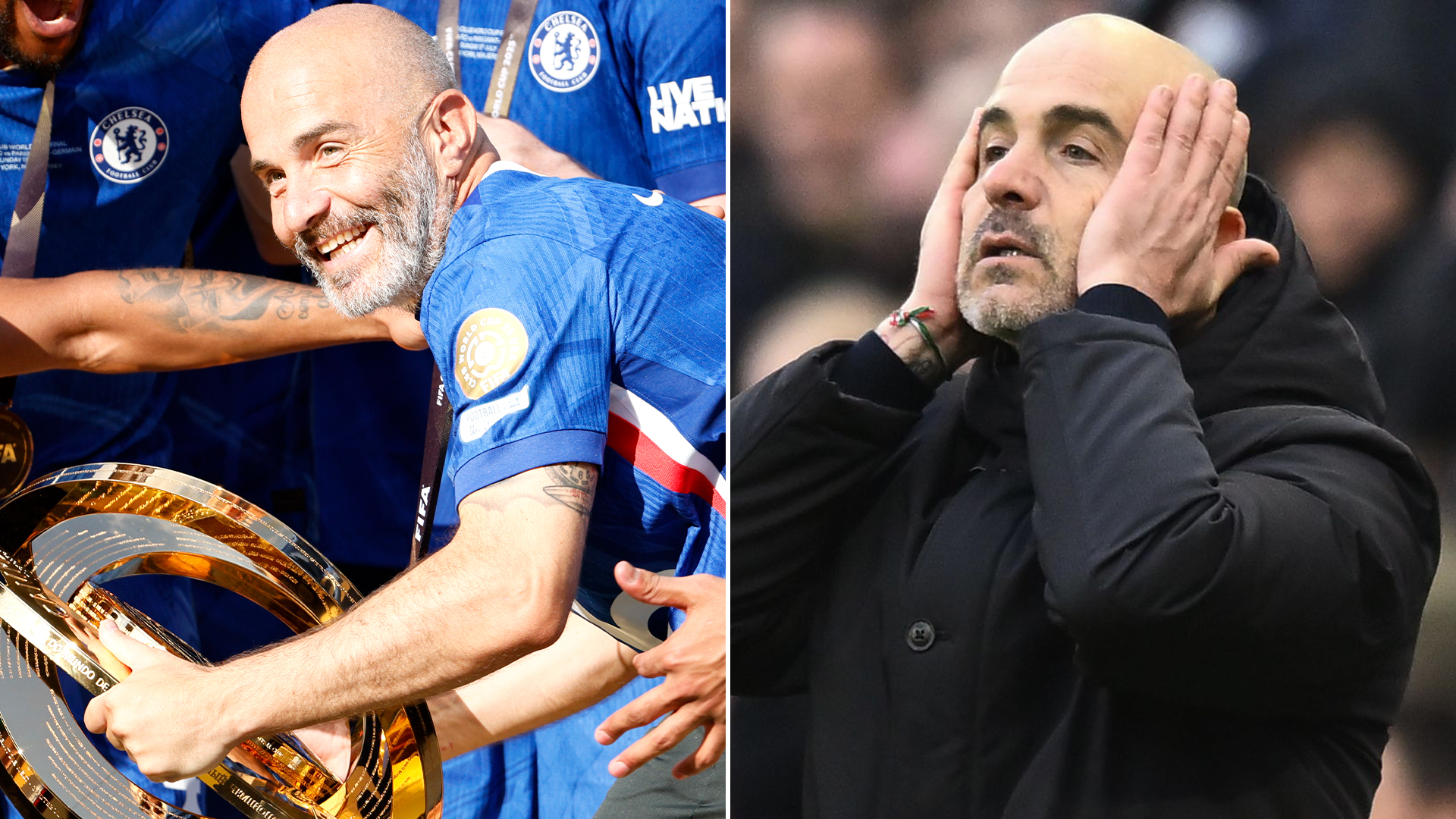
Chelsea’s unexpected success in the Club World Cup has marked a significant turning point for head coach Enzo Maresca. The triumph over Paris Saint-Germain not only elevated the club’s status but also fueled misconceptions among club executives about their player management strategy. Following the victory, both Behdad Eghbali and his fellow executives believed they could continue to operate their player transactions akin to stock trading, while still developing a competitive squad for the Premier League and the Champions League.
Maresca, emboldened by the win, sought to gain more influence in shaping the team’s roster to foster a squad capable of contending for major titles, rather than merely participating in high-profile exhibitions. In less than six months, it became evident that both Maresca and the ownership’s expectations were misaligned, contributing to a perception of Chelsea as a club with an increasingly impossible coaching role.
The regime under former owner Roman Abramovich was notorious for its high turnover rate, with 12 permanent managers and three interim appointments during his 19-year tenure. In stark contrast, Maresca has become the longest-serving coach under the current management, lasting just under 19 months. He is set to be the fifth individual appointed by BlueCo, the investment group that acquired Chelsea in May 2022.
Despite the ongoing internal conflicts, the frequent changes in leadership suggest a possible systemic issue rather than isolated failures of individual coaches. Maresca was aware of the challenges that came with the job, having signed on with the understanding of the club’s recruitment policies. His predecessors, including Thomas Tuchel, Graham Potter, and Mauricio Pochettino, were all brought in under similar constraints.
Maresca’s camp alleges that crucial terms agreed upon when he took the position in June 2024 were not upheld, leading to tensions regarding transfer policies and external influence on team decisions. While disputes over player acquisitions are common in football, Chelsea’s history of publicized internal conflicts has been exacerbated by the personalities involved and the previous regime’s lack of patience. For instance, former coach Roberto Di Matteo was dismissed just eight months after leading Chelsea to a Champions League title.
As Maresca’s grip on the role weakened, fans began to voice their frustrations, targeting both the coach and the club’s top football executives. Criticism mounted around co-sporting directors Paul Winstanley and Laurence Stewart, along with recruitment figures Sam Jewell and Joe Shields, who oversaw spending exceeding £1 billion on player acquisitions that many felt did not enhance squad quality or depth.
While supporters and leadership alike have pointed fingers at one another, the reality remains that Maresca’s increasing public frustration, expressed during press conferences, sealed his fate. The club’s hierarchy, reflecting a broader strategy, has shown a willingness to replace coaches rather than fundamentally altering their approach.
The next individual to take the reins at Chelsea will likely enter under similar circumstances, leading fans to worry about a recurrence of the cycle of instability that has plagued the club. As Chelsea navigates through its evolving identity under private equity ownership, the search for a new head coach continues, with the pressure to balance immediate success against long-term strategy growing ever more intense.