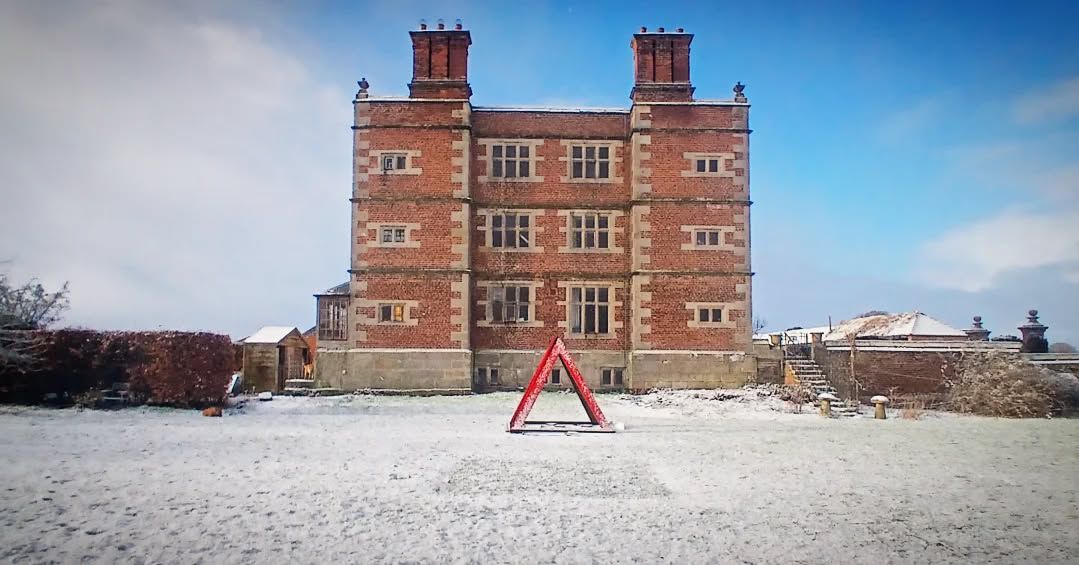
The inquiry into Soulton Hall has reached a significant milestone with the findings now officially entered into the Parliamentary record, elevating the matter to a national policy level. This development follows the successful inclusion of the inquiry’s findings into the Shropshire Council records, marking a pivotal shift in the recognition of the site’s historical importance.
On March 3, 2023, Helen Morgan, the Member of Parliament for North Shropshire, urged the Department for Culture, Media and Sport (DCMS) to evaluate the Byrga Geniht studies. These studies propose that Soulton Hall served not simply as a residence, but as a carefully designed repository established by Sir Rowland Hill. It is suggested that this structure was intended to protect the High Altar stone of Old St Paul’s and the remains of Saint Erkenwald during the tumultuous periods of the 1550s.
Responding to this inquiry on March 10, Ian Murray, the Minister for Culture, confirmed that the government officially recognizes the research findings. In a notable procedural update, the Minister indicated that Historic England is currently reviewing an application to amend the “List entry,” which is the statutory legal description for Soulton Hall. This reassessment implies a potential re-evaluation of the site’s heritage status, considering its possible function as a 16th-century memorial and sanctuary.
The ministerial statements have also clarified the government’s commitment to supporting “unexpected discoveries” in the realm of heritage. While the DCMS acknowledged that no specific “faith fund” is available, it highlighted that direct assistance for the conservation of archaeological remains can be accessed through Historic England. Notably, the DCMS is also implementing planning reforms aimed at alleviating the burdens faced by private stewards who manage national heritage sites. This recognition underscores the fact that the preservation of important historical assets often relies on individual efforts.
While discussions about the physical evidence continue, the inquiry also achieved a significant victory for regional collaboration in Shropshire. On March 9, Stephanie Peacock, Minister for the Regions, validated a new partnership initiative between Shropshire and Essex, aimed at launching a modern “Grand Tour of England.” The Minister described this collaboration as a compelling example of effective partnership working, and confirmed that VisitEngland and VisitBritain are now incorporating these regional heritage narratives into the global travel trade.
By entering the findings into the Parliamentary record, the inquiry committee has ensured that Soulton Hall’s connection to the broader narrative of English history is now recognized as part of the UK’s national cultural strategy, rather than being relegated to local speculation. This recognition not only elevates the historical significance of Soulton Hall but also contributes to the ongoing dialogue about the preservation and promotion of England’s rich heritage.