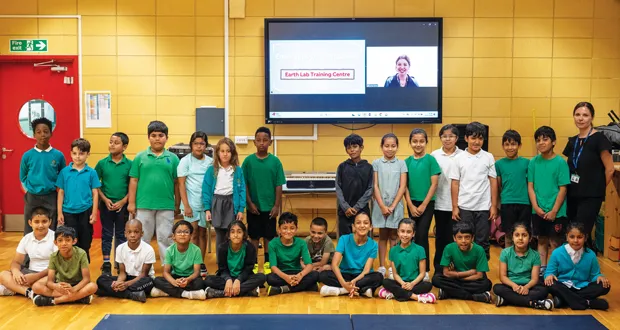
Educational institutions are increasingly integrating virtual reality (VR) and augmented reality (AR) into their curricula to enhance learning experiences. These technologies allow students to engage with complex subjects, such as natural disasters, in immersive ways. According to Mina Patel from the National Video Conferencing Education Group, effective communication during virtual trips is essential for maximizing educational outcomes.
The use of VR enables classrooms to simulate environments that are otherwise inaccessible. For example, students can explore the inner workings of a volcano or experience the effects of an earthquake without leaving their school. Such interactive learning opportunities foster curiosity and deepen understanding. Schools across the globe are adopting these technologies to provide a richer educational experience.
Engagement during live sessions is crucial. Patel emphasizes that clear audio and visual capabilities are vital for both hosts and participants. “Virtual trip activities require a lot of live questioning,” she states. This underscores the importance of reliable technology in facilitating discussions and enhancing the overall learning experience.
With the rise of remote education, the demand for effective virtual learning tools has surged. Schools are investing in advanced AV equipment to ensure that students can participate fully in virtual classes. This investment not only improves engagement but also prepares students for a future where technology plays an integral role in education.
As this trend continues to grow, the potential for VR and AR in education is vast. Schools are now exploring various subjects that can be taught through these immersive platforms, including history, science, and geography. The ability to visualize complex concepts can lead to improved retention and understanding among students.
Looking ahead, the integration of VR and AR technologies in education is expected to become more commonplace. By the end of 2024, many schools aim to have established comprehensive programs that utilize these tools effectively. This shift signifies a significant evolution in teaching methods, moving towards a more interactive and engaging approach.
In conclusion, the embrace of virtual reality and augmented reality in educational settings is transforming the way students learn. With figures like Mina Patel championing the cause, schools are set to revolutionize traditional learning experiences. As technology continues to advance, the possibilities for enhancing education through immersive experiences are limitless.