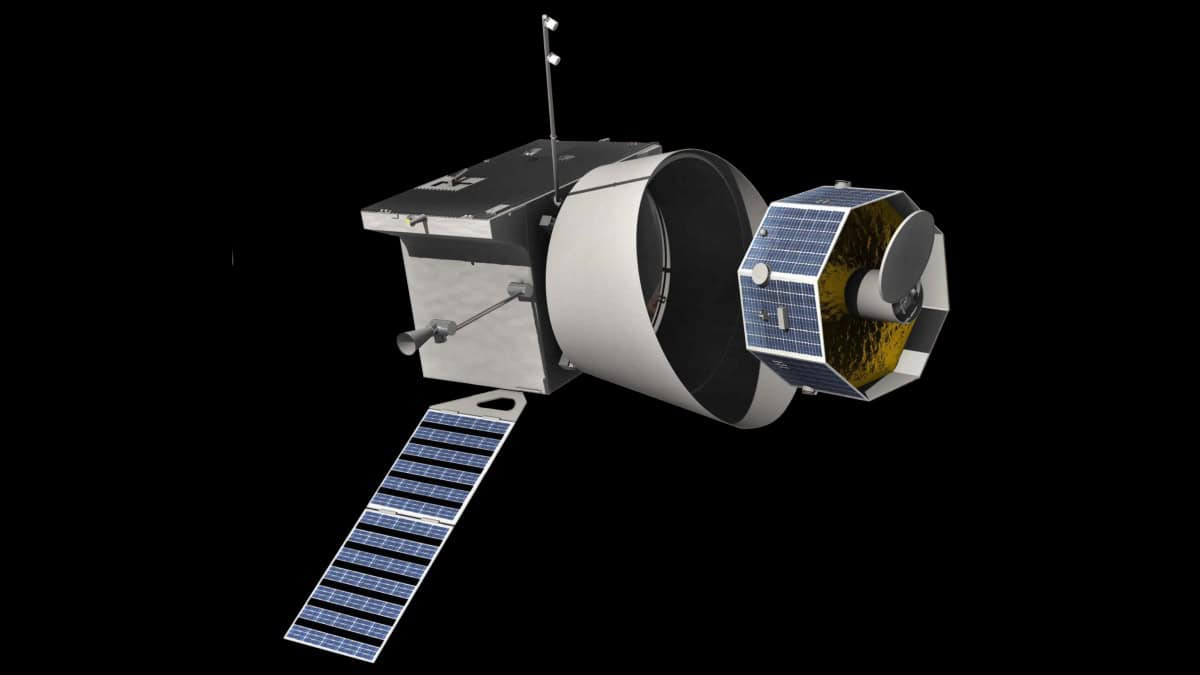
Officials are raising concerns about Russia’s interception of communications from European satellites, a situation that has evolved since the initial invasion of Ukraine in March 2014. Two Russian satellites, known as Luch/Olymp 1 and 2, have been identified as closely monitoring European spacecraft, leading to heightened fears of espionage and potential disruptions to satellite operations.
Understanding the Threat of Russian Satellite Operations
These Russian satellites have reportedly engaged in what are known as proximity and rendezvous operations (RPOs), where one spacecraft maneuvers near another. While RPOs can serve benign purposes, such as extending a satellite’s lifespan or removing space debris, the context and frequency of Russia’s actions have raised red flags.
The French Defence Minister accused Russia of espionage in 2018 after one of its satellites was spotted near a Franco-Italian military communications satellite. Additionally, two Intelsat satellites were targeted prior to this incident. The Luch satellites have been observed shadowing certain European spacecraft for months, often coming within five kilometres of their targets. This pattern deviates from typical inspection missions, which usually involve brief encounters to gather data.
By positioning the Luch satellites strategically, Russia can intercept signals from European satellites, including those operated by Eutelsat and Intelsat. These satellites play a crucial role in providing secure communications to European militaries, making the interception of their communications a significant concern.
The Broader Geopolitical Implications
While the Luch satellites primarily collect intelligence, they also symbolize a broader strategy by Russia to assert influence and demonstrate capabilities in space. According to Major General Michael Traut, commander of Germany’s Space Command, the Luch satellites may have intercepted command links, which are secure transmissions that convey operational instructions from ground stations to satellites. Such capabilities could enable Russia to disrupt European satellite operations in the future.
“Any Russian space operation should be seen as part of a larger campaign to accrue strategic benefits,” Major General Michael Traut stated.
This situation bears resemblance to Russia’s hybrid tactics against European undersea cables, which have involved covertly mapping infrastructure and efforts to sever fibre optic connections. The persistent RPOs by the Luch satellites could signal potential escalatory moves against Europe, especially if Russia perceives that its objectives in Ukraine are being undermined by European support.
In response to these threats, transparency has emerged as a key strategy for European officials. Publicly exposing Russian activities in geostationary orbit aims to delegitimize these operations on the international stage. Countries like the UK and Germany are increasingly vocal about the need to develop their own counterspace capabilities to enhance self-defense.
Without a comprehensive strategy that includes self-defense options, Europe risks being vulnerable to further aggressive actions in space. Safeguarding vital space-enabled services, including military communications and economic connectivity, necessitates a strong commitment to orbital security as part of a broader strategic posture.
As space continues to evolve as a domain intertwined with global geopolitics, the implications of Russia’s surveillance operations extend beyond mere intelligence gathering. The potential to disrupt European satellite operations underscores the urgent need for coordinated responses and enhanced security measures in the face of growing threats from space.