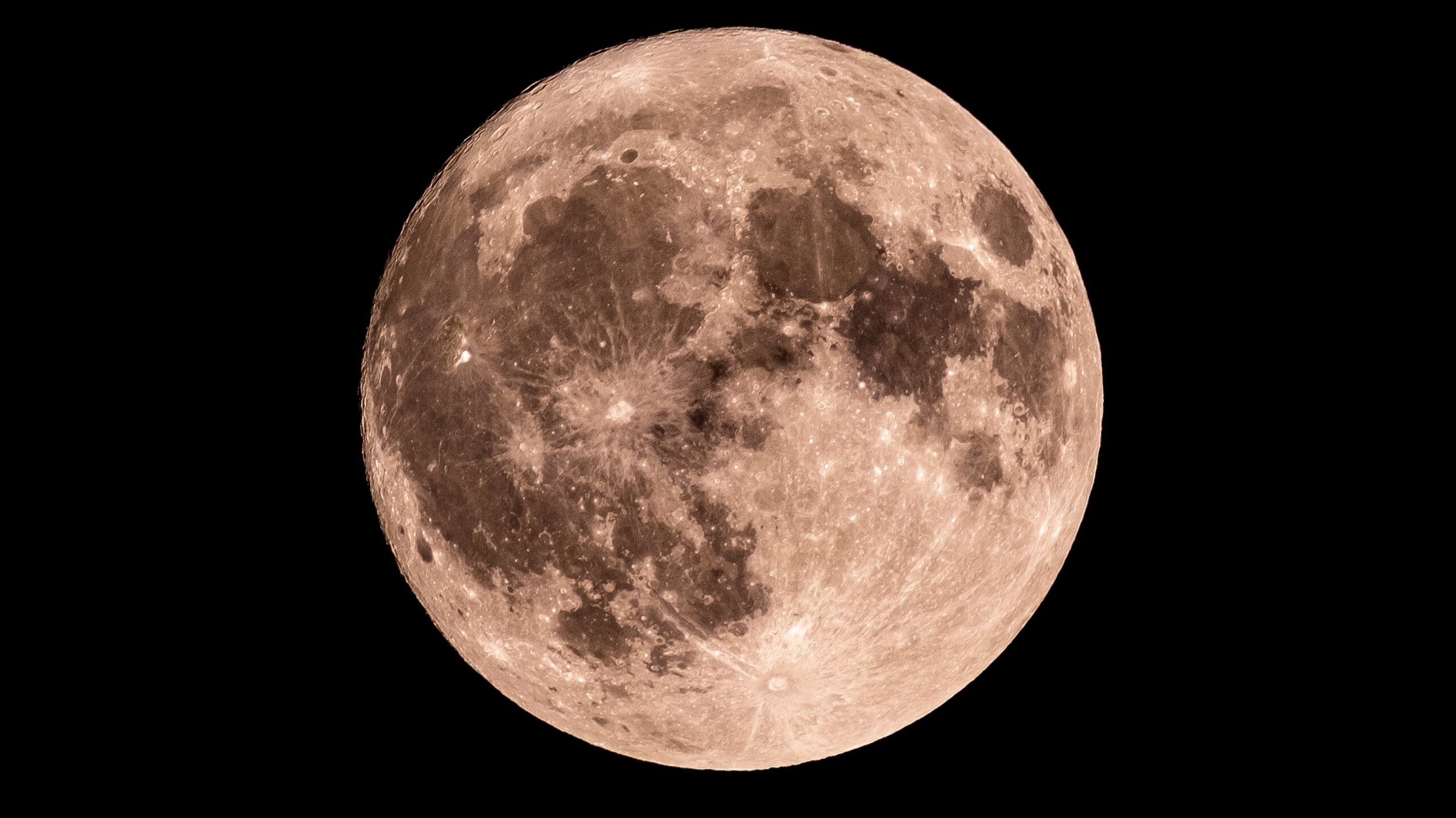
As Valentine’s Day approaches, stargazers can look forward to a special lunar event. On February 14, the Moon will be in its **Waning Crescent** phase, offering a rare opportunity for romantic moonlit evenings. With **11%** of its surface illuminated, couples can enjoy a moment together, though viewing the details will require binoculars or a telescope.
During this phase, the Moon is positioned between the Earth and the Sun, resulting in a small sliver of light visible on its left side. For those eager to explore, the **Grimaldi Basin**, an impact feature on the Moon’s surface, can be observed with the right equipment. Its location will vary depending on your hemisphere; it appears on the far left in the Northern Hemisphere and to the far right in the Southern Hemisphere.
Upcoming Lunar Events
The next significant lunar milestone will be the **Full Moon** on **March 3**, following the last Full Moon, which occurred on **February 1**. As the Moon orbits the Earth approximately every **29.5 days**, it transitions through eight distinct phases, each varying in illumination.
According to **NASA**, these phases include:
– **New Moon**: The Moon is invisible from Earth.
– **Waxing Crescent**: A small light appears on the right side.
– **First Quarter**: Half of the Moon is illuminated on the right.
– **Waxing Gibbous**: More than half is lit, nearing full brightness.
– **Full Moon**: The entire face is fully visible.
– **Waning Gibbous**: The Moon begins to lose light on the right.
– **Third Quarter**: The left side is illuminated, appearing as another half-Moon.
– **Waning Crescent**: A thin sliver remains before the Moon goes dark.
As you plan your Valentine’s celebrations, consider taking a moment to gaze at the Moon. While it may not be fully illuminated, its serene presence can add a touch of magic to the evening. Whether you are in the Northern or Southern Hemisphere, the lunar display promises a lovely backdrop for your romantic stargazing plans.