The PUNCH (Polarimeter to Unify the Corona and Heliosphere) spacecraft, developed by the Southwest Research Institute (SwRI), is making significant strides in solar observation just months after its launch. The mission has successfully captured unprecedented images of the Sun while simultaneously monitoring comets and large-scale space weather phenomena traversing the inner solar system.
During a media roundtable at the AGU25 conference on December 16, 2023, Dr. Craig DeForest, a representative from SwRI, shared insights into the mission’s accomplishments. He highlighted how PUNCH’s advanced imaging capabilities allow scientists to observe the Sun in a context that has not been possible before, enhancing our understanding of solar dynamics and their impact on space weather.
The PUNCH mission aims to bridge critical gaps in our knowledge of the solar corona and heliosphere. By utilizing innovative polarimetric techniques, it provides valuable data on solar winds and their interaction with interplanetary space. This information is crucial for predicting and mitigating the effects of solar storms on Earth, which can disrupt communications, navigation systems, and power grids.
The spacecraft’s observations have already yielded exciting discoveries, including detailed images of solar features previously obscured by the Sun’s brightness. These findings represent a leap forward in solar research, as they enable scientists to study the Sun’s influence on the solar system with unprecedented clarity.
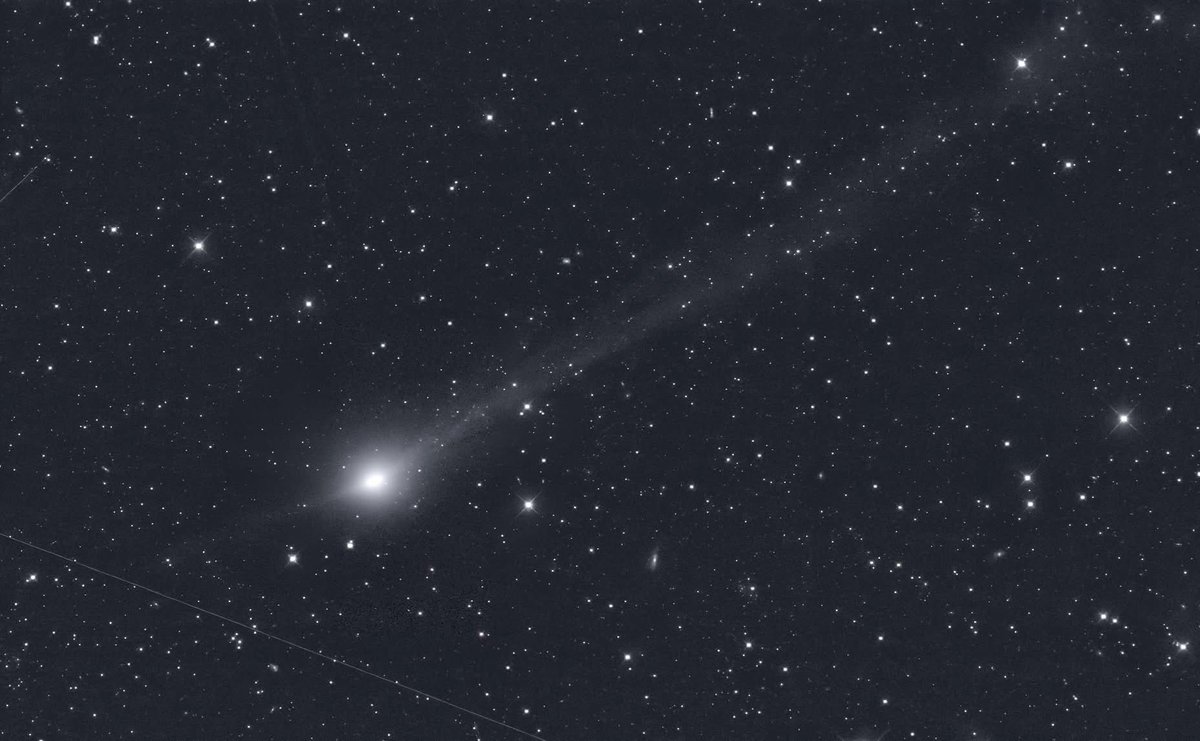
In addition to solar observations, PUNCH has also been tracking comets as they approach the Sun. This dual focus on solar activity and cometary behavior enriches our understanding of celestial phenomena, offering a comprehensive view of how solar forces interact with other bodies in the solar system.
As the mission progresses, the PUNCH team anticipates more groundbreaking discoveries. Dr. DeForest expressed optimism about the data yet to be collected, emphasizing the potential for further insights into the complex interactions between the Sun and its surrounding environment.
With its innovative approach and powerful imaging capabilities, the PUNCH spacecraft is poised to make lasting contributions to solar science and our understanding of the broader cosmic environment. As researchers continue to analyze the data, the implications for both academic research and practical applications in space weather forecasting are becoming increasingly evident.