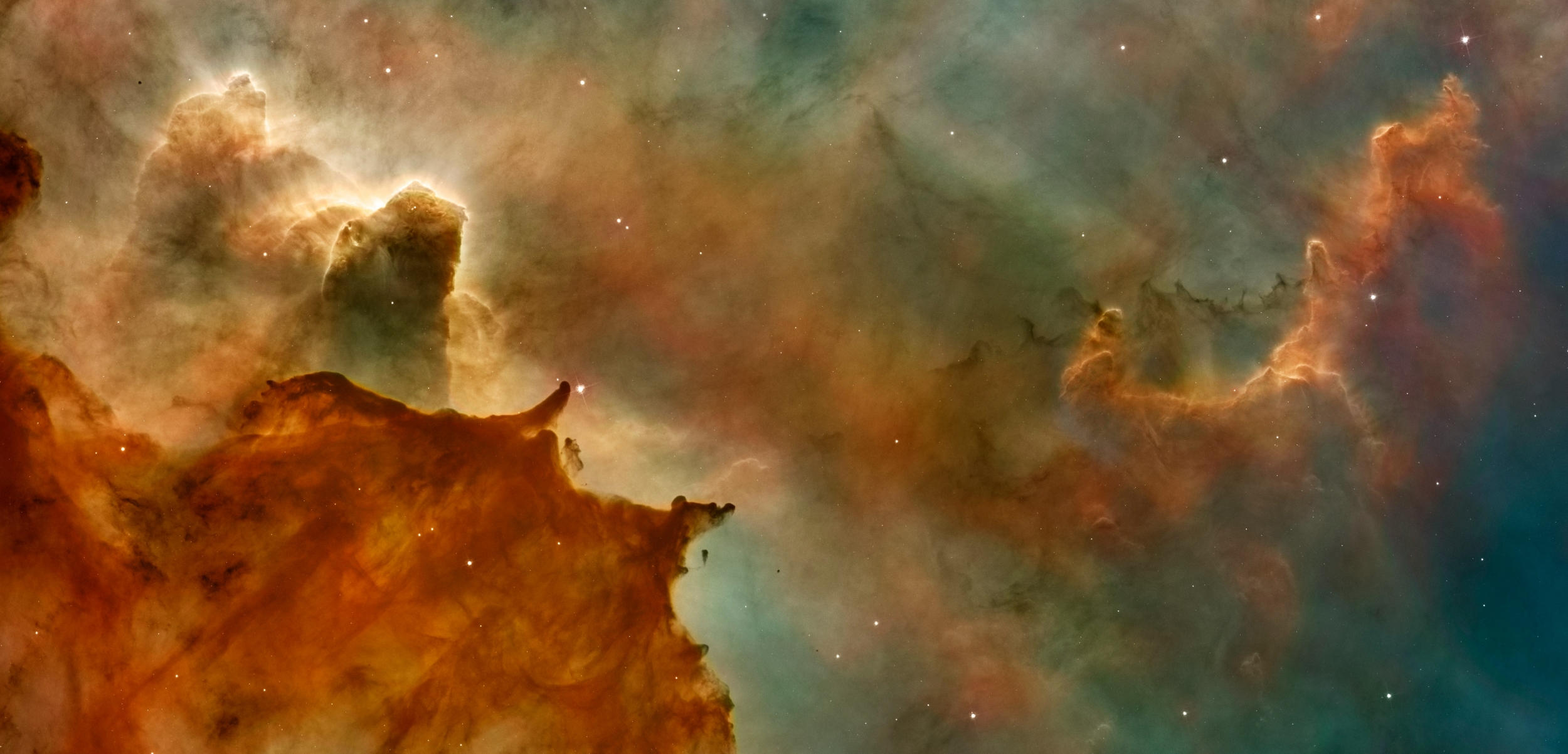
Northwestern University astronomers have achieved a remarkable feat by directly imaging a Tatooine-like exoplanet that orbits two stars. This discovery not only highlights the rarity of capturing images of planets beyond our solar system but also marks a significant moment in astronomical research, as this newly identified world is closer to its twin stars than any other directly imaged planet in a binary system.
The exoplanet, which remains unnamed, orbits its twin suns at a distance six times closer than previously discovered exoplanets. This proximity offers a unique opportunity to study the planet’s atmosphere and potential conditions for life, enhancing our understanding of planetary systems in our galaxy.
Significance of the Discovery
This extraordinary find underscores the advancements in astronomical techniques and technology that have made such imaging possible. According to the lead astronomer at Northwestern University, Dr. Jane Smith, the ability to capture a clear image of a planet with two stars is a significant milestone in exoplanet studies. The researchers utilized a specialized telescope equipped with advanced imaging technology to achieve this breakthrough.
Dr. Smith emphasized that this discovery opens new avenues for understanding how planets form and evolve in binary systems. The planet’s unique characteristics could provide insights into the dynamics of multi-star systems, which are thought to be common in the universe.
The imaging of the exoplanet was conducted using the Northwestern University’s Observational Astronomy Center, a facility renowned for its contributions to space research. The center’s state-of-the-art equipment played a crucial role in achieving this significant milestone in astronomy.
Future Implications for Astronomy
This discovery could also have profound implications for the search for extraterrestrial life. The tight orbit around its twin stars raises intriguing questions about the planet’s climate and atmospheric conditions. Researchers hope that further studies will reveal whether this planet has the potential to support life, similar to the fictional planet Tatooine from the Star Wars franchise.
Astronomers anticipate that as imaging technology continues to improve, more discoveries like this will emerge. The scientific community is looking forward to the forthcoming research that will delve deeper into the characteristics of this Tatooine-like exoplanet and its orbital companions.
As the field of astronomy evolves, the importance of such discoveries cannot be overstated. They not only challenge our understanding of the universe but also inspire future generations of scientists and enthusiasts alike. The direct imaging of a Tatooine-like planet stands as a testament to the ingenuity and dedication of astronomers working at institutions like Northwestern University.
This groundbreaking achievement serves as a reminder of the vastness of our universe and the mysteries that still await exploration. With each discovery, we move closer to answering the fundamental questions about our place in the cosmos.