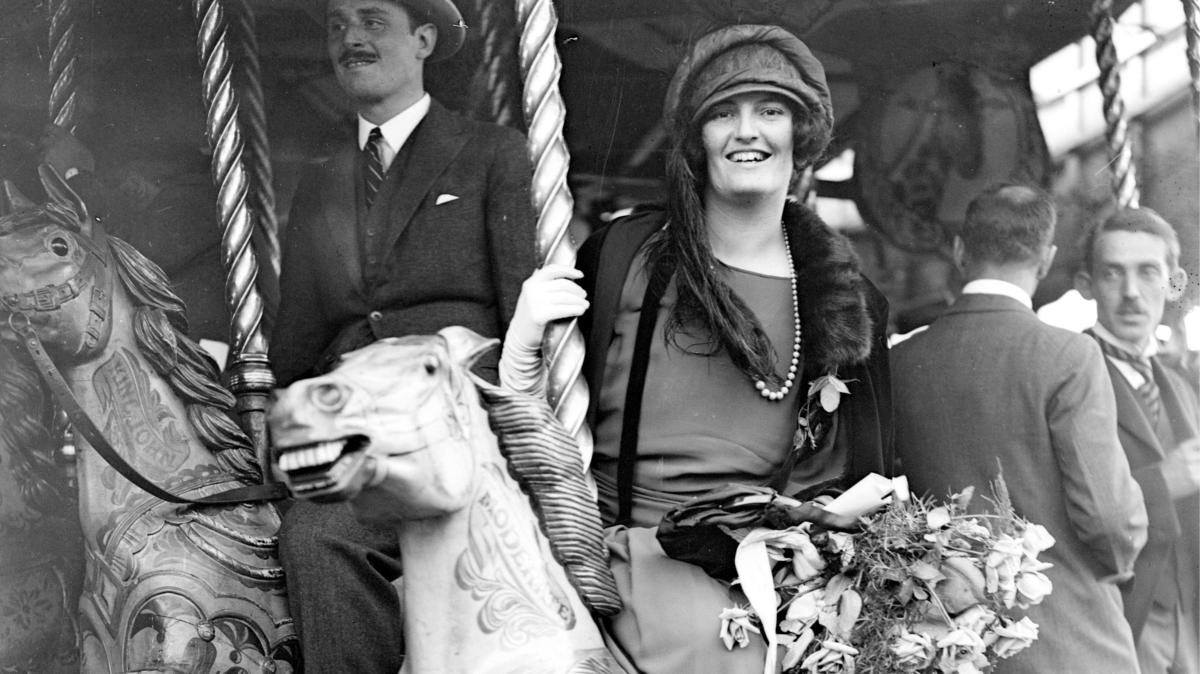
A recent feature published in The Sunday Times on December 20, 1925, highlights the fascinating examination of the daughters of Lord Curzon, a prominent figure in British politics and former Viceroy of India. The article presents the sisters as compelling examples of heredity, providing insights into the genetic traits inherited from their distinguished lineage.
Lord Curzon, who served as Viceroy from 1899 to 1905, was known for his significant contributions to British rule in India and for his influential status within British aristocracy. The analysis of his daughters, Lady Mary Curzon and Lady Alexandra Curzon, reveals how their physical appearance and temperament reflect the characteristics of their parents and ancestors.
The Impact of Heritage on Identity
The article emphasizes the connection between heredity and personal identity. With their notable lineage, Lady Mary and Lady Alexandra embody the traits associated with their family, including intellect, poise, and social grace. The examination draws attention to how these inherited qualities play a role in shaping their lives and social interactions.
According to the feature, the study of the sisters could be viewed as a reflection of broader discussions surrounding genetics and heredity during the early 20th century. As scientific understanding of genetics began to evolve, the implications of this knowledge on social dynamics and class structures gained prominence.
Scientific Perspectives and Social Implications
The article notes that the fascination with heredity was not merely an academic exercise; it had real implications for social standing and expectations. The daughters of Lord Curzon were expected to uphold the family’s esteemed reputation, which added pressure to conform to societal norms.
In the context of the article, the concept of heredity also raises questions about the role of genetics in determining personality traits and capabilities. This interest in hereditary studies was part of a larger trend in the early 20th century, as society grappled with the intersections of science, identity, and social structure.
As the feature unfolds, it provides a window into the lives of Lady Mary and Lady Alexandra, exploring how their upbringing and familial expectations influenced their choices. The narrative underscores that while genetic inheritance plays a significant role, environmental factors and individual experiences also shape identity.
The analysis presented in The Sunday Times serves as a historical reflection on the importance of heredity within British aristocracy, illustrating how the daughters of Lord Curzon exemplified the complexities of inherited traits, societal expectations, and personal identity. As discussions on genetics continue to evolve, this examination from a century ago remains relevant in understanding the profound impact of family legacy.