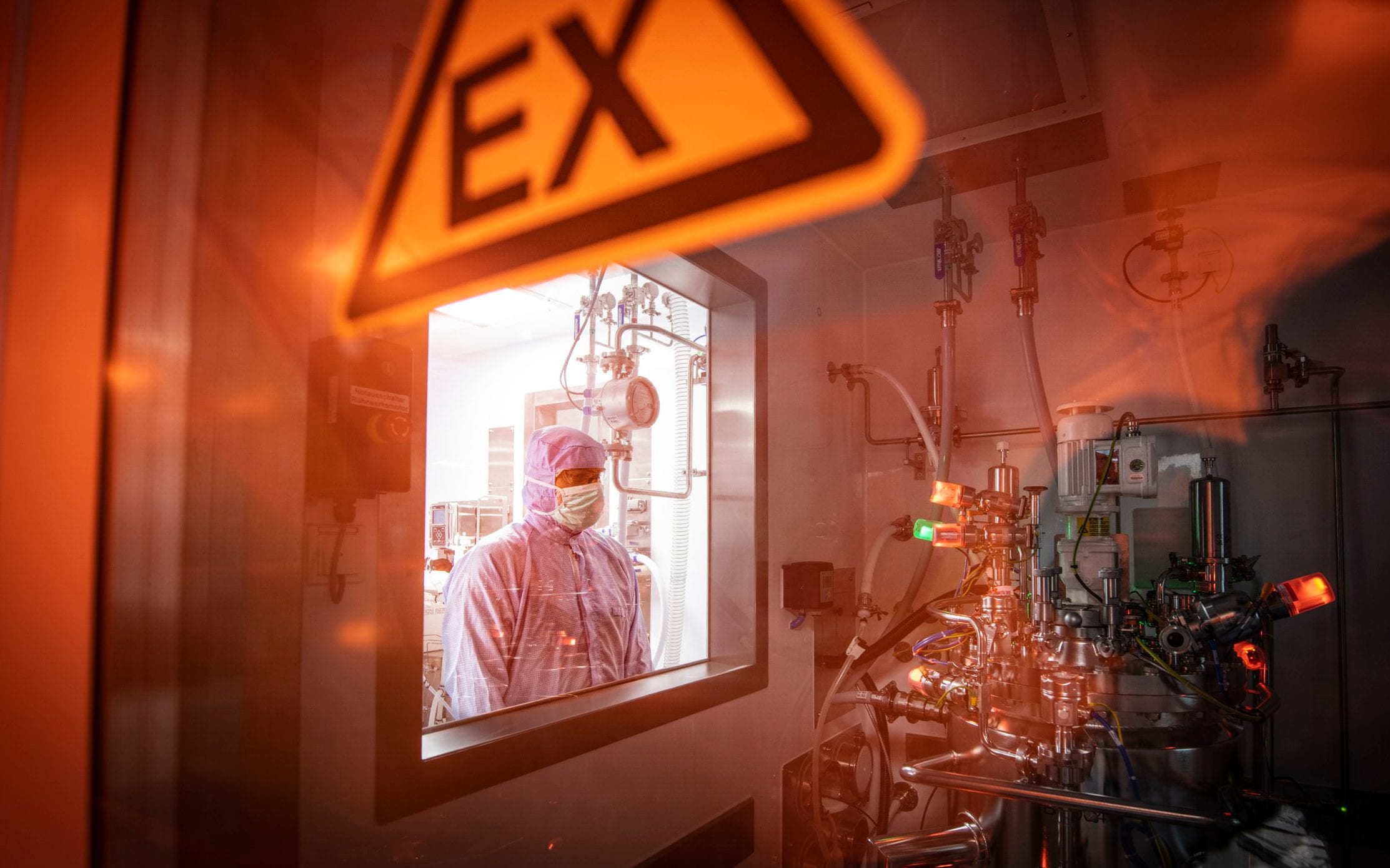
The inevitability of future pandemics has prompted urgent calls for increased investment in scientific research and public health infrastructure. The COVID-19 pandemic highlighted the world’s vulnerability to infectious diseases, revealing significant gaps in preparedness and response capabilities. Experts assert that proactive measures, particularly in scientific domains, are essential to mitigate the impacts of future health crises.
Urgent Need for Scientific Investment
According to the World Health Organization (WHO), the COVID-19 pandemic resulted in over 6.9 million deaths worldwide and caused unprecedented economic disruptions. As nations recover, global leaders must prioritize funding for health systems and scientific research to prevent similar tragedies. The National Institutes of Health (NIH) emphasizes that investing in science is not merely a response to current threats but a necessary strategy for long-term global health security.
The Global Health Security Agenda aims to strengthen the capabilities of countries to prevent, detect, and respond to infectious disease threats. This initiative underscores the importance of international collaboration and resource allocation. Nations that invest in research and development are better positioned to develop vaccines and treatments swiftly. The rapid development of COVID-19 vaccines demonstrated the potential of scientific innovation when adequately funded.
Financial Implications and International Cooperation
Financial considerations play a crucial role in pandemic preparedness. The International Monetary Fund (IMF) has called for countries to allocate at least 1% of their GDP towards health and research initiatives. This investment is projected to save lives and reduce economic losses in the long run. By enhancing health infrastructure, nations can improve their resilience against future outbreaks.
Moreover, international cooperation is essential. The lessons learned from the COVID-19 response illustrate the need for a coordinated global strategy. Countries must work together to share data, resources, and best practices. The WHO and UN have both advocated for a unified approach to health security, emphasizing the interconnectedness of global health and economic stability.
The path forward requires commitment from governments, private sectors, and research institutions. Strategies must be implemented to ensure equitable access to healthcare and scientific advancements. Successful pandemic prevention will depend on sustained investment in science and technology, fostering innovation that can address emerging health challenges.
As the world grapples with the ongoing implications of COVID-19, the call to action is clear. By prioritizing scientific investment today, nations can build a safer, healthier future for all.