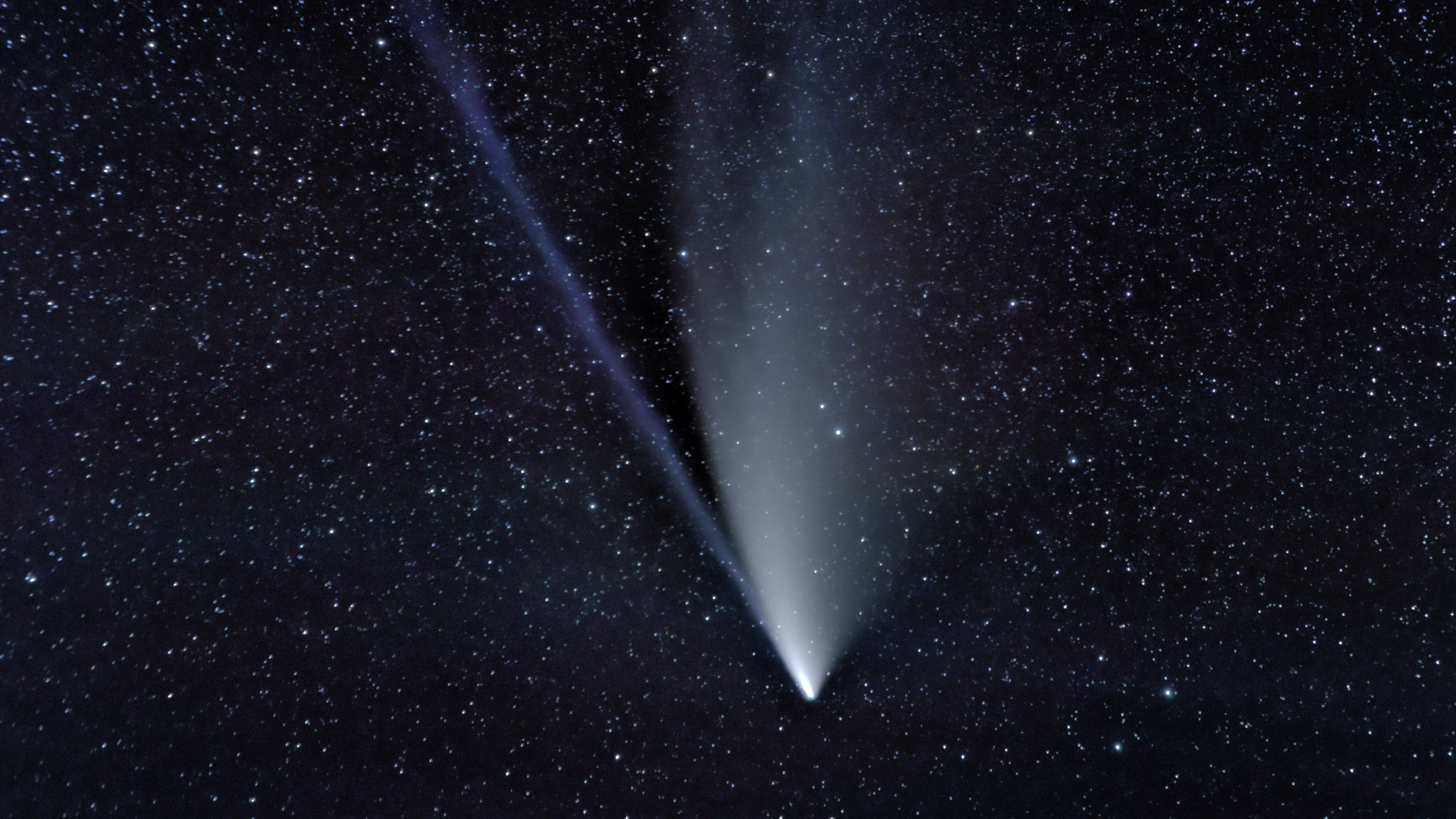
A remarkable event is unfolding in our solar system as the interstellar comet known as 3I/ATLAS makes its way through the inner solar system. This comet, originating from beyond our solar system, is captivating astronomers with its vivid jets and expansive gas cloud, providing a rare opportunity to study material from a distant region of the galaxy. Telescopes worldwide are focusing on this celestial visitor, which could offer insights into the building blocks of planets.
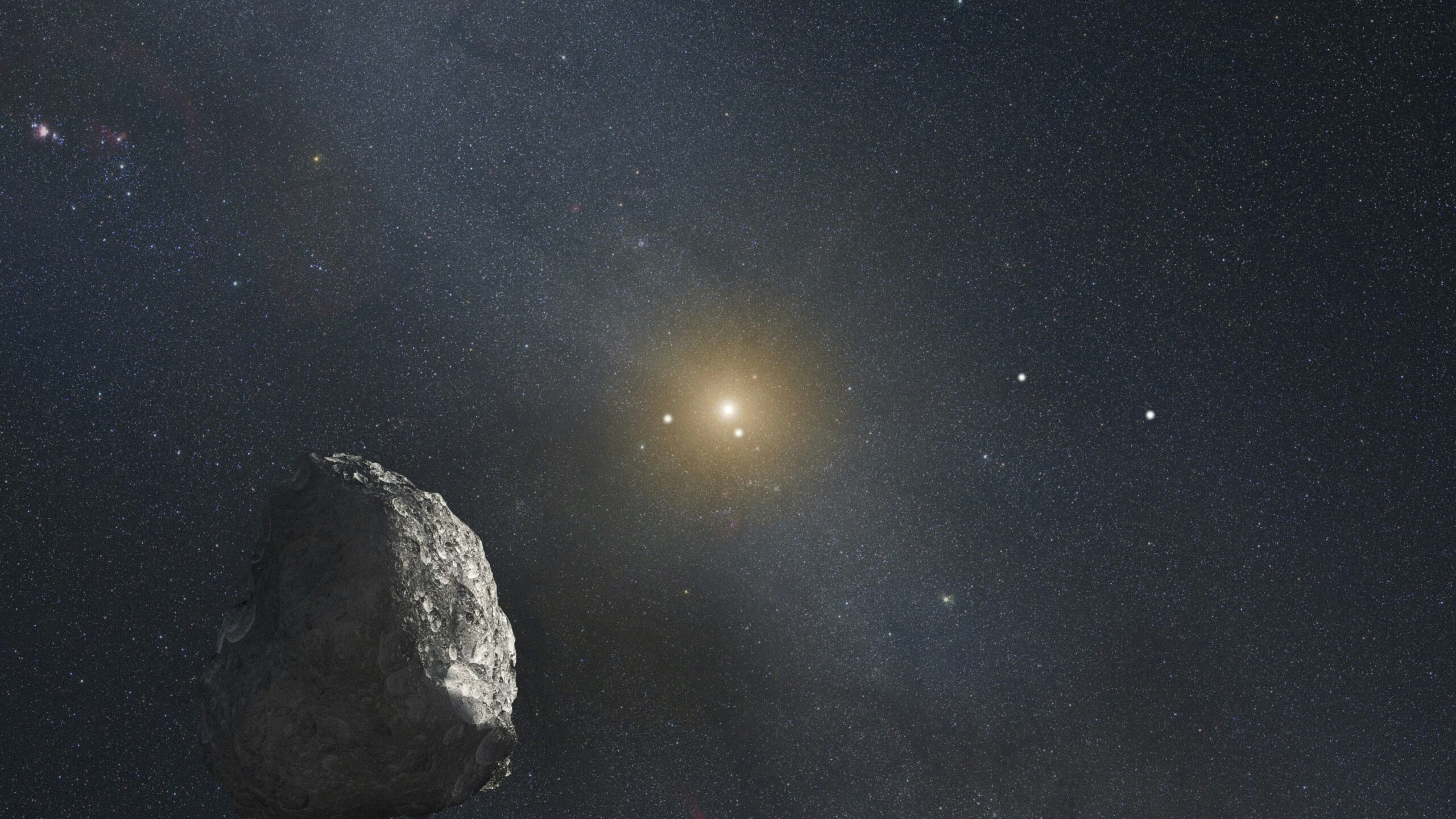
Observations from the Hubble Space Telescope on July 21, 2025, revealed a teardrop-shaped cocoon of dust enveloping a solid icy nucleus, confirming its identity as a comet rather than an asteroid. Subsequent analyses indicated that the nucleus measures between approximately 440 metres and 5.6 kilometres in diameter. Its interstellar origin makes 3I/ATLAS an exceptional specimen of ancient cosmic material.
In a surprising twist, data from the James Webb Space Telescope (JWST) in August 2025 highlighted the comet’s gas cloud, which is predominantly composed of carbon dioxide (CO2). While water ice, water vapour, and carbon monoxide (CO) were also detected, the CO2-to-water ratio was approximately 8:1, one of the highest ratios recorded for a comet. This unusual chemical composition suggests that the nucleus may have undergone significant processing due to exposure to cosmic rays over billions of years, consistent with its deep interstellar origins.
The scientific community has mobilized, directing nearly every major solar-system-observing spacecraft to monitor 3I/ATLAS. Probes from NASA and the European Space Agency (ESA)—including the Lucy Spacecraft, MAVEN, and the Mars Reconnaissance Orbiter (MRO)—have all provided valuable imagery and data as the comet passed by Mars and the Sun.
On October 2025, 3I/ATLAS reached its closest approach to Mars, approximately 30 million kilometres away, allowing for the capture of ultraviolet images of its coma. In a livestreamed event on November 19, 2025, NASA shared the data collected, despite earlier delays caused by a US government shutdown.
Unlike comets from within our solar system, which carry the chemical fingerprints of the Sun’s early environment, 3I/ATLAS provides direct samples from another star system. Its high CO2 content and dearth of carbon chains may reflect formative conditions that differ markedly from those in our solar system. According to a NASA statement, all observations to date confirm that 3I/ATLAS is indeed a comet, not an alien spacecraft, yet it holds extraordinary scientific value.
Amit Kshatriya, a scientist at NASA, emphasized the significance of this comet, stating, “It looks and behaves like a comet… but this one came from outside our solar system, which makes it fascinating, exciting, and scientifically very important.”
As 3I/ATLAS continues its journey, it is expected to make its closest approach to Earth on December 19, 2025, at a distance of approximately 270 million kilometres (about 170 million miles). This distance is safe for our planet but close enough for ground- and space-based telescopes to gather additional data before the comet resumes its trajectory back into interstellar space.