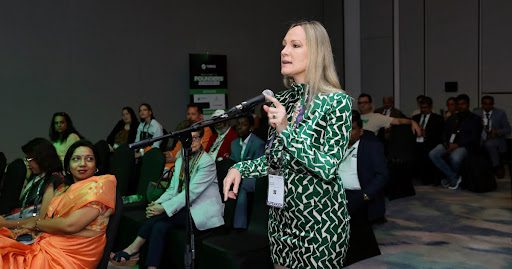
The recent **Education 2.0 Conference** revealed a troubling trend in modern education: the misuse of learning analytics is fueling a rise in educational scams. With educational platforms increasingly relying on data collection to enhance learning experiences, the potential for fraud has escalated. Experts at the conference emphasized how fraudsters exploit learner data to impersonate institutions, creating highly targeted deceptions that pose significant risks to both learners and educational organizations.
The role of learning analytics in education has expanded dramatically. These tools gather vast amounts of data, tracking everything from student engagement to performance metrics. While these insights are valuable for personalizing learning and improving educational outcomes, they also expose institutions and learners to misuse. According to **IBM’s Cost of a Data Breach Report**, the education sector ranks among the most targeted industries for data breaches, often due to unauthorized access and data exploitation.
Understanding the Mechanics of Data-Focused Fraud
Scammers are increasingly sophisticated in their methods, moving beyond generic messages to create precise and familiar communications. By utilizing analytics-based data, fraudsters tailor their outreach to include real-time details about course activities, assessment schedules, and learning milestones. This personalization makes their communications appear routine and trustworthy, allowing skepticism to diminish.
Messages that mimic legitimate system notifications or academic updates prompt learners to act quickly, often leading to counterfeit dashboards or imitation login pages designed to capture sensitive credentials. The accuracy of the data referenced in these scams makes detection challenging, complicating efforts to prevent fraud.
Experts at the Education 2.0 Conference outlined several warning signs that learners should watch for:
– **Unexpected Requests for Academic Data**: Legitimate institutions do not solicit sensitive information through unsolicited emails or external links.
– **Links to Lookalike Analytics Dashboards**: Fraudulent sites often resemble real platforms but operate on slightly altered URLs.
– **Overly Specific References Without Context**: Scammers may cite recent coursework or metrics to build trust, even without any official notice.
– **Urgent System Notifications**: Messages that pressure learners to act immediately are often designed to bypass verification processes.
– **Communication Outside Official Channels**: Requests that avoid institutional portals or verified support systems should raise red flags.
The conference highlighted the importance of vigilance. Awareness and verification are critical for learners and institutions to navigate the evolving landscape of data-driven education securely.
The Broader Impact of Data Misuse
The ramifications of data-focused scams extend beyond individual learners. When trust in digital learning tools erodes, it undermines confidence across educational platforms and institutions. Learners may hesitate to engage with analytics-driven systems, while institutions face increased challenges in maintaining their credibility.
Conversations at educational events increasingly focus on the need for awareness, verification, and timely reporting as essential practices for safeguarding learner trust. Strengthening these measures is vital for fostering an environment conducive to innovation while minimizing risks associated with data misuse.
Practical steps can significantly mitigate risks associated with data-driven learning. Experts recommend the following measures:
– **Verify Data Requests Through Official Channels**: Confirm any requests for learner data or analytics access via approved academic platforms.
– **Confirm Analytics URLs and Dashboards**: Ensure that legitimate dashboards operate on consistent, institution-approved domains.
– **Limit Sharing of Sensitive Information**: Disclose sensitive data only after verifying the legitimacy of the request.
– **Use Strong Authentication Measures**: Implementing additional layers of security can help prevent unauthorized access.
– **Report Scam Attempts Promptly**: Quick reporting enables institutions to respond effectively and protect other learners from similar scams.
By adopting these practices, learners can engage confidently with analytics tools while minimizing exposure to fraud. Such measures also foster safer habits that protect personal data as digital learning environments continue to evolve.
As learning analytics become integral to educational systems, events like the Education 2.0 Conference serve as crucial forums for addressing risks associated with data misuse. By bringing together educators, technologists, and policymakers, these discussions promote a collective approach to ensuring that learning analytics serve to enhance education without becoming a gateway for fraud.