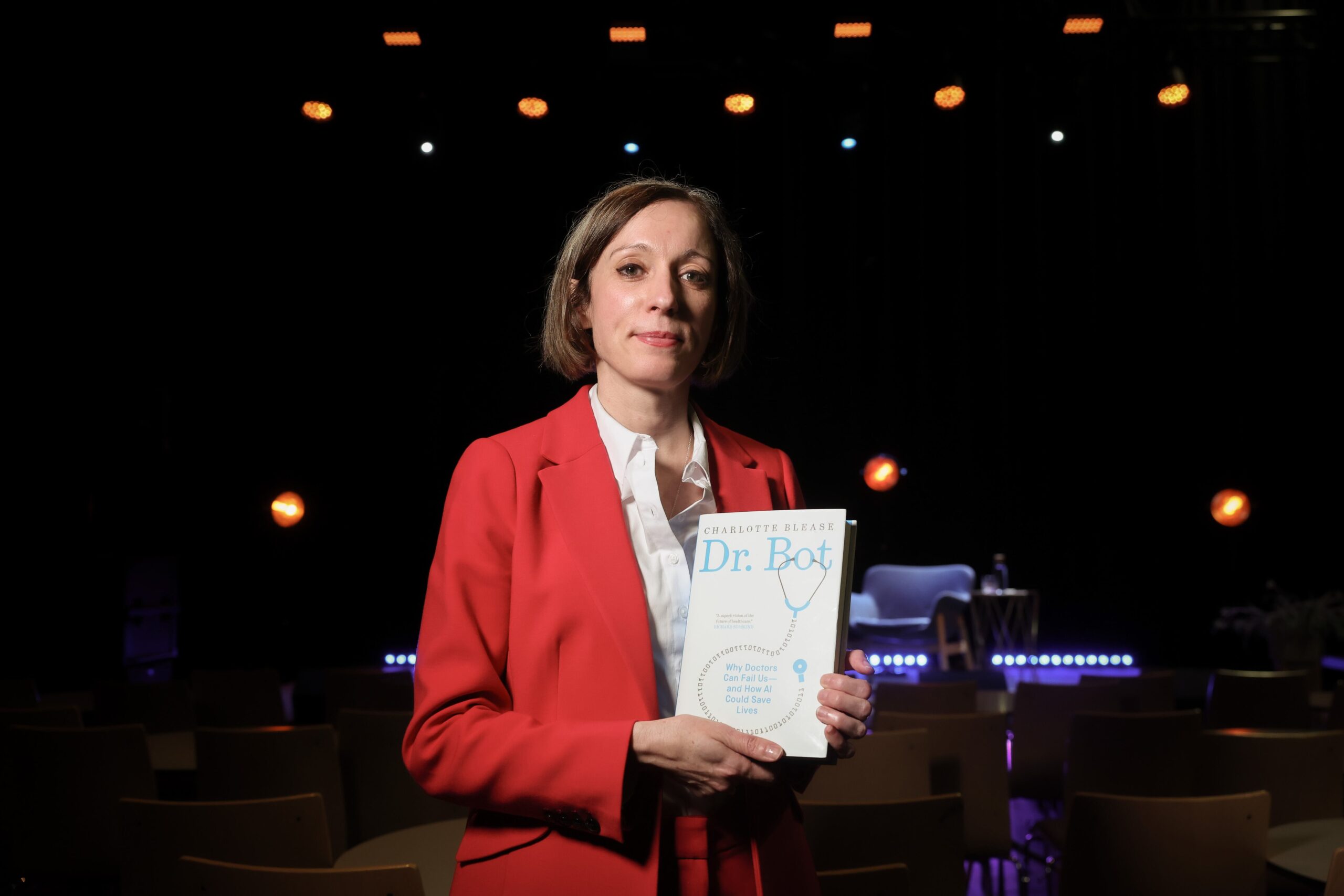
A new book by health researcher Charlotte Blease raises thought-provoking questions about the role of artificial intelligence (AI) in healthcare. Titled Dr Bot: Why Doctors Can Fail Us – and How AI Could Save Our Lives, the book explores how AI could address the limitations faced by clinicians, particularly in the context of misdiagnosis and patient outcomes.
Blease, originally from East Belfast, argues that doctors are not infallible and are often overwhelmed by the demands of modern medicine. “Doctors aren’t gods; they can’t do it all,” she states, acknowledging the pressures that clinicians face, including information overload and high patient volumes. According to Blease, this results in hundreds of thousands of deaths annually in the West due to misdiagnosis—not out of negligence, but because of the inherent limitations of human cognition.
Human Limitations and AI Solutions
Blease, who is currently an associate professor at Uppsala University and a researcher at the Digital Psychiatry Program at Harvard Medical School, highlights the cognitive demands placed on doctors. They must keep up with rapidly evolving research while managing increasing patient loads. “Our brains weren’t designed for this level of multitasking,” she explains, suggesting that even with increased funding, systems like the NHS will still face biological constraints.
The book emphasizes that doctors, like all individuals, are prone to biases that can influence diagnosis and treatment. These biases can be based on race, gender, and age, often occurring unconsciously. Blease points out that patients also play a role in this dynamic, frequently withholding information from their doctors. “Studies show about 85 percent of people have lied to their doctor,” she notes, which can hinder effective care.
While Dr Bot does not seek to undermine the medical profession, it advocates for prioritizing patient care over protecting the status quo of doctors. Blease argues that the arrival of AI tools, such as ChatGPT, has ignited discussions about the use of technology in healthcare. While many doctors have expressed concerns about patients turning to AI for medical inquiries, Blease points out that many clinicians are also utilizing these tools for administrative tasks and diagnostic support.
The Rise of AI in Patient Care
As patients increasingly rely on AI chatbots to discuss symptoms, particularly in regions like Northern Ireland, where healthcare access is strained, the implications of AI in medicine become more pronounced. Blease notes that securing a doctor’s appointment can be a lengthy process, often requiring significant time and effort. In contrast, AI offers immediate, conversational support, making it an appealing alternative for many.
Blease acknowledges that while AI tools are not infallible, they may ultimately reduce the frequency of mistakes. “The key question isn’t whether AI is perfect,” she states, “but who makes fewer mistakes.” She believes that AI is improving rapidly and could outperform human clinicians in specific scenarios, particularly in triaging patients and improving diagnostic accuracy.
Drawing on personal experiences, Blease shares how her late father, who suffered from dementia, faced repeated unnecessary trips to emergency departments. She asserts that smarter triage systems powered by AI could alleviate some of these burdens, helping to determine who truly requires emergency care.
AI is already making strides in areas like breast cancer screening, where studies have shown improved detection rates and reduced clinician workloads. Additionally, the use of “ambient scribes” in general practice can help generate notes during consultations, addressing the administrative burdens that often detract from patient care.
Blease also presents a controversial perspective on AI’s potential to rival human empathy. Blinded studies have indicated that AI-generated responses can be perceived as more empathetic than those from clinicians. While she does not advocate for replacing human care, she suggests this challenges the notion that empathy is solely a human domain in medicine.
The integration of AI into healthcare raises significant ethical considerations, including issues of data privacy and algorithmic bias. Blease emphasizes the need for open discussions about these challenges, acknowledging that technology adoption is inevitable. “Technology won’t go away. People are adopting it,” she asserts.
In closing, Blease encourages readers to focus on patient outcomes rather than the discomfort surrounding the integration of AI into healthcare. “Doctors can’t bury their heads in the sand forever,” she warns. “Ultimately, we need to talk about what delivers better care.” Dr Bot: Why Doctors Can Fail Us – and How AI Could Save Our Lives was published by Yale Books and is available now, aiming to spark essential conversations about the future of medicine.