Researchers have discovered that artificial intelligence (AI) can uncover signs of heart disease during breast cancer screenings. This innovative approach focuses on detecting calcification in breast arteries, a factor that significantly increases the risk of heart attack, stroke, and premature death. According to a recent study, integrating this technology into existing breast cancer screening programs could identify thousands of women with undiagnosed heart conditions.
The study, which is the largest of its kind, analyzed data from 123,762 women who participated in breast screenings and had no known heart disease. The use of AI allowed researchers to identify varying degrees of calcification in breast arteries. Findings revealed that women with mild calcification faced a 30 percent increase in the likelihood of serious heart disease, while those with moderate calcification had over a 70 percent higher risk. For women exhibiting severe calcification, the risk escalated to two or three times higher.
Linking Mammograms to Heart Health
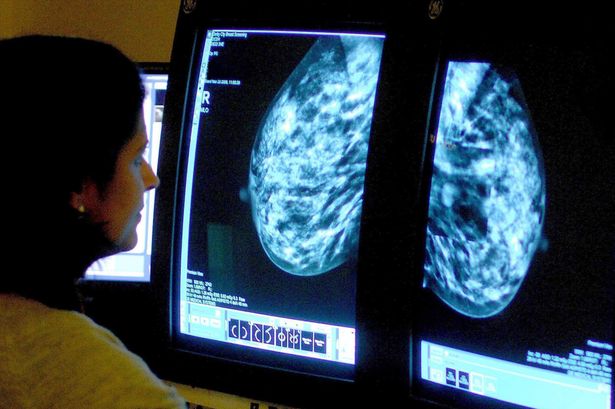
Leading the study, Dr. Hari Trivedi from Emory University in Atlanta, highlighted the importance of this research. He noted that heart disease remains the leading cause of death among women globally, yet many are often underdiagnosed and undertreated compared to men. Dr. Trivedi stated, “Mammograms, which women already undergo for breast cancer screening, can also reveal calcium deposits in breast arteries, linked to heart disease. We aimed to determine whether AI could utilize this data to identify women at risk of cardiovascular disease without additional cost or inconvenience.”
Researchers classified the calcification levels as severe, moderate, mild, or absent. They then compared these classifications with subsequent data on serious cardiovascular events, including strokes, heart attacks, and early mortality. Dr. Trivedi emphasized that the correlation between calcium levels and heart event risks was evident even in younger women under 50, a demographic typically regarded as low risk. This remained true after accounting for other risk factors, such as diabetes and smoking.
The implications of these findings are significant. For women, a routine mammogram could serve a dual purpose, providing essential insights into heart health and prompting discussions with healthcare providers about potential preventive measures, including cholesterol testing and medication.
Potential Impact on Women’s Health
This study suggests a practical method for clinicians to identify women at risk of cardiovascular issues who are currently overlooked. Policymakers might consider incorporating this AI technology into existing mammography programs, potentially reaching millions of women each year without necessitating additional infrastructure.
Dr. Sonya Babu-Narayan, clinical director at the British Heart Foundation and a consultant cardiologist, underscored the significance of these findings. She remarked, “Heart disease is the world’s biggest killer of not only men but also women. For many years, the BHF has highlighted that women are disproportionately unaware, unheard, underdiagnosed, and undertreated regarding heart health.”
Dr. Babu-Narayan continued, “It’s encouraging to see that using AI to leverage large-scale data from breast cancer screenings could help identify women at risk of future cardiovascular disease. If this approach is further validated, it could lead to improved and earlier prevention strategies, helping to flag those at the highest risk.”
The research findings were published in the European Heart Journal in March 2024, marking a significant step forward in both breast cancer and cardiovascular health screening. As AI technology continues to advance, it holds promise for enhancing women’s health outcomes globally.