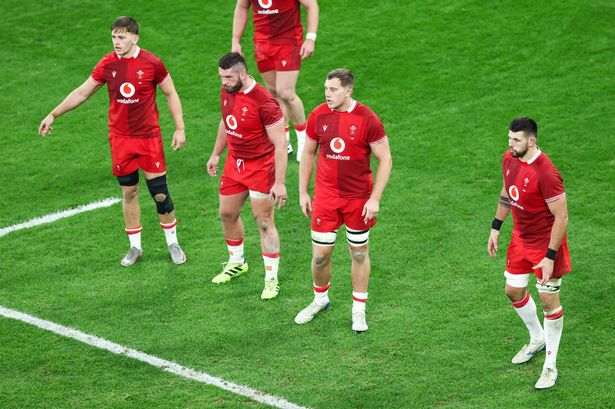
Wales rugby suffered a humiliating defeat against South Africa, losing 73-0 in a match that highlighted significant issues within the team and its management. The autumn campaign ended in disappointment for fans and players alike, with many questioning the decision to schedule such a high-stakes game outside of the international window.
Graham Price, a former Wales international, expressed his dismay over the fixture’s arrangement, suggesting that those responsible should experience the consequences firsthand. “Embarrassed” was how Richard Collier-Keywood, a prominent figure associated with Welsh rugby, described the outcome. Yet, Price believes the players felt a deeper sense of humiliation as they reflected on their performance, which may jeopardize their future in the sport amid ongoing restructuring within the Welsh Rugby Union (WRU).
In a statement, the WRU emphasized that the match had been planned well in advance and promoted it as a “special occasion” for fans to witness their team take on the world champion Springboks. However, the reality was far from celebratory, as Wales quickly fell behind, showcasing a stark disparity in skill and strength.
The game turned into what Price termed a “contest between men and boys,” with the Welsh side appearing overwhelmed by the physicality and intensity of their opponents. As the match progressed, it became evident that Wales was unable to provide any sort of challenge to South Africa, leading to a lopsided scoreline that reflected deeper issues within the team’s structure and preparation.
Coaching and Structural Concerns
The responsibility for addressing these shortcomings lies with the coaching staff, particularly Steve Tandy, the National Coach. Price pointed out that Tandy can only work with the talent available, and the current state of the forwards raises serious questions about the overall coaching framework.
The performances throughout the autumn series have revealed a troubling pattern, particularly in the forwards. Dave Redding, who oversees coaching and player development, must prioritize the enhancement of the forward pack, which has consistently underperformed. The glaring issues in the front row were particularly evident in the match against South Africa, a team renowned for producing powerful tight forwards who excel in scrummaging.
Price highlighted that South Africa’s rugby system is adept at identifying and nurturing talent in this area, ensuring that their props are not only skilled but also understand the fundamental importance of their roles. In contrast, Welsh rugby seems to be fixated on finding the next Gethin Jenkins rather than developing a more rounded approach that includes robust scrummaging capabilities akin to those of Adam Jones.
Future Directions for Welsh Rugby
The current strategy risks overlooking the diverse skill set necessary for a successful front row. As Price pointed out, while Jenkins was celebrated for his versatility, it was Jones’s ability to anchor the scrum that provided a crucial platform for the Welsh backline to thrive. The stability of the scrum directly affects a team’s overall performance, and without it, players like Shane Williams and Mike Phillips cannot execute their strategies effectively.
As Wales aims to rebuild, it is essential for Redding to adopt a visionary approach that addresses the systemic flaws that have plagued Welsh rugby. The restructuring process must focus on cultivating a new generation of forwards who can compete effectively on the international stage.
The disappointing defeat against South Africa serves as a wake-up call, underscoring the urgent need for change within the Welsh rugby framework. The path forward will require commitment and innovation to ensure that Wales can regain its competitive edge and restore pride in its national team. Fans and stakeholders alike will be watching closely as Redding and his team work to rectify the challenges that have emerged from this autumn’s campaign.