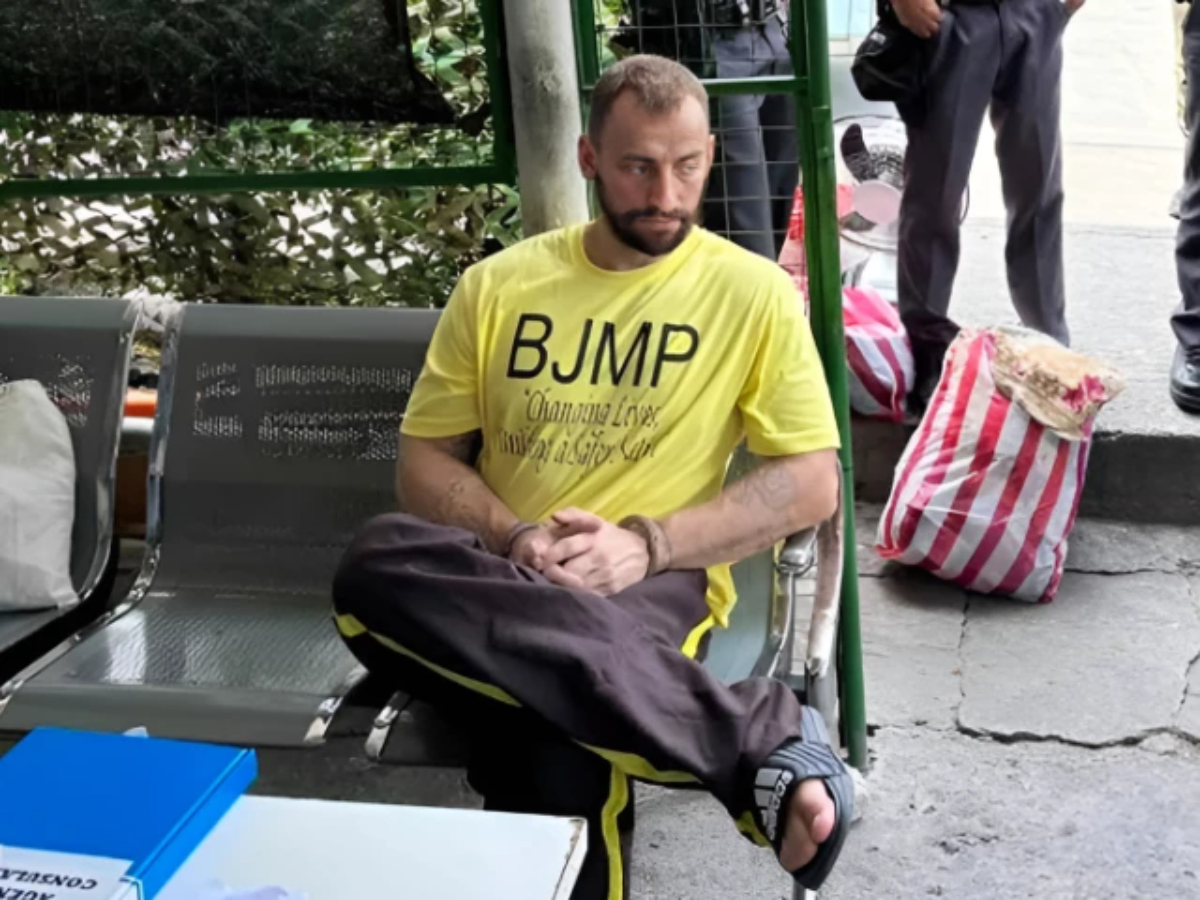
Russian-American YouTuber Vitaly Zdorovetskiy remains in custody in the Philippines as reports circulate on social media about his emotional state and pleas for release. Allegations suggest that he has been “begging” for freedom and has expressed remorse to fellow inmates for any disruption caused during his time in detention. While these claims have gained traction online, they lack verification from the Bureau of Immigration (BI) or independent media sources.
The situation surrounding Zdorovetskiy has captured significant public interest, largely due to his substantial online following. Observers note that detention conditions for foreign nationals in the Philippines can be severe, often characterized by overcrowding and prolonged legal proceedings. These factors contribute to considerable stress for those categorized as “undesirable aliens.” Zdorovetskiy’s case is particularly complex, as he faces multiple criminal charges and is undergoing deportation processes. Consequently, securing bail for local charges does not guarantee his release while immigration issues remain unresolved.
Reports originating from a Facebook post claim that Zdorovetskiy appeared “visibly shaken” and expressed a promise never to act “wild” again. No official confirmation of these statements has been issued by the BI, local media, or Zdorovetskiy’s legal representatives. The unverified nature of these claims underscores the psychological pressure detainees often experience, although they must be treated with caution until substantiated by credible sources.
Zdorovetskiy was initially detained in early April 2025, following his arrest in Pasay City under a BI mission order, which categorized him as an “undesirable foreign national.” On June 11, he was transferred from BI custody to the Bureau of Jail Management and Penology (BJMP) as his criminal cases progressed. After posting bail later that month, he returned to BI detention on June 18 at Camp Bagong Diwa in Taguig. Authorities have reiterated that his status as an “undesirable alien” remains active, preventing his release until all legal and immigration matters are conclusively resolved.
Zdorovetskiy’s detention raises broader concerns about the systemic challenges faced by immigration detention facilities in the Philippines. The older BI facility in Bicutan has been criticized for extreme overcrowding, often housing more than 400 detainees despite its design capacity of around 140. In July 2025, the BI announced a new detention centre within the compound of the New Bilibid Prison in Muntinlupa, specifically for foreign detainees awaiting deportation or related proceedings. This facility is planned to initially accommodate 450 individuals, with future expansions aimed at easing the congestion experienced in older centres.
The allegations of Zdorovetskiy begging for release and apologising reflect the anxiety and uncertainty that detainees frequently endure. However, as these claims are derived solely from social media, they should be approached with skepticism. Until credible testimonies or official documentation emerge, these reports remain anecdotal.
As it stands, Zdorovetskiy continues to reside in BI custody, with his future hinging on the outcomes of his criminal trials and ongoing deportation proceedings. The unfolding situation not only captivates public attention but also highlights the pressing need for reform within the Philippine immigration system.