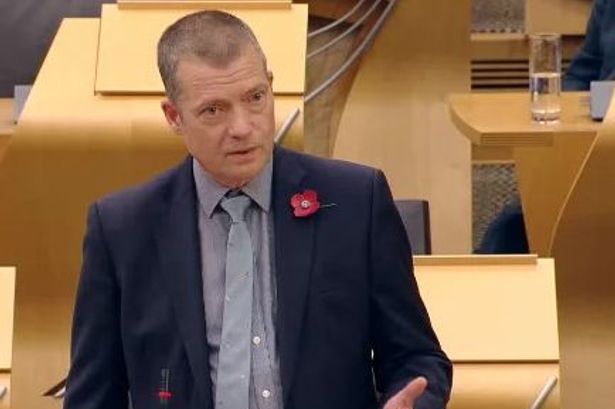
A former special forces soldier has raised alarming concerns regarding the potential vulnerabilities facing the United Kingdom due to ongoing legal actions against SAS veterans. Robert Craft, a veteran of the SAS and Parachute Regiment, warns that the implications of new legacy legislation could compromise national security and decrease the effectiveness of special forces recruitment.
The contentious Northern Ireland Troubles Bill, which is currently progressing through Parliament, aims to provide protections for veterans while allowing families to seek the truth about past events. However, veterans like Craft assert that the proposed measures do not adequately shield SAS members from potential legal pursuits years after their service. Craft, who served for ten years in the Parachute Regiment and fourteen years in the SAS, emphasizes that recruitment numbers have already been impacted by these legacy cases, leading to a worrying trend of undermanning within the ranks.
Craft, now 68, explained, “At such a dangerous time as this, with so many war risks ongoing, the threat from Russia could be putting the UK in peril.” He highlighted the ongoing operations that the SAS is conducting to ensure national safety, stating, “You are going to need the SAS on the ground.”
The SAS Association is currently contemplating legal action against the government in response to the new bill. They argue that it not only fails to protect veterans adequately but also creates a framework that could lead to further investigations into actions taken by soldiers during the Troubles in Northern Ireland. Under the 1998 Good Friday Agreement, many individuals involved in terrorism received “comfort letters,” which protect them from prosecution, raising questions about the fairness of the legal landscape for SAS veterans.
A recent internal memo from the SAS Association expresses profound frustrations, stating that veterans are “being put through the wringer with no end in sight.” This sentiment reflects a broader concern that former soldiers are facing legal scrutiny while those aligned with terrorist activities are not subject to the same level of investigation.
Craft elaborated on the challenges faced by veterans, pointing to a recent report which indicated that former members of the Royal Ulster Constabulary (RUC) or the Army are “54 times more likely to be investigated than a terrorist.” He noted that the chances of securing convictions after several decades are extremely low, further complicating the pursuit of justice for past actions.
The SAS Association is pushing for a judicial review to ensure that their members are not unfairly treated in comparison to actual terrorists. Craft argues that the government should collaborate with veterans to form an advisory panel that can provide valuable insights into the complexities of historical operations.
He emphasized the long-lasting effects of these legal challenges on morale and recruitment. “Some of the recruitment issues the SAS suffers will have been influenced by all of this,” Craft said. “It’s mistrust of the government.”
In detailing the operational protocols that governed SAS missions, Craft explained that each operation involving potential lethal force required authorization from the highest levels of government, including the Prime Minister. He stated, “All operations with the potential for lethal force were authorized by the PM,” underscoring the accountability and oversight that existed during their deployments.
As the SAS continues to face scrutiny from both the public and government, the impact of these legal challenges could extend beyond recruitment issues. Craft expressed concern about the perception of the UK’s special forces on the global stage, stating that allies, including American special forces, are perplexed by the government’s actions against those who protect national security.
A spokesperson for the UK Government defended the new legislation, asserting that it provides “six lawful and deliverable protections” designed with input from veterans to ensure their needs are met. They acknowledged the strong feelings within the defense community and emphasized their commitment to veterans of Operation Banner.
As debates surrounding the Northern Ireland Troubles Bill continue, the implications for veterans and national security remain a pressing issue. The conversation around how to balance accountability with protection for those who served in complex and dangerous environments is ongoing. The situation highlights the need for a nuanced understanding of the historical context and the realities faced by veterans like Craft, who played a crucial role in safeguarding the nation.