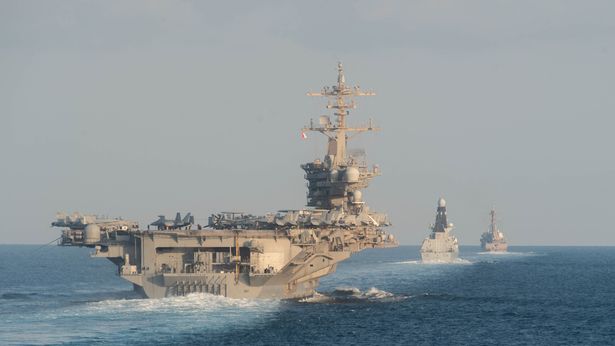
The US Navy successfully intercepted an Iranian drone on March 15, 2024, as it approached the aircraft carrier USS Abraham Lincoln. The drone, identified as a Shahed-139, was shot down by an F-35 fighter jet during a routine mission in the region. The incident highlights rising tensions in the area amid ongoing concerns over military engagements.
The interception occurred in the waters of the Persian Gulf, a strategic maritime route that has seen increased military activity. According to reports from Reuters, the drone posed a potential threat as it moved closer to the US naval vessel. The rapid response by the F-35 underscores the US military’s preparedness to engage with threats in the region.
Rising Military Tensions
The incident reflects a broader context of escalating tensions between the United States and Iran. In recent months, there have been numerous encounters between US forces and Iranian military assets, raising fears of a potential conflict. The USS Abraham Lincoln, an aircraft carrier known for its significant operational capabilities, has been a central figure in US naval presence in the region.
Iran has previously deployed various unmanned aerial vehicles in military operations, often for reconnaissance or surveillance purposes. The use of the Shahed-139 drone marks a continuation of this strategy, which has drawn scrutiny from US defense officials. While this drone was neutralized without further incident, the situation serves as a reminder of the volatile dynamics at play.
Implications for Regional Security
The downing of the drone may have several implications for regional security dynamics. Analysts suggest it could lead to increased military vigilance among US forces and their allies. The US Navy has maintained a robust presence in the Gulf region, primarily to ensure the safety of maritime commerce and deter aggressive actions from states like Iran.
In light of this incident, military experts emphasize the importance of clear communication and protocols to avoid miscalculations that could escalate into larger conflicts. As both nations navigate their strategic interests, the potential for further confrontations remains a serious concern.
The US Navy’s decisive action today serves as both a protective measure and a statement of commitment to maintaining security in international waters. As tensions continue to rise, the focus will remain on diplomatic efforts to de-escalate the situation and prevent further military encounters.