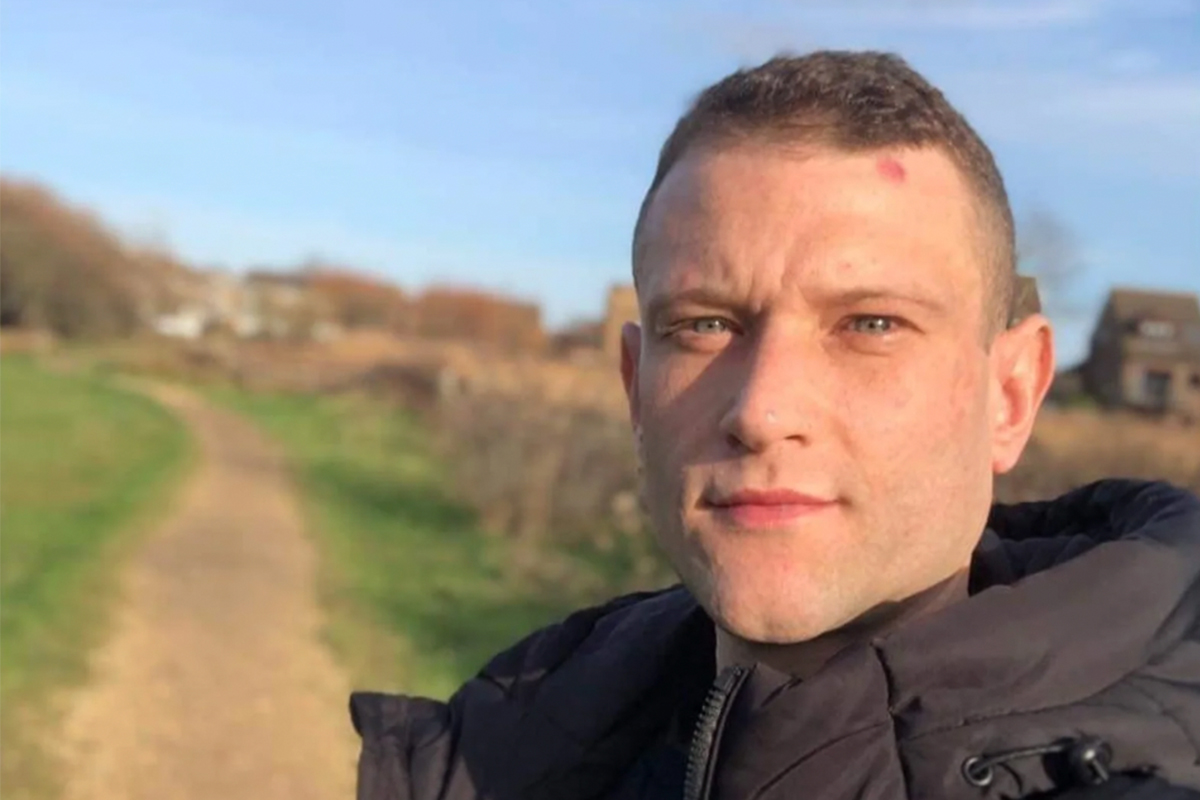
A court in the United Kingdom has sentenced a man to 18 months in prison for posting racist tweets that were seen only 33 times. Luke Yarwood, 36, from Dorset, pleaded guilty to two counts of publishing material intended to incite racial hatred. The tweets were created in the wake of an attack at a Christmas market in Magdeburg, Germany, in December 2024, which had sparked a wave of misinformation online.
The court found that despite the limited visibility of Yarwood’s tweets, their content crossed a legal threshold due to explicit calls for violence against asylum seekers. In one tweet, Yarwood urged individuals to burn down hotels housing asylum seekers. In another, he incited violence against migrant accommodations, Members of Parliament’s homes, and Parliament itself. Prosecutors described these tweets as part of a broader pattern of hostile online activity over a month.
While the two tweets garnered minimal attention, with a combined view count of just 33, prosecutors noted that other posts from the same period received over 800 views. Furthermore, Yarwood interacted with larger accounts, including those associated with GB News, which have a much wider reach.
Legal Implications and Community Safety
Judge Jonathan Fuller KC dismissed Yarwood’s defense that the low view count diminished the seriousness of his actions. He emphasized that freedom of speech in the UK is a qualified right and does not extend to promoting violence or inciting racial hatred. The judge characterized the tweets as “odious in the extreme,” highlighting their potential to undermine community safety and stability, irrespective of their initial audience size.
The case details were further corroborated by coverage from GB News, which reported that Yarwood exhibited a fixation on immigrants and Islam during the timeframe of his offending posts. Yarwood’s defense argued that the tweets were impulsive expressions from a socially isolated individual with fragile mental health. They contended that the posts had not resulted in any real-world consequences, noting that they were reported to authorities by Yarwood’s brother-in-law after a family dispute. The defense claimed that Yarwood no longer held such views and accepted that his comments were ignorant and offensive.
Despite these arguments, Judge Fuller concluded that immediate custody was warranted due to the explicit nature of the violence incitement.
Public Reaction and Broader Implications
The case has drawn comparisons to that of Lucy Connolly, who was sentenced in 2024 for similar incitement, specifically after suggesting that asylum hotels should be burned following a violent incident in Southport. Although officials acknowledged that the immediate risk of disorder was lower in Yarwood’s case, they underscored ongoing tensions surrounding asylum accommodations throughout the UK.
Prosecutors informed the court that protests outside migrant hotels continue to necessitate police presence and that inflammatory online rhetoric can result in tangible harm, regardless of the initial reach of such messages. The sentence has raised critical questions about the balance between free expression and public safety in an increasingly digital landscape. Critics argue that jailing an individual for tweets with a minimal audience risks criminalizing speech rather than addressing underlying intent.
Supporters of the ruling contend that calls for violence should not be dismissed based on audience size alone. Legal experts affirm that this case reinforces a crucial principle in UK law, focusing on content and intent rather than popularity. A post designed to incite violence remains unlawful, irrespective of the number of views it receives.
This ruling sends a clear message regarding how UK courts regard online incitement. Social media posts are considered public acts, and limited engagement does not exempt authors from legal accountability. As online platforms continue to influence public discourse, this case will likely serve as a reference point for future legal matters involving extremist or violent rhetoric. The decision has firmly reintroduced the complex dynamics of free speech and community safety into the national dialogue.