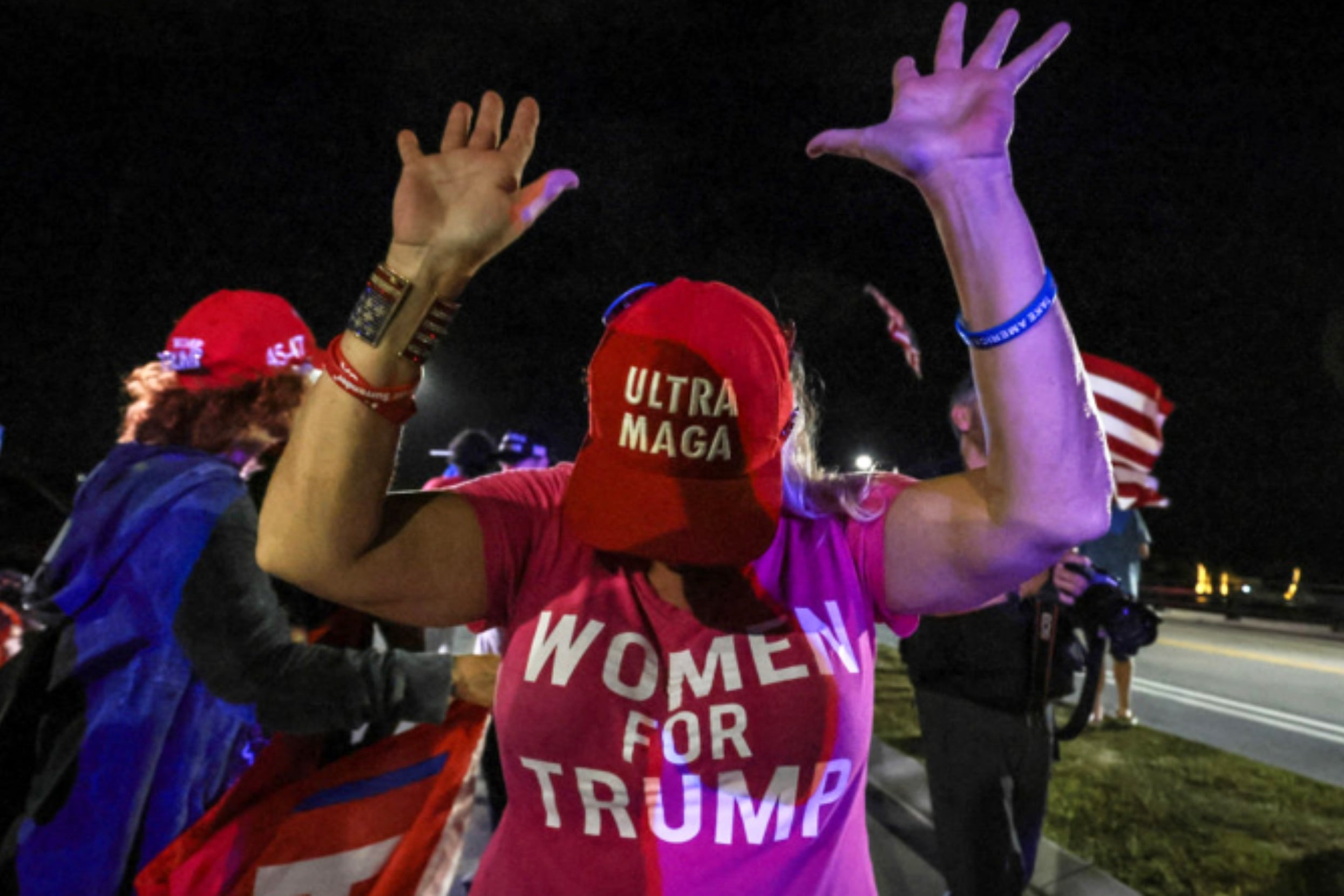
In recent discussions, supporters of former President Donald Trump have articulated a list of issues they assert they did not endorse during his presidency. This sentiment has surfaced as political tensions continue in the United States, particularly following the 2020 election and the events surrounding the January 6, 2021Economic Policies Under Scrutiny
Economic policies are another area where Trump supporters are making distinctions. While many backed his administration’s tax cuts, they claim they did not support the lack of focus on job creation in certain sectors. Critics within this group point to the struggles faced by industries such as manufacturing and traditional energy, arguing that the benefits of tax cuts did not trickle down as intended. Moreover, the handling of the Affordable Care Act is a contentious issue. Some Trump supporters state they did not vote for efforts to repeal this healthcare legislation without a solid replacement. They emphasize the importance of healthcare access and express frustration over the lack of a coherent plan that addresses their needs. Immigration remains a hot-button topic, with many supporters indicating that they did not endorse the harsh measures implemented during Trump’s presidency. While they support border security, they express concerns about the humanitarian impact of certain policies, including family separations at the border. This group emphasizes a balanced approach that upholds national security while respecting human rights. In addition, many supporters have shared their dissatisfaction with the way the administration handled international relations, particularly with allies. They argue that Trump’s often confrontational stance may have undermined longstanding partnerships, leading to a more isolated U.S. presence on the global stage. The recent shift in political dynamics, especially with the inauguration of Joe Biden as President, has prompted many Trump supporters to reevaluate their positions. They are now vocalizing the aspects of Trump’s presidency they believe were misrepresented or not aligned with their values, fostering a dialogue about the future of the Republican Party and its direction. This ongoing discussion highlights the complexity of political identities and the nuances within the support for Trump. As the political landscape evolves, it remains to be seen how these sentiments will shape future elections and party strategies.Immigration Policies and Their Implications
Trump Supporters Reveal Key Issues They Claim Not to Endorse