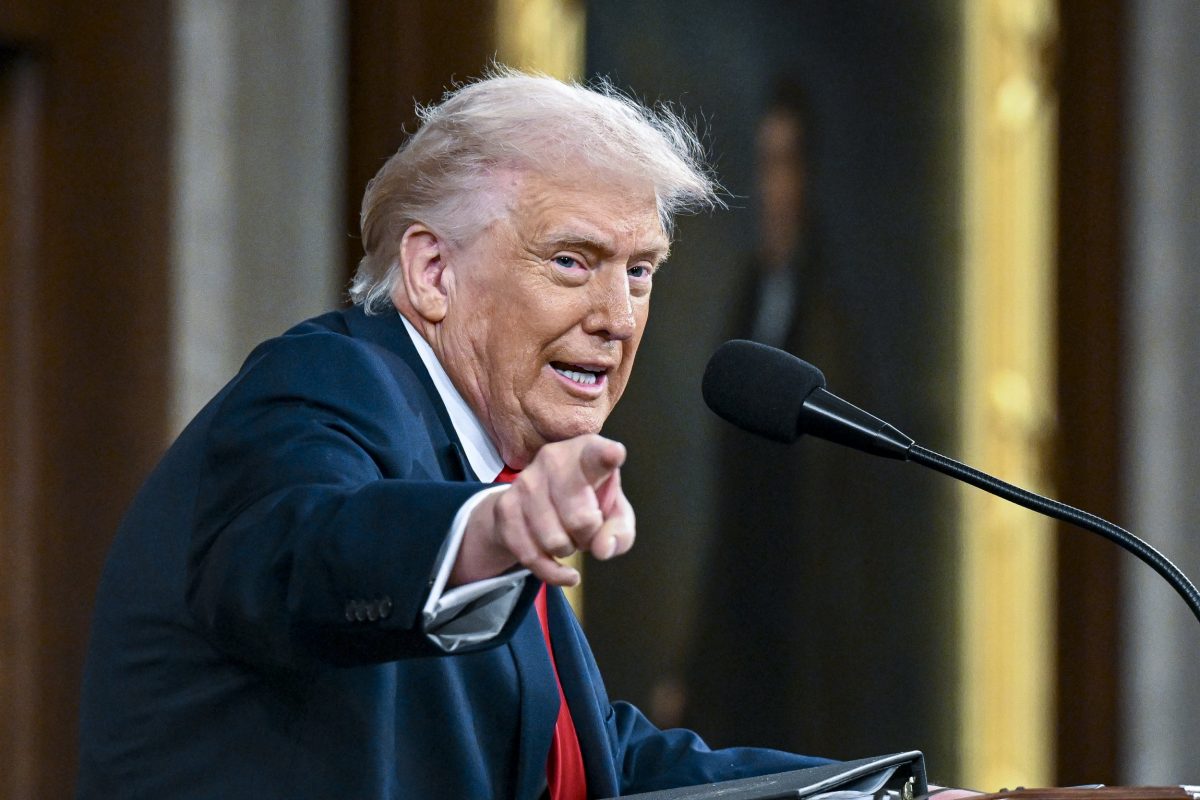
In a recent address, Donald Trump delivered the longest State of the Union speech in history, lasting an impressive 1 hour and 47 minutes. This annual event serves as a critical moment for the President to communicate the state of the nation to both citizens and the world. Yet, while Trump’s speech showcased his unique speaking style known as “the weave,” which connects various topics in a stream of consciousness, it raised questions about the effectiveness of modern political oratory.
The Importance of Delivery in Public Speaking
Reflecting on personal experiences, one can appreciate the power of words and delivery in shaping an audience’s perception. From a young age, many are taught the art of public speaking, often through informal family gatherings. For instance, writing and performing speeches at family events teaches how to engage a crowd, weave in humor, and convey meaningful messages. This foundation can translate into professional settings, as seen in news broadcasting.
Effective communication goes beyond simply reading words off a page. It involves imparting the meaning and emotion behind those words. As broadcasters convey news, they too are performers, aiming to resonate with their audience. The ability to captivate and hold attention is a skill that remains vital, particularly in an era dominated by brief digital interactions.
Trump’s recent State of the Union address is a case in point. Despite the lengthy duration, the speech may not be remembered for its impact or eloquence. In contrast, historical speeches such as Martin Luther King’s “I Have a Dream,” Nelson Mandela’s “I’m Prepared to Die,” and Michelle Obama’s 2008 National Convention Speech have left lasting impressions due to their powerful delivery and profound messages.
The Current Landscape of Political Oratory
As society progresses, the need for compelling oratory remains essential. Political leaders are often expected to inspire and motivate through their words. Yet, many fail to engage effectively, leaving audiences unfulfilled. The question arises: who truly excels at speech writing and delivery among contemporary leaders? Who manages to draw listeners in and leave them with thought-provoking messages?
Despite advancements in technology that may distract from traditional forms of communication, the impact of spoken words endures. The ability to command a room and connect with an audience holds significant value, whether for a public figure or an individual sharing personal experiences.
This sentiment resonates across generations. Teaching children the importance of clear communication fosters confidence and connection in a world increasingly reliant on digital interaction. For instance, an eight-year-old boy named Alfie recently delivered a heartfelt reading at his grandfather’s funeral service, speaking eloquently in front of 500 people. This powerful moment highlighted the lasting impression that effective speaking can have on both the speaker and the audience.
In conclusion, whether one is addressing a nation or speaking in front of family, the art of oratory remains invaluable. As we navigate an era defined by technology and fleeting attention spans, it is crucial to rekindle a passion for the spoken word. The beauty and power of effective communication should not be overlooked, reminding us of its significance in both personal and public life.