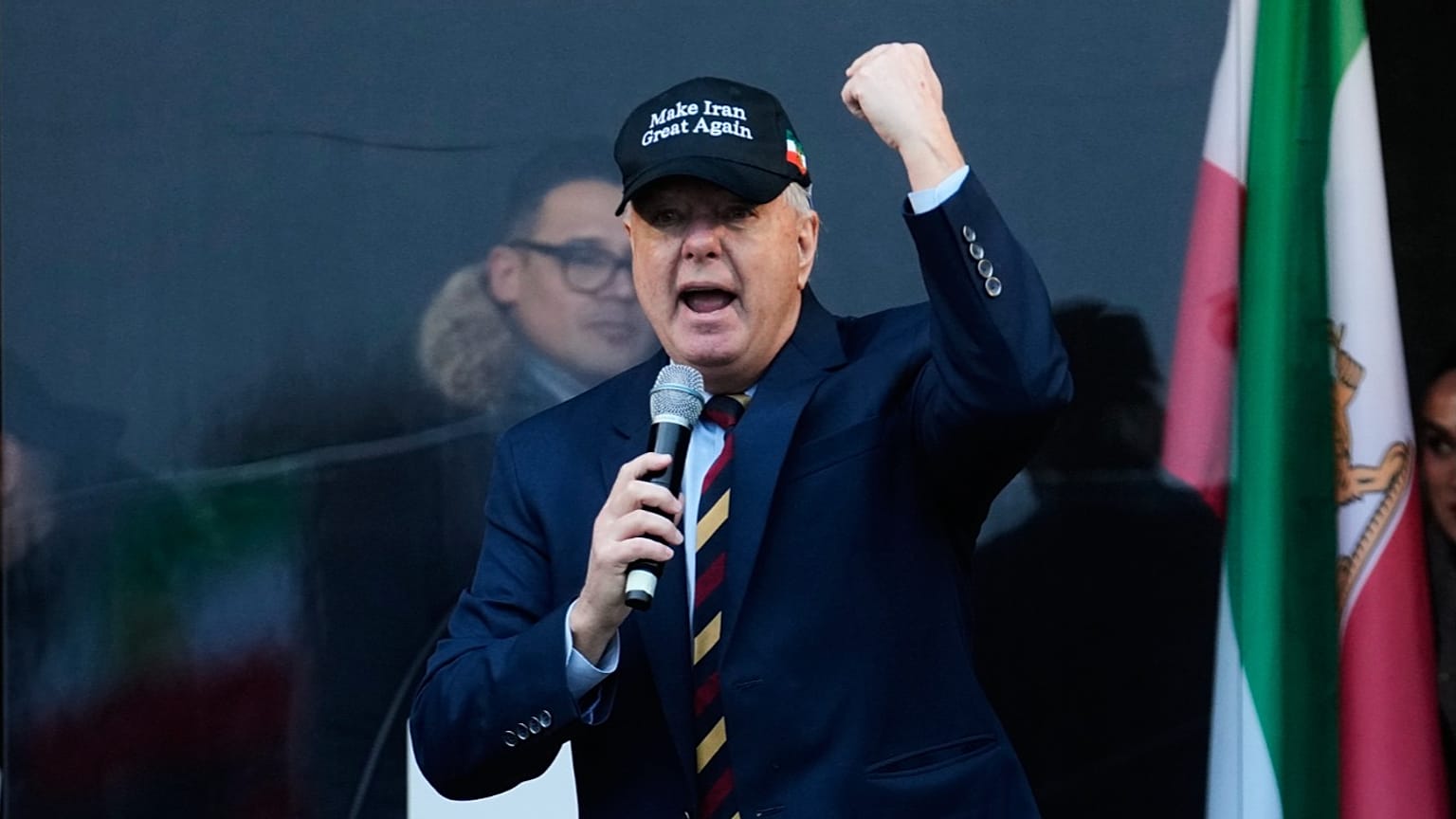
Tensions in the Gulf region have prompted US Republican Senator Lindsey Graham to call for improved relations between Saudi Arabia and the United Arab Emirates. Speaking at the Munich Security Conference on March 15, 2024, Graham warned that ongoing disputes could inadvertently bolster Iran‘s influence in the area, a concern that resonates deeply amid rising uncertainties in the Middle East.
Graham emphasized the importance of unity among Gulf allies, stating, “Don’t let this moment pass. Be smart, but don’t be locked down with fear. Knock it off. You’re emboldening Iran by having this conflict.” His remarks reflect Washington’s worries that visible rifts among key regional players could undermine US efforts to maintain a cohesive stance against the Tehran regime.
Regional Disputes Strain Alliances
The recent tensions between Saudi Arabia and the UAE have primarily surfaced over issues of influence in Sudan and the Horn of Africa. Although both nations generally align on their approach to Iran, their differing strategies in local conflicts, particularly in Yemen and Sudan, have created friction. In these regions, Saudi Arabia and the UAE share similar objectives but support competing local factions, complicating their coordination.
Graham’s warning underscores the critical nature of solidarity against Iran at this juncture. While Saudi Arabia and the UAE maintain a united front on Iran policy, their independent objectives in other areas could pose risks. This situation is compounded by Tehran’s active engagement across the Middle East, which can exploit any disunity among its adversaries.
US Military Presence and Regional Stability
In response to the evolving landscape, the United States has bolstered its military presence in the Gulf. Reports indicate that Washington has deployed a second aircraft carrier and tens of thousands of troops, preparing for potential extended operations against Iran should nuclear negotiations fail. The US administration remains committed to supporting its Gulf allies, as evidenced by these military maneuvers.
Tehran has expressed a willingness to engage in discussions, provided that all sanctions are addressed. Despite this, it has also cautioned that any conflict would have detrimental effects on the entire region. Saudi Arabia and the UAE continue to align themselves with US interests, recognizing that maintaining a unified front against Iran is essential for regional stability.
The implications of Graham’s message are clear: while Riyadh and Abu Dhabi pursue their own agendas, fostering unity on Iran is paramount for US strategy and the broader security landscape in the Gulf. The stakes are high, and the actions taken in the coming months will play a significant role in shaping the future dynamics of Middle Eastern geopolitics.