Russian hybrid warfare, often referred to as “gray zone” conflict, has emerged as a significant strategy in international relations, especially in the wake of the **2022 invasion of Ukraine**. This approach has moved from a theoretical framework to a tangible reality, marked by the Kremlin’s extensive use of sabotage, disinformation, and intelligence operations across Europe and the United States. Understanding the foundations of this strategy, its historical context, and its implications is essential for comprehending contemporary security challenges.
The term “gray zone” generally describes actions that influence the course of a conflict without escalating to direct military engagement. Central to Russian gray zone tactics is the concept of “non-contact war” (bezkontaktnaya voina), which fits into a broader doctrine known in Russia as “new generation warfare.” This notion has developed significantly over the past three decades, shaped by the unique challenges faced by the Russian military and its intelligence agencies.
Defining Non-Contact Warfare
Non-contact warfare has its roots in what Russian military thinkers term sixth-generation warfare. This concept evolved from the “reconnaissance-strike complex” theory and the “revolution in military affairs” that emerged at the conclusion of the Cold War. Following the collapse of the Soviet Union, Russian military leaders recognized that they could not compete with NATO’s advanced air capabilities demonstrated during the **1991 Gulf War**.
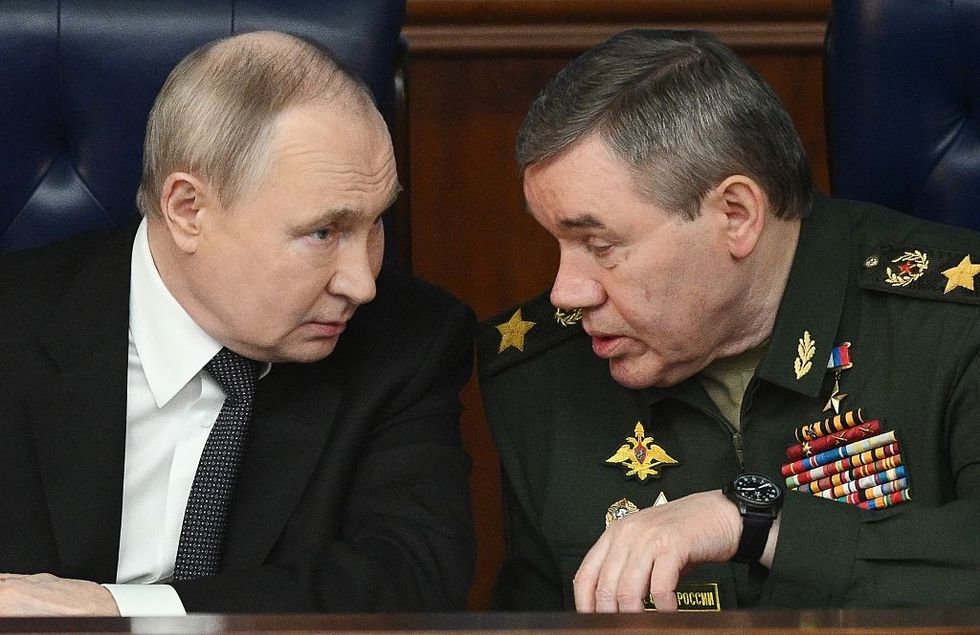
Russian strategists, including prominent figures like **General Valeriy Gerasimov**, acknowledged that traditional massed formations were ineffective against modern warfare’s demands. They realized that Russia’s military could not match NATO’s technological advancements and tactical training, especially as military budgets dwindled post-Soviet Union. This acknowledgment led to a paradigm shift within the Russian military establishment, emphasizing the need for innovative approaches to warfare.
According to General **Yevgeny Slipchenko**, who coined the term “sixth generation warfare” over twenty years ago, the future of combat lies in information-driven, precision-strike capabilities rather than large ground forces. His insights, along with the writings of General **Mikhail Gareev**, highlighted the necessity for Russia to adopt non-contact warfare strategies to survive in an increasingly complex security environment.
Active Measures and Intelligence Operations
The second critical component of Russian gray warfare involves the use of active measures, which are tactics designed to undermine an adversary’s capacity to fight through disinformation and political manipulation. These measures have historical roots within Russian intelligence circles and have expanded to include new dimensions such as cyber operations and cognitive warfare.
The Russian intelligence services, namely the **FSB**, **GRU**, and **SVR**, play pivotal roles in executing these strategies. They employ both state and non-state actors, including organized crime and private mercenaries, to conduct operations that support Russia’s hybrid tactics. This method of warfare gained prominence during **Putin’s tenure**, particularly following the **2008 conflict with Georgia**, where Russian intelligence successfully shaped the narrative around the conflict to its advantage.
During the Georgia war, Russian forces faced challenges in conventional military engagements, yet their intelligence operations proved effective. The Kremlin flooded international media with narratives depicting atrocities allegedly committed by Georgian forces. This strategic use of information not only misled public perception but also enabled Russia to conduct military operations without facing substantial repercussions from the international community.
The development of hybrid warfare concepts has continued to evolve, particularly through the contributions of military thinkers like General Chekinov and General Bogdanov. Their work on “new-generation warfare” emphasizes the importance of information operations and cyber capabilities while downplaying traditional combat methods. In **2013**, General Gerasimov further articulated the need for ongoing information operations to weaken adversaries, a concept that has since been referred to as the “Gerasimov doctrine” in some Western circles.
As Russia continues to refine its approach to hybrid warfare, it remains evident that the interplay between intelligence operations and military actions will be critical in shaping future conflicts. The application of these strategies in the ongoing situation in Ukraine underscores the importance of understanding the complexities of Russia’s gray zone tactics.
In summary, the evolution of Russian hybrid warfare reflects a strategic response to the challenges posed by NATO and the United States. By embracing non-contact warfare and leveraging intelligence operations, Russia has crafted a multifaceted approach to conflict that seeks to achieve its objectives while minimizing direct confrontation. As geopolitical tensions persist, analyzing these tactics will be essential for nations seeking to counter Russian influence and protect their interests in an increasingly contested global landscape.