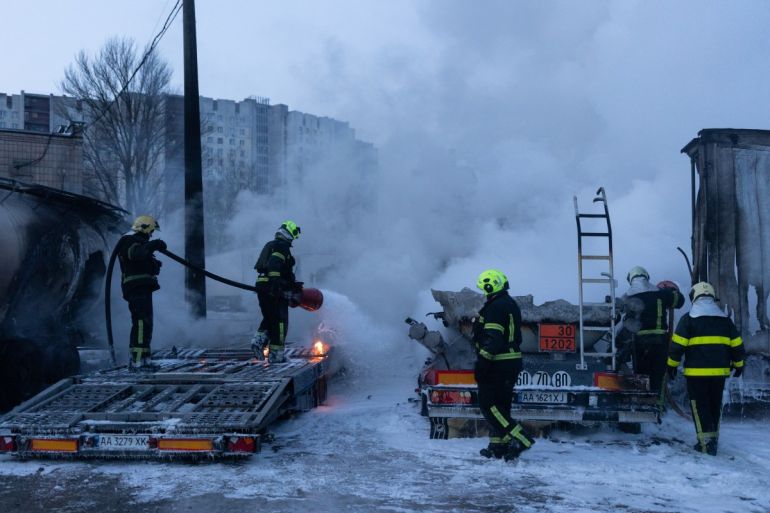
As winter intensifies in Ukraine, Vladimir Putin has shifted his strategy to target civilian energy infrastructure. Unable to achieve a decisive victory on the battlefield, Russia is now systematically attacking power stations, substations, and heating networks, aiming to demoralize the Ukrainian population. This campaign is reminiscent of previous winters, as the Kremlin seeks to fracture the spirit of ordinary Ukrainians by plunging them into darkness and cold.
In a stark contradiction to his earlier claims of wanting to “protect” civilians, Putin’s actions have turned these very individuals into deliberate targets. The attacks extend to critical infrastructure, including nuclear facilities, underscoring the brutal reality of the situation. The financial resources devoted to this strategy are significant, with billions being spent on missiles and drones. The goal appears to be a psychological one: to exhaust the population and force capitulation.
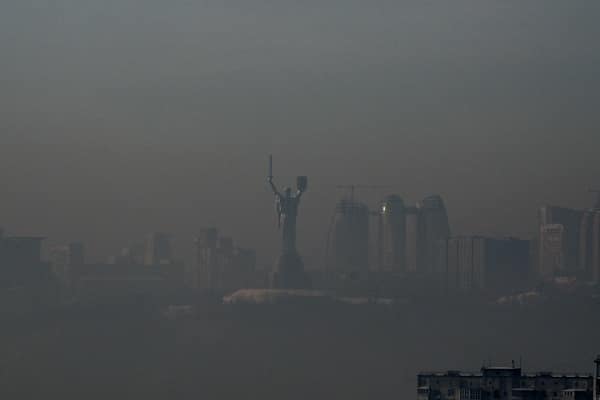
Kyiv’s mayor, Vitali Klitschko, has issued grave warnings about the humanitarian crisis unfolding in the capital. He described the situation as bordering on catastrophe, stating that “Russians want to create a humanitarian catastrophe in our native city, to make people freeze in winter.” Repeated strikes have severely damaged the energy system, leaving thousands of homes without adequate heating. As of January 2023, approximately 600,000 people have fled Kyiv, many following Klitschko’s advice to seek refuge in areas with more reliable services.
The broader humanitarian impact is staggering. According to the United Nations High Commissioner for Refugees, around 5.7 million Ukrainians have registered as refugees in various countries since the invasion began. Many others find themselves displaced within Ukraine, facing dire conditions as they navigate a winter marked by ongoing conflict.
Despite the immense costs of these military operations, which utilize stockpiles of missiles and drones—often assembled with foreign components—the effectiveness of such strikes remains questionable. Ukrainian engineers are rapidly repairing damaged infrastructure, rendering many attacks temporary. Each missile strike incurs substantial costs for limited and reversible gains. The Kremlin continues this strategy, seemingly undeterred, as the objective transcends mere physical destruction; it aims to instill a sense of hopelessness among the Ukrainian populace.
The political backdrop complicates the situation further. While Russia intensifies its assault on Ukrainian civilians, recent signals from the American administration suggest a readiness to “normalize” relations with Moscow. This rhetoric risks downplaying the severe suffering inflicted on civilians. The notion of normalization implies that missile strikes, energy blackouts, and forced displacement might be regarded as negotiable or forgettable, creating a jarring disconnect for Ukrainians enduring harsh winter conditions.
Winter has historically been a weapon in Russian military strategy. What distinguishes the current situation is the clarity of Russia’s intent to target civilians and the lack of significant international response to these actions. The suffering of the Ukrainian people cannot be ignored, even as discussions of diplomatic solutions unfold. As winter deepens, the reality for many remains grim, with Putin’s war focused on breaking the will of the Ukrainian people, rather than any pretense of protection.