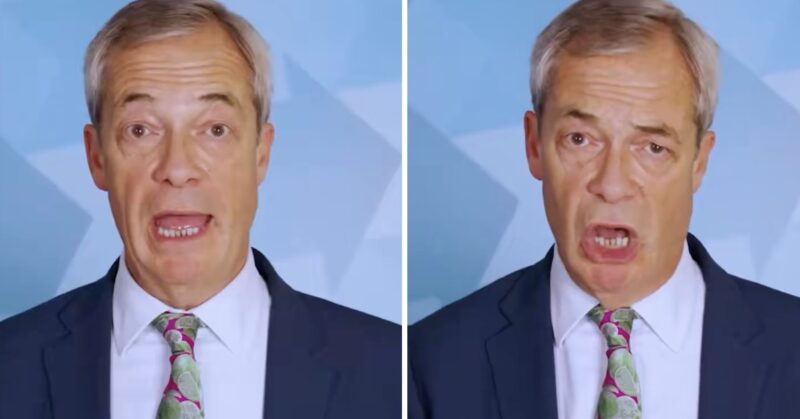
Nigel Farage, leader of the Reform UK party, has ignited controversy by expressing his discontent with the linguistic diversity among children in Glasgow. He stated that nearly one in three schoolchildren in the city do not have English as their first language and called this a form of “culture smashing.” The remarks were made in a social media post on December 2, 2025, where he emphasized his belief in promoting English over other languages.
Farage’s comments have received widespread criticism from various quarters, with many defending the multilingual abilities of Glasgow’s youth. In his post, he highlighted the statistic that 33% of Glasgow’s schoolchildren speak languages other than English at home, suggesting that this situation poses a threat to cultural identity. “This is not diversity,” he asserted, indicating that he would prioritize this issue in future campaign strategies.
Public Reaction and Criticism
The backlash against Farage’s statements has been swift and vocal. Many social media users have taken to platforms to express their dismay, with some praising the intelligence of bilingual children. One user remarked, “Nearly one in three schoolchildren in Glasgow are intelligent enough to be able to speak more than one language, fantastic.” Others criticized Farage’s stance as outdated and out of touch with modern society.
Several prominent figures and citizens of Glasgow voiced their opinions. One resident stated, “I grew up amongst these people and wouldn’t have changed it for the world.” This sentiment reflects a broader appreciation for the cultural richness that multilingualism brings to the community.
Implications for Cultural Identity
Farage’s comments have raised questions about his views on cultural identity and language preservation. Critics have pointed out that promoting a singular language can undermine the value of Scotland’s diverse linguistic heritage. Many have highlighted that languages such as Polish, Urdu, Arabic, and various regional dialects like Scots are integral parts of the community’s fabric.
The debate surrounding this issue underscores a growing concern about language and identity in a multicultural society. As Glasgow continues to evolve into a more diverse city, the importance of embracing multilingualism is becoming increasingly apparent. The backlash against Farage’s comments illustrates a significant resistance to the notion of diminishing cultural diversity in favor of a single language.
Overall, Farage’s statements have opened the floor for crucial discussions on language, identity, and the value of embracing a multicultural society in the United Kingdom, particularly in cities like Glasgow.