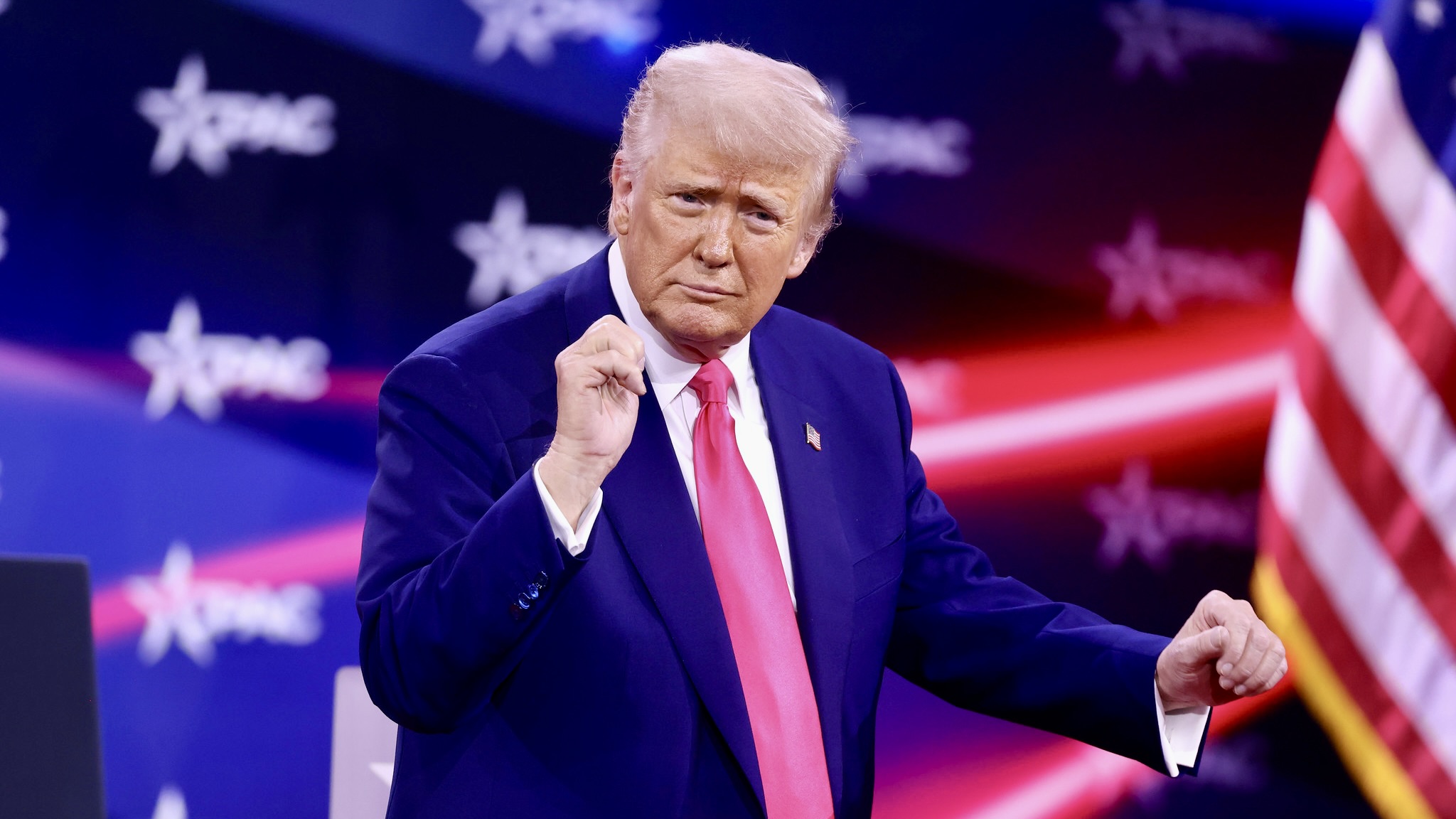
Nearly half of Americans now consider former President Donald Trump to be ‘corrupt’, reflecting deepening concerns amid his ongoing legal challenges and a divided electorate. A recent survey conducted by YouGov for The Economist indicates that 49% of respondents attribute this label to Trump, highlighting the persistent impact of numerous investigations and legal actions against him.
This significant finding emerges as public trust and candidate integrity become crucial factors in the lead-up to the 2026 election cycle. The poll illustrates a stark perception among independent voters, who are increasingly skeptical, and a nearly unanimous sentiment among Democrats. The survey included a nationally representative sample of adult citizens across the United States, with a margin of error of approximately three percentage points.
In the context of American politics, the term ‘corrupt’ carries considerable legal and ethical implications. It suggests abuse of power, self-dealing, and obstruction, all of which resonate with the accusations Trump faces. Since leaving the White House on January 20, 2021, Trump has encountered multiple legal challenges, including a high-profile ruling by a New York jury.
On May 30, 2024, a jury in the Supreme Court of the State of New York found Trump guilty on 34 felony counts of falsifying business records in the case of People of the State of New York v. Donald J. Trump. This indictment, brought forth by the Manhattan District Attorney’s Office, alleged that Trump orchestrated a scheme to hide reimbursements related to a hush money payment made during the 2016 campaign.
In a separate civil case, Justice Arthur Engoron ruled on February 16, 2024, that Trump and his company had engaged in persistent fraud by inflating asset values to secure favorable loan and insurance terms. The court ordered Trump and his co-defendants to pay penalties exceeding $350 million before interest, underscoring what the court described as ‘repeated and persistent fraud’ under New York Executive Law.
Trump has consistently denied any wrongdoing in these matters and is pursuing appeals. He has characterized the prosecutions as politically motivated, asserting in various statements that he did nothing wrong. During a televised town hall on May 10, 2023, he referred to the investigations as a ‘witch hunt’.
In addition to these indictments, a federal indictment filed on August 1, 2023, in the US District Court for the District of Columbia accused Trump of conspiring to defraud the United States regarding the 2020 election outcome. This case references testimonies from former Vice President Mike Pence and other senior officials, indicating that Trump continued to claim widespread fraud despite being informed otherwise.
Trump’s own recorded conversations have also played a critical role in shaping public perception. A notable instance occurred on January 2, 2021, when Trump urged Georgia Secretary of State Brad Raffensperger to ‘find 11,780 votes’ in a call that has since become central to investigations in Georgia. Additionally, during sworn testimony in the New York civil fraud case, Trump acknowledged that financial statements included disclaimers but denied allegations of intentional misrepresentation.
The cumulative weight of these legal actions and public statements has affected how voters view Trump’s credibility. The polling data indicates that while his core supporters remain loyal, independent voters are becoming increasingly cautious. In a highly polarized electorate, even minor shifts in public opinion can significantly influence electoral outcomes.
Responses from Republican leaders have varied. Some have echoed Trump’s claims of selective prosecution, while others have advised the party to focus on economic and immigration issues, warning that ongoing legal issues could alienate moderate voters. Democratic strategists, on the other hand, have leveraged the polling results to emphasize concerns about Trump’s integrity, integrating references to his criminal convictions and civil judgments into campaign messaging.
Historically, Trump has demonstrated resilience in the face of legal challenges. Following his first indictment in March 2023, campaign fundraising reportedly surged, showcasing his ability to galvanize support during contentious times. His political narrative often frames legal jeopardy as persecution, potentially mitigating the impact of the ‘corrupt’ label.
As the 2026 election approaches, the question remains whether the perception of corruption will become a lasting liability for Trump. With nearly half of Americans applying this label to a figure who continues to play a significant role in US politics, public opinion may carry as much weight as any court ruling in shaping the future of his political ambitions.