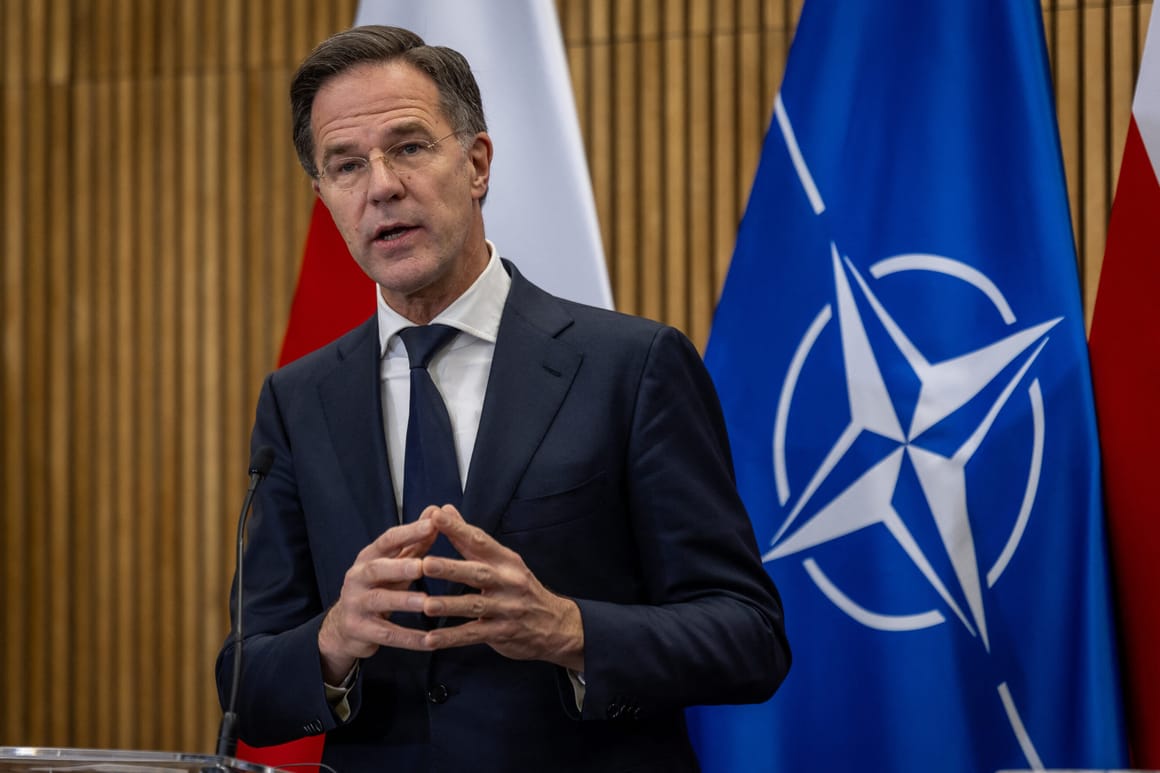
NATO Secretary-General Mark Rutte has firmly rejected the notion of Europe pursuing military autonomy from the United States. Speaking to the German Press Agency on Friday, Rutte emphasized that Washington remains a reliable security partner for Europe, despite rising skepticism among some European leaders. “I am absolutely convinced that the United States stands fully behind NATO. There is no doubt about that,” he stated.
Rutte acknowledged the need for Europe to assume greater responsibility for its own defense, which includes increasing military spending. However, he stressed that this responsibility should be undertaken within the existing transatlantic framework rather than in isolation from the U.S. He reassured that the United States would continue to be actively engaged in European security and committed to NATO.
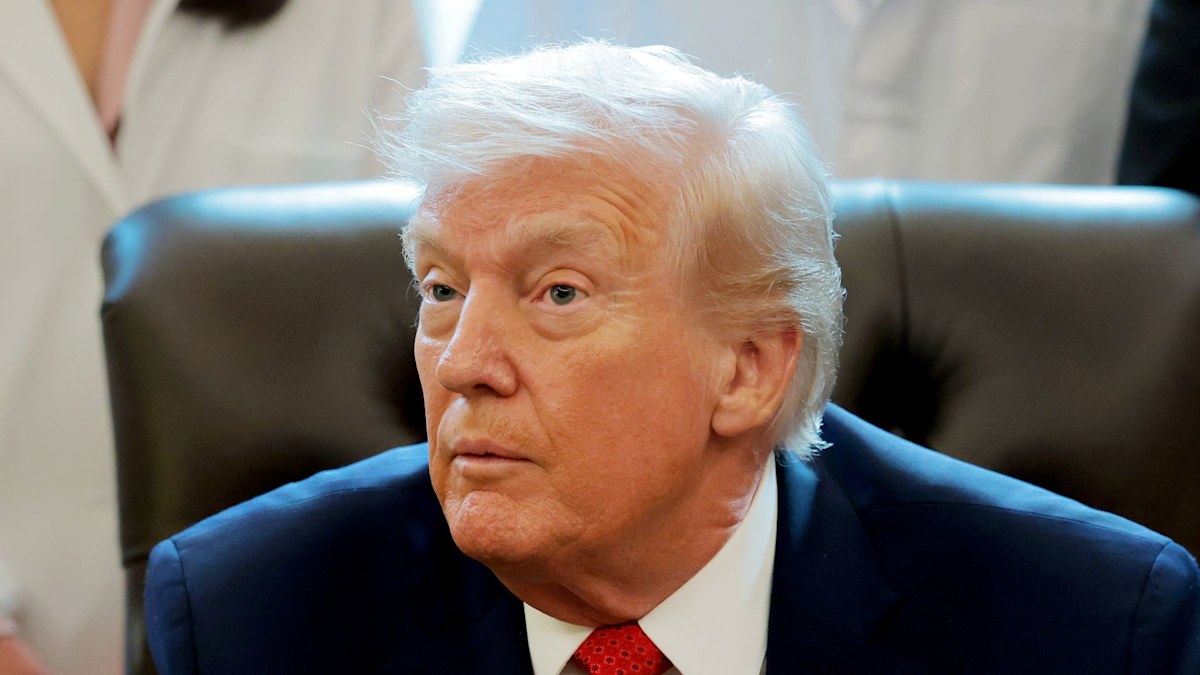
This statement comes in response to Manfred Weber, leader of the European People’s Party, who recently voiced concerns about Europe’s reliance on the U.S. amid political instability there. In an interview with Funke Media Group, Weber asserted that Europe should prepare for a more autonomous security stance, questioning whether it is reasonable to expect American support under uncertain political conditions. “We cannot seriously expect Trump to secure a peace solution on his own with American GIs,” Weber remarked, advocating for European soldiers to operate under a European flag in future security arrangements, particularly in Ukraine.
Growing Debate Over European Defense Autonomy
Rutte’s comments reflect a broader discussion occurring within the European Union about strategic autonomy and the continent’s military future. As the EU increases its defense budget and braces for a more unpredictable geopolitical landscape, many leaders agree on the necessity for Europe to enhance its military capabilities. However, Rutte cautioned against framing this effort as a decoupling from NATO.
He pointed out that much of the economic and military strength of the defense alliance remains concentrated outside the EU, especially in the United States. This makes cooperation across the Atlantic essential for the security of Europe. Rutte’s position underscores the importance of maintaining strong ties with the U.S. while also recognizing the need for Europe to bolster its own defense mechanisms.
The ongoing discussions highlight a critical juncture for European security policy, as leaders navigate the complexities of international relations and the evolving threats posed by geopolitical tensions. The outcome of this debate will likely shape the future of NATO and its role in global security matters.
As European leaders work towards a more cohesive defense strategy, Rutte’s insistence on collaboration with the U.S. serves as a reminder of the foundational principles of the NATO alliance. The balance between increased European defense responsibilities and maintaining strong transatlantic ties will be pivotal in the years to come.