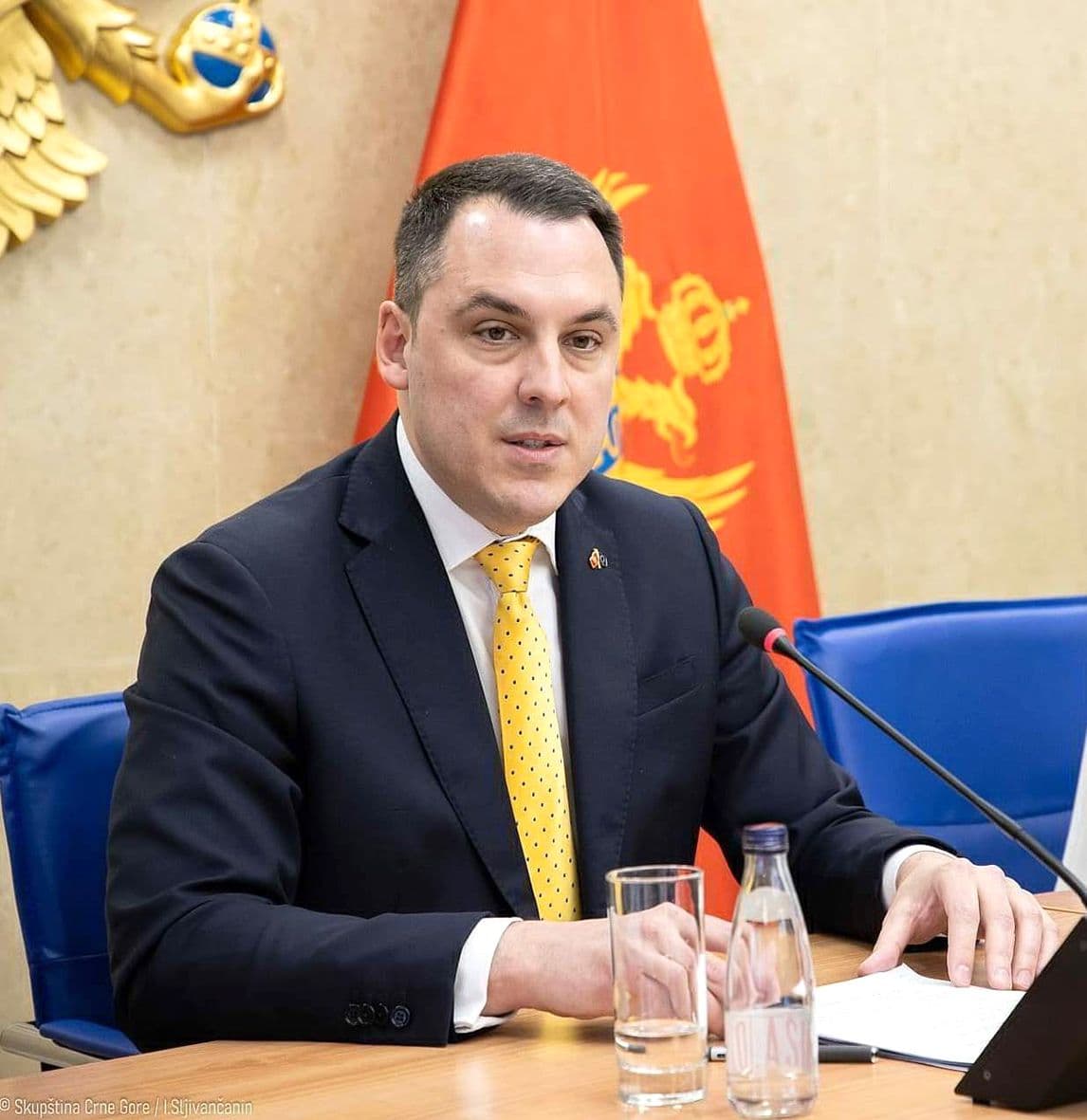
Ivan Vuković, Vice President and Member of the Democratic Party of Socialists (DPS), has publicly criticized the recent comments made by Andrija Mandić, the Speaker of the Parliament of Montenegro. In a post on the social media platform X, Vuković expressed concern over Mandić’s proposal to amend the Constitution, particularly regarding the status of the Serbian language. He argued that raising this issue is both controversial and divisive, creating unnecessary political tensions at a time when such distractions are unwarranted.
Vuković’s remarks came just one day after Montenegro received backing to close five additional chapters in its European Union accession process. This significant diplomatic development underscores the importance of maintaining a united front as the country navigates its path toward EU membership. By bringing up the potential constitutional changes, Mandić risks derailing this momentum, according to Vuković.
Implications of Proposed Changes
Vuković’s statement highlights the delicate political landscape in Montenegro. The proposed constitutional amendments could significantly impact the country’s national identity and language policy, which are sensitive topics in a nation marked by ethnic diversity. Vuković emphasized the timing of Mandić’s remarks, stating, “Just when we cannot afford any political tensions, the Speaker of the Parliament raises the issue of constitutional changes aimed at creating political strife.”
The DPS, historically the ruling party, has been vocal about maintaining stability during Montenegro’s EU accession efforts. Vuković’s condemnation not only reflects party lines but also raises questions about the broader implications of Mandić’s comments. If the parliamentary discussion moves forward, it could lead to protests or political opposition from various groups within Montenegro.
Calls for Unity
Political analysts suggest that Montenegro’s leaders need to prioritize unity to effectively navigate the complexities of EU integration. The debate over language and identity is not new; it has often been a flashpoint in Montenegrin politics. As the country seeks to align itself with European standards, the focus should remain on constructive dialogue rather than contentious amendments that may exacerbate division.
In light of Vuković’s response and the current political climate, it remains to be seen how the discussion around constitutional changes will evolve. The DPS is likely to rally its supporters against any moves perceived as threatening national stability, while Mandić may continue to advocate for what he sees as necessary reforms.
As Montenegro stands at a crucial juncture in its EU journey, the actions of its leaders will play a vital role in shaping the nation’s future. The recent developments serve as a reminder of the delicate balance between progress and the potential for division within a diverse society.