Political parties in Montenegro are once again prioritizing issues other than electoral reform, according to Marija Vesković, advisor to the President of Montenegro on public policy. As the country approaches a critical period for closing negotiation chapters and implementing meaningful reforms, Vesković highlights the stagnation of the Committee for Comprehensive Electoral Reform as a troubling sign of insufficient political will.
Vesković stated that the delay in extending the committee’s mandate was not merely a procedural error but a clear indication that genuine reform is not a priority. She noted that in the past six months, the committee has convened only once, and that meeting was merely for organizational purposes. “This shows that lawmakers are not substantively interested in electoral reform, especially regarding open electoral lists,” she commented.
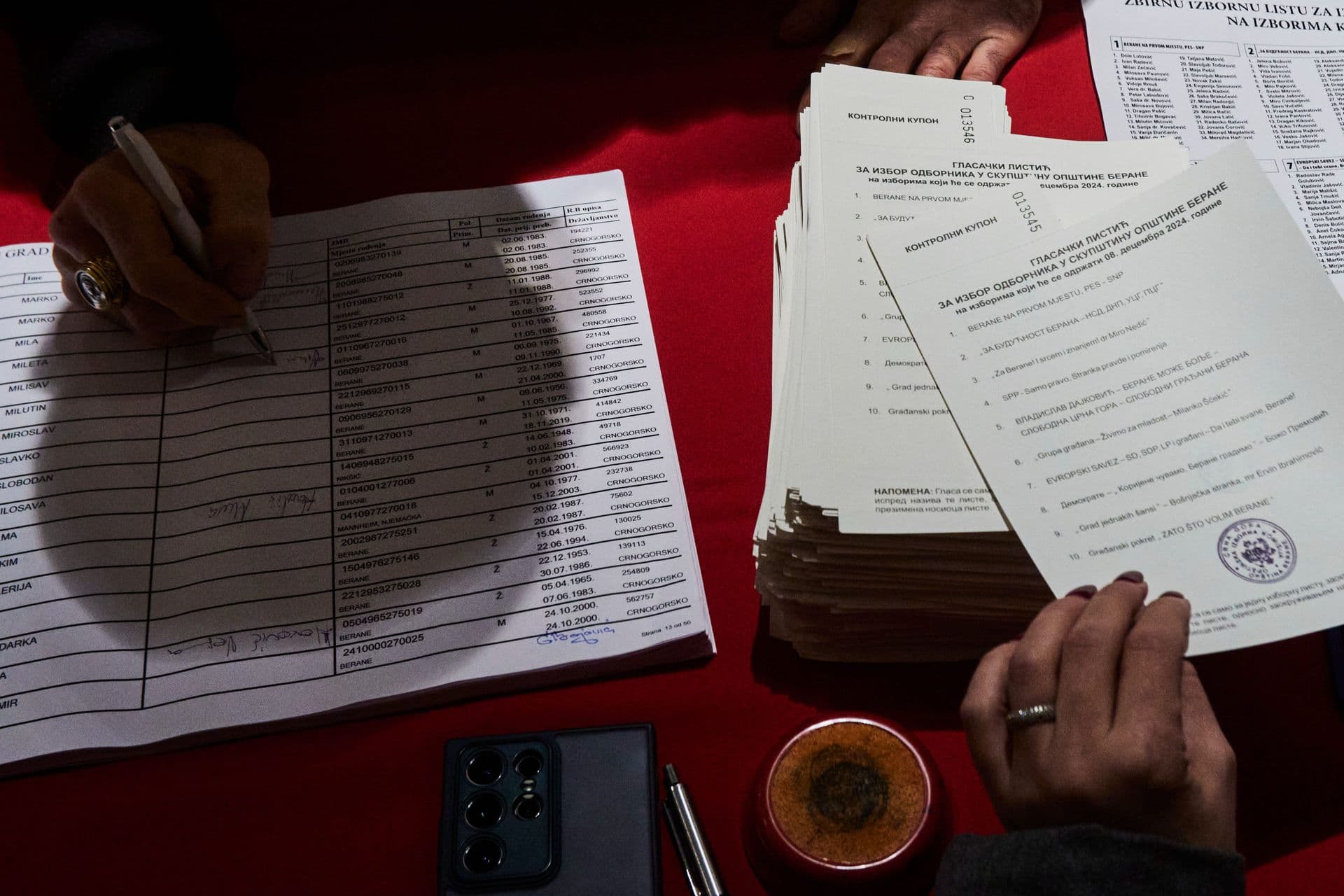
The advisor indicated that, aside from nominal support for electoral changes, no concrete steps have been taken to ensure that these reforms are included in legislation. Vesković emphasized that the proposal for a referendum to introduce open electoral lists has been pending for over two months without any movement, sending a message to citizens that their voices may continue to be marginalized.
“If key reforms are continually postponed, while the only issue that sees immediate action is the increase in funding for political parties, it is understandable why citizens doubt the sincerity of promises to open the electoral system,” she said. Vesković pointed out the inconsistency in the legislative process, noting that if it is possible to adopt dozens of laws in under two hours, then extending the committee’s work and continuing the reform process should also be feasible.
Vesković urged lawmakers to swiftly resume work on electoral reform, utilizing the remaining time effectively so that citizens can vote for candidates by name in the upcoming elections scheduled for 2027. She stressed that this moment calls for political maturity and consistency with the promised reforms, stating, “When something is truly desired, both time and majority can be found; when it is not, excuses are always available.”
As Montenegro navigates this pivotal period, the pressure mounts for political parties to demonstrate commitment to meaningful electoral reform. The outcome will significantly impact the political landscape and the democratic process in the years to come.