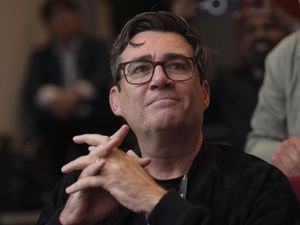
A 61-year-old man, Roy Hobbs, has become an unlikely advocate for breastfeeding after a humorous misunderstanding of the phrase “Breast is best.” While Hobbs has no personal stake in infant feeding methods, his admiration for women’s bodies has led him to vocalize support for breastfeeding in a recent interview.
Hobbs, who identifies more with a fondness for physical attributes than with parenting debates, shared his thoughts on societal preferences. He stated, “Long legs, a stunning face, a toned stomach – they’ve all got their adherents. But it’s got to be tits for me, every time.” His comments, while lighthearted, reflect a genuine enthusiasm for women’s bodies, though he clarifies that he does not intend to influence others’ choices.
His unexpected advocacy has caught the attention of organizations supporting breastfeeding. Emma Howard, a representative from The Breastfeeding Network, expressed her delight at Hobbs’ newfound support, remarking, “Breast milk has everything that a growing baby needs, and it’s heartening that a childless single man is such a passionate advocate.” Howard’s organization aims to promote breastfeeding as an essential part of infant health and development.
When asked about the impact of early 2000s controversies surrounding formula companies, specifically Nestlé, Hobbs appeared unaware, responding humorously, “Was she in Nuts?” This comment highlights his disconnect from broader discussions about infant nutrition, as his enthusiasm seems to stem purely from personal preference rather than informed advocacy.
The lighthearted nature of Hobbs’ statements has sparked both laughter and contemplation among those discussing breastfeeding. While his comments may not stem from a conventional understanding of the topic, they illustrate how personal preferences can intersect with public health discussions in unexpected ways.
As conversations about breastfeeding continue to evolve, Hobbs’ humorous take serves as a reminder that advocacy can come from the most unexpected places. His story reflects a unique blend of personal preference and public health messaging, showcasing how engagement in societal issues can arise from personal admiration rather than direct experience or expertise.