Labour Members of Parliament (MPs) are urging the government to reconsider its controversial plans to impose inheritance tax on farmers, following a recent vote in the House of Commons that supported the proposal. The government’s plans received backing from a majority of MPs, with a vote tally of 327 to 182, a majority of 145.
Markus Campbell-Savours, the Labour MP for Penrith and Solway, made it clear that he would oppose Chancellor Rachel Reeves’s tax changes. In a statement during the Commons debate, he expressed his obligation to advocate for his community, highlighting concerns over the potential impact on family farms. He noted that many farmers do not belong to the “wealthy land barons” category often associated with agricultural landowners, but instead struggle to survive on thin profit margins.
Backbenchers voiced their discontent with the measures aimed at tightening inheritance tax regulations. They argue that the new tax fails to address the exploitation of the system by wealthy individuals, including celebrities and billionaires, who purchase farmland as a means to circumvent substantial inheritance tax liabilities. In contrast, Treasury Minister James Murray defended the changes, asserting they represent a “fair way forward” that raises necessary funds for public finances.
Campbell-Savours articulated the concerns of many farmers, stating, “There remain deep concerns about the proposed changes to agricultural property relief (APR).” He pointed out that the changes could devastate elderly farmers and those who have yet to make arrangements for asset transfers. Many farmers, he noted, had been led to believe that their inheritance tax situation would not be altered, based on previous commitments from Labour Party officials.
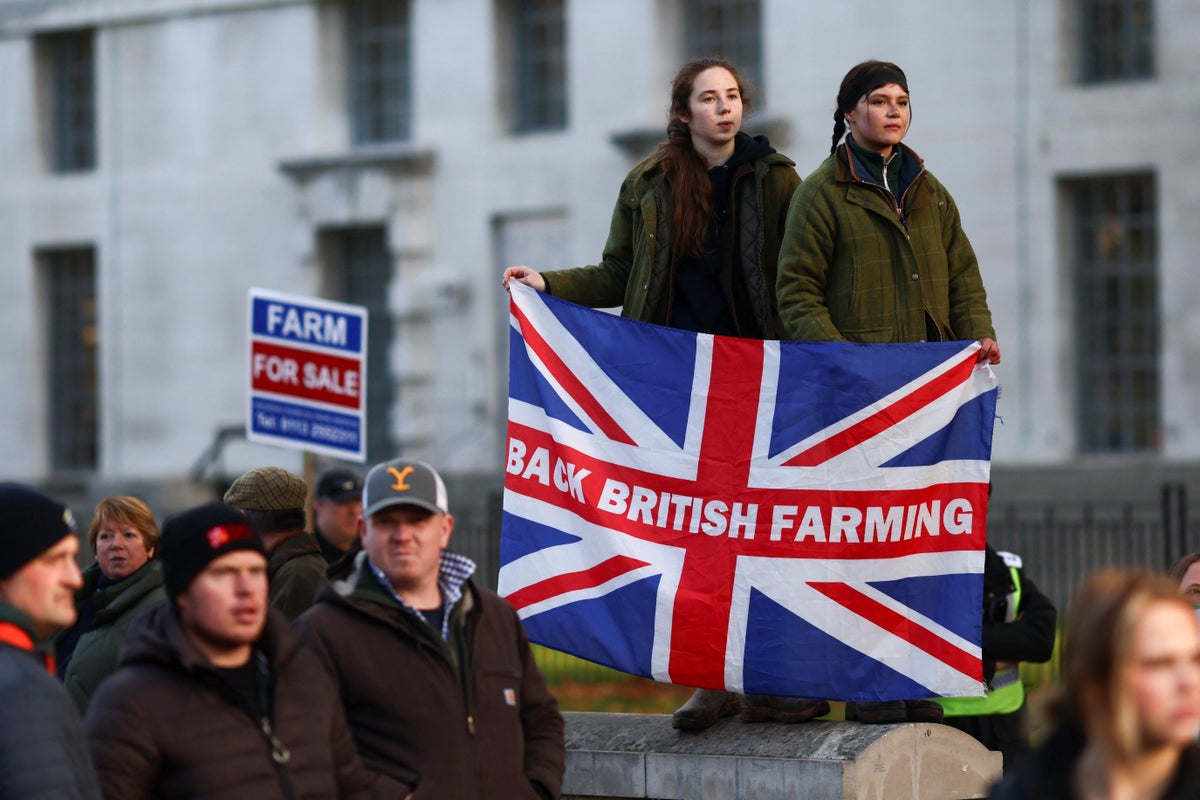
An aspect of the Budget proposed by Chancellor Reeves included the transferability of any unused portion of the £1 million APR and business property relief allowance between spouses and civil partners. Despite this concession, criticism from the farming community has remained strong. Farmers have expressed fears about the introduction of a 20 percent tax rate on agricultural land and businesses valued over £1 million, which they claim could destabilize their operations.
Samantha Niblett, the Labour MP for South Derbyshire, welcomed the concessions for married couples but implored the government to reassess the inheritance tax on APR. “Most farmers are not wealthy land barons; they live hand to mouth on tiny, sometimes non-existent profit margins,” she stated. Niblett emphasized the need to restore trust with farmers, acknowledging that many now face unexpected tax bills after being advised against transferring their farms to their children.
The debate revealed significant concern over the potential consequences of the changes. Labour MP Terry Jermy criticized the Budget for failing to address the alleged exploitation of the tax system by affluent individuals. He argued that the focus should instead be on safeguarding vulnerable farmers from undue tax burdens.
In a pointed inquiry, Labour MP Chris Hinchliff asked Minister Murray if the government would take immediate action should the changes to APR lead to farm closures. Murray responded by reiterating that the alterations to agricultural property relief are designed to balance tax fairness with the need for public revenue, ultimately arguing that the Chancellor made responsible choices that would protect investments in public services and bolster the economy.
Prior to the Budget vote, the National Farming Union (NFU) had called on Labour MPs to abstain, urging them to demonstrate their commitment to the working populace in rural communities. NFU President Tom Bradshaw expressed that without modifications, the family farm tax could ensnare the most vulnerable members of society, particularly the elderly and terminally ill, making it difficult to plan for the future. He described the situation as “inhumane” and “cruel.”
As discussions continue, the future of agricultural inheritance tax remains uncertain, with many farmers and MPs advocating for a reassessment to ensure the viability of family farms across the country.