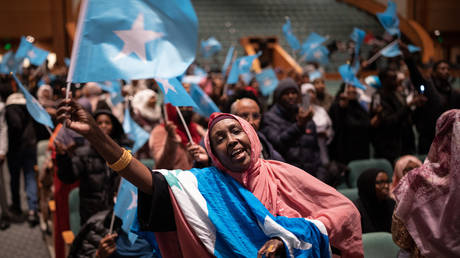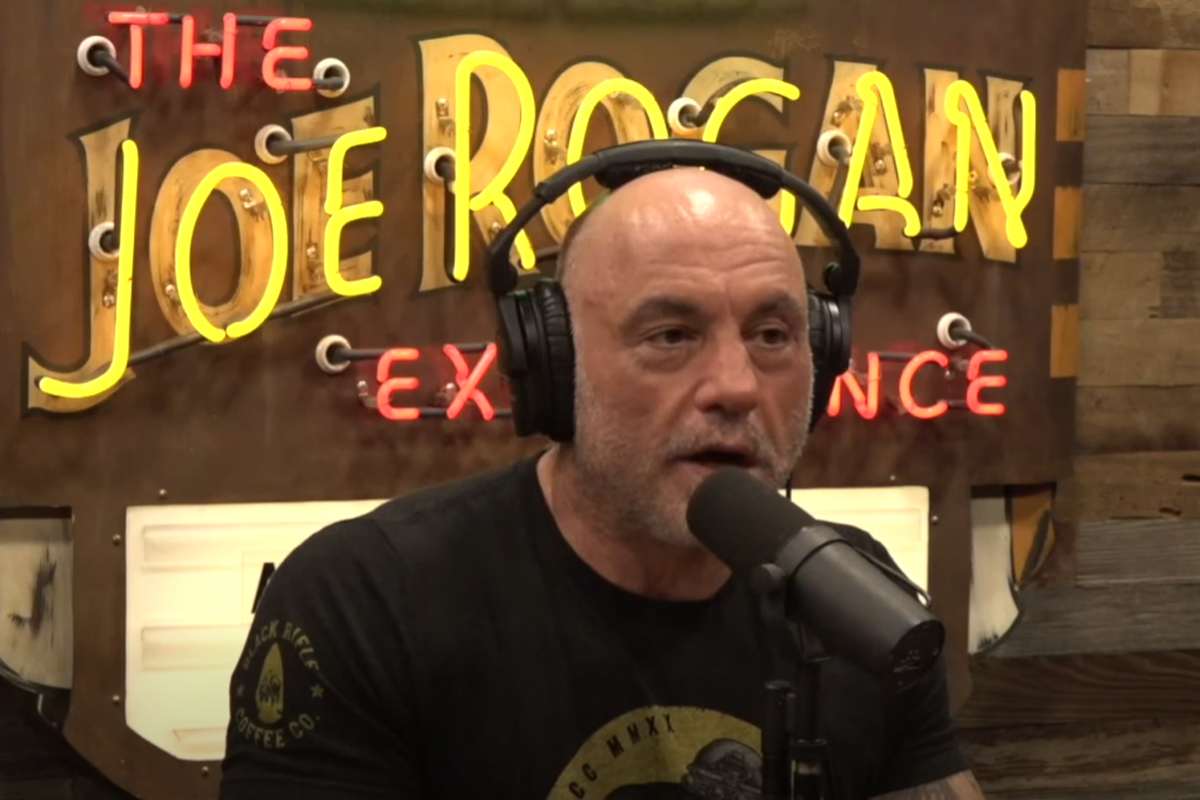
Podcast host Joe Rogan has stirred controversy by alleging that actions taken by the Donald Trump administration, specifically aggressive law enforcement operations in Minnesota, are intended to divert public attention from the incomplete release of documents related to Jeffrey Epstein. During a recent episode of The Joe Rogan Experience, Rogan and comedian Ehsan Ahmad discussed the significant federal crackdown aimed at alleged welfare fraud within Minnesota’s Somali community, which recently culminated in a fatal shooting involving an ICE agent.
The timing of these raids has raised eyebrows, particularly as the Department of Justice (DOJ) acknowledges that over two million Epstein-related documents remain under review, missing a key congressional deadline. Rogan expressed his suspicion that the administration is intentionally creating chaos to shield influential figures from scrutiny. He noted, “It’s gonna go on for a long time, I suspect,” referring to the Epstein documents still pending release.
Rogan and Ahmad highlighted that the current news cycle has shifted focus away from the Epstein disclosures, with Ahmad stating, “With the Somalians and the ICE shooting, it feels like that’s completely drowned out.” Rogan concurred, asserting, “I think some of that’s on purpose.” Their conversation reflects a broader sentiment among critics who believe the public deserves complete access to information about Epstein’s connections to powerful individuals.
The DOJ released thousands of documents related to its investigation into Epstein in December 2025; however, a comprehensive public disclosure remains absent. According to a recent court filing, since the December 19, 2025, deadline mandated by the Epstein Files Transparency Act, the DOJ has published 12,285 documents. Nevertheless, the revelation that “more than 2 million documents” are still under review raises concerns about the transparency and pace of the process.
The Trump administration has remained largely silent regarding when the remaining documents might be released, a lack of communication that critics argue is troubling. Simultaneously, the administration has aggressively pursued allegations of welfare fraud in Minnesota, responding to claims made by a right-wing influencer that daycare centers operated by Somali residents in Minneapolis had embezzled over £100 million. The optics of this situation are striking, as resources are directed towards investigating unproven claims while critical Epstein files remain in limbo.
Adding to the tension, a shooting incident on January 7, 2026, involving an ICE agent and a 37-year-old woman named Renee Good has ignited protests across Minnesota. This tragic event has drawn significant media attention and criticism of militarized immigration enforcement, overshadowing broader discussions about the administration’s priorities. Rogan condemned the shooting on his podcast, describing it as “very ugly to watch someone shoot a US citizen, especially a woman, in the face.”
His comments reflect a deep concern about government actions, particularly regarding the militarization of law enforcement. Rogan questioned the justifications offered for the shooting, stating, “When people say it’s justifiable because the car hit him? It seemed like she was turning the car away.” His unease extends to the broader implications of government overreach, asking, “Are we really gonna be the Gestapo, ‘Where’s your papers?’ Is that what we’ve come to?”
For critics of the Trump administration, the combination of delayed document releases and high-profile enforcement actions fosters a sense of mistrust. While supporters of the administration dismiss Rogan’s theories as conspiratorial, they argue that immigration enforcement and legal transparency are distinct issues.
As public debate continues, Rogan’s insights illustrate the ongoing anxiety and unanswered questions surrounding the Epstein case, which continue to shape the interpretation of unrelated political events. The intersection of these issues highlights the complexities of public perception amid a turbulent political landscape.