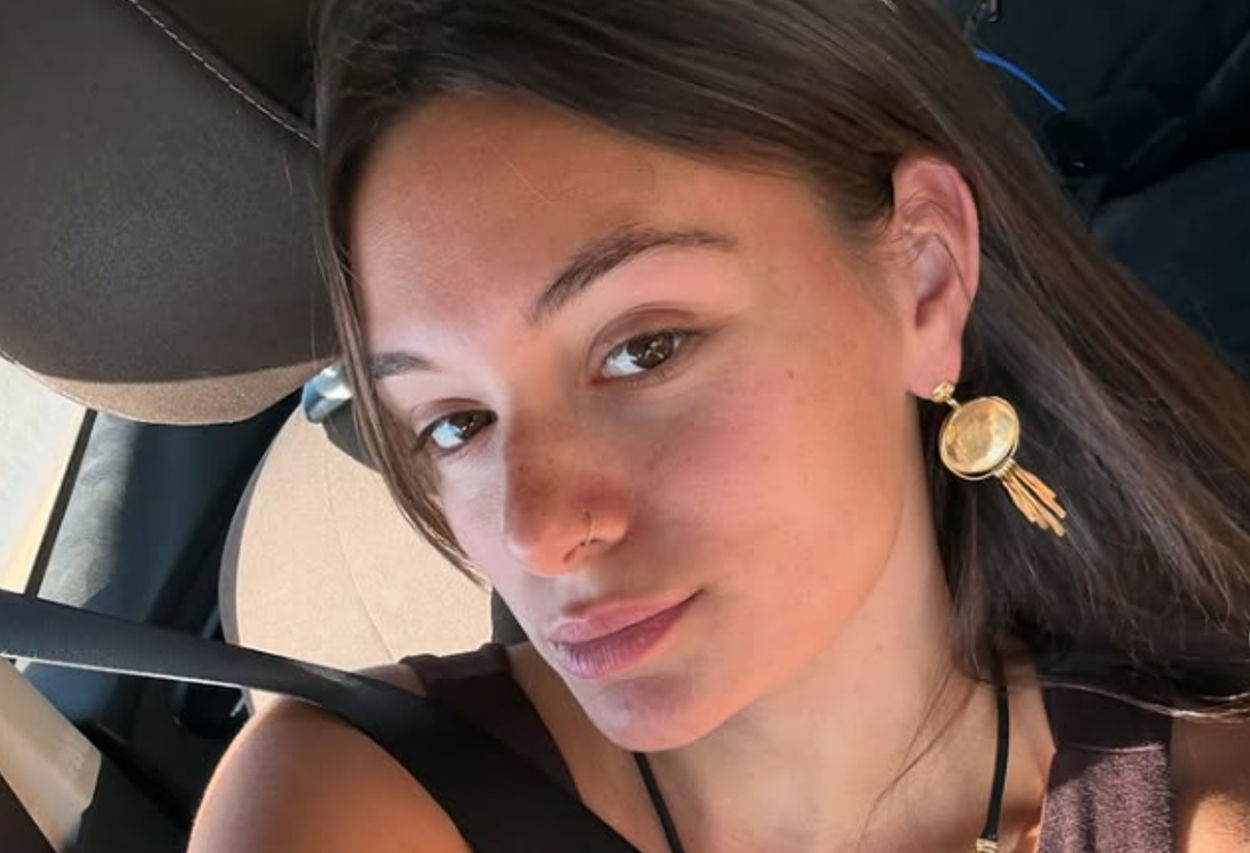
An Israeli woman, Noya Zion, has gained significant attention online after a news report falsely claimed she was executed in Iran. The report, broadcast by Channel 12 News, included her image alongside a headline that stated four Jews had been killed in protests in Iran. Zion, who has never visited Iran, recorded a video to express her shock at being identified as one of the victims.
In the video, Zion stated, “I never thought this would happen to me in my life… I’m in my house!” She emphasized her current whereabouts, adding, “I’m here, I’m alive, sitting at home, and in half an hour I’m going to training.” The report misidentified her as Sanaz Javaherian, a purported demonstrator claimed to have been arrested and beaten to death by Iranian security forces.
Zion’s father also commented on the situation via Facebook, suggesting that the confusion could stem from her resemblance to Israeli actress Niv Sultan, known for her role in the series *Tehran*. He humorously remarked, “Maybe she looks like Niv Sultan; maybe Niv Sultan looks like her. Peace to both.” He further criticized Channel 12 News, stating, “In any case, our Noya wasn’t in Tehran last week… Never mind the troll on Facebook with hundreds of thousands of followers; there are partners in the trolling. Channel 12, a channel of fools.”
The incident has sparked significant backlash on social media, with many users labeling it as either a severe journalistic mistake or a case of Israeli propaganda. One commenter noted, “Wild. The lengths they go through to lie,” while another remarked, “Israeli propaganda is so efficient it even kills its own settlers on TV.” Critics have pointed out that the incident exemplifies a pattern where media outlets fabricate stories to fit a specific narrative, fueling public fear.
This controversy comes amid heightened tensions between Iran and Israel, particularly after the events of January 8, 2026. On that day, Iran faced one of its most severe domestic crises, with widespread protests and a government crackdown on dissent. The Iranian government also imposed a nationwide internet blackout to suppress information about the unrest while accusing Israel and the United States of instigating terrorism to destabilize the nation.
From the Israeli perspective, the focus has shifted to ensuring that the Iranian regime, occupied with internal turmoil and economic collapse, cannot launch military action to unify national support. Israel has increased its military readiness and continued precision strikes against Hezbollah in Lebanon, aiming to curb Iran’s regional influence during this volatile period.
As the story of Noya Zion continues to circulate, it highlights not only the potential dangers of misinformation in the media but also the complex relationship between Israel and Iran, where both nations grapple with their narratives amidst ongoing conflict and unrest.