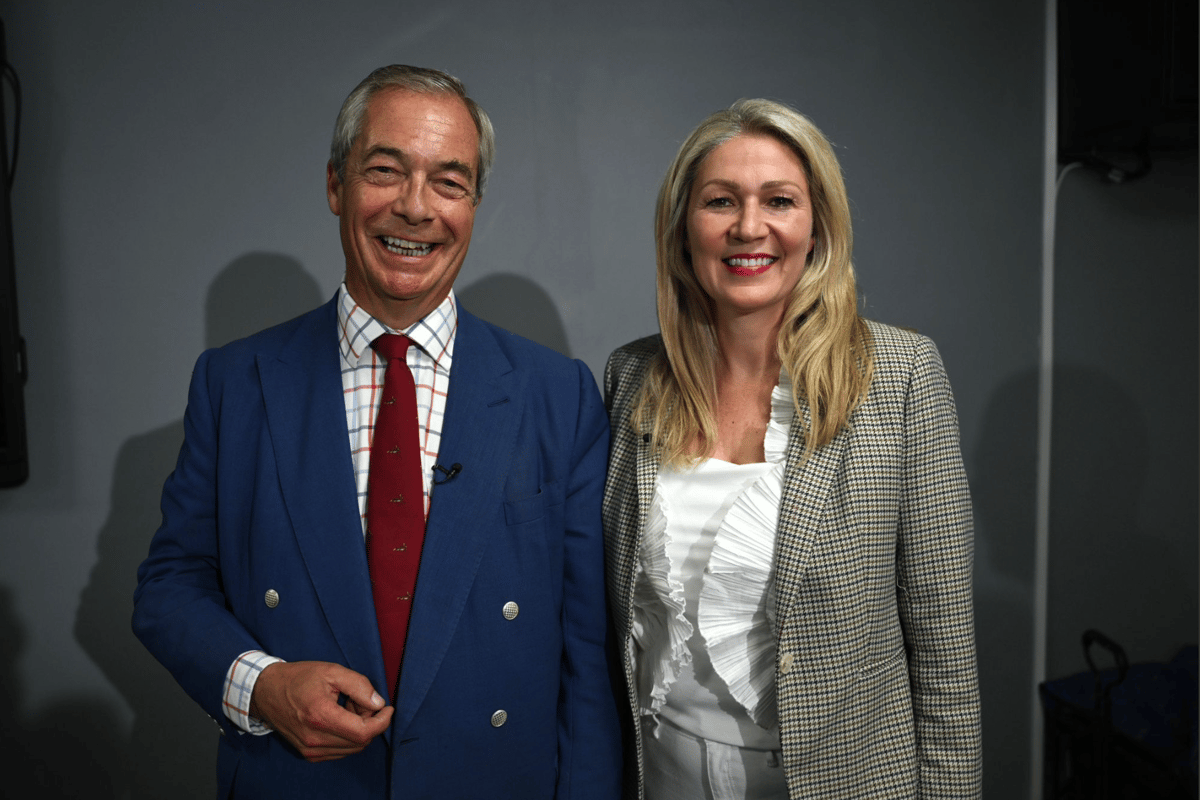
Nigel Farage and his party, Reform UK, are under scrutiny as they prepare for the upcoming Senedd elections on May 7, 2024. Critics argue that the party’s lack of detailed policies on key issues affecting mid and west Wales reveals a troubling disregard for the region’s specific needs. The recent statements from Reform UK consist of only two paragraphs focused on “farmers and the rural economy,” which observers have described as vague and insufficient for voters seeking clarity on the party’s intentions.
The statement emphasizes the importance of farmers as “the lifeblood of our country” but fails to address the unique challenges faced by Welsh farmers. It claims that “pursuit of net zero at any cost has led to productive farmland being littered with solar panels and wind farms,” suggesting a desire to reduce bureaucratic burdens and improve compensation for farmers. Yet, critics note that the message lacks substance and does not mention Wales specifically.
Reform UK’s silence on critical issues, such as the state of the National Health Service in rural Wales, local government funding, and escalating energy prices, raises concerns. The party’s promise to “scrap net zero to cut energy bills” has been described as misleading. Abandoning net zero commitments is unlikely to result in reduced costs for consumers.
As the political landscape shifts with the expansion of the Senedd from 60 to 96 members and the introduction of an all-out party-list voting system, Farage’s approach to Welsh politics appears detached. His recent comments, indicating that the elections were “a very, very long way away,” suggest a lack of urgency that seasoned politicians would consider unwise.
Recent polling data from ITV Cymru indicates a decline in Reform UK’s support, dropping from 29% to 23%, while Plaid Cymru has surged ahead with 37%. This shift reflects a growing discontent among voters who may view Reform as primarily a single-issue party focused on immigration rather than addressing local needs in regions like Ceredigion, Carmarthenshire, Powys, and Gwynedd.
The party’s leader in Wales, Nathan Gill, is currently serving a prison sentence for accepting bribes while in the European Parliament. The absence of a successor to Gill raises questions about Reform UK’s commitment to Welsh issues. Efforts to establish a Welsh Department of Government Efficiency, mirroring controversial initiatives in the United States, have been met with skepticism.
Farage’s proposals, including the reopening of the Port Talbot steelworks and a revival of coal mining, have prompted warnings from TUC Cymru. The union has described these plans as potentially threatening nearly 40,000 jobs in Wales, particularly in local authorities such as Carmarthenshire, where over 2,000 jobs could be at risk.
As the elections approach, it is crucial for voters to critically assess Reform UK’s policies and their potential implications for the future of Wales. The party’s recent performance in polls suggests that disillusionment may be growing, and a protest vote could lead to unforeseen consequences. With a significant share of the vote at stake, the need for informed decision-making is more pressing than ever.