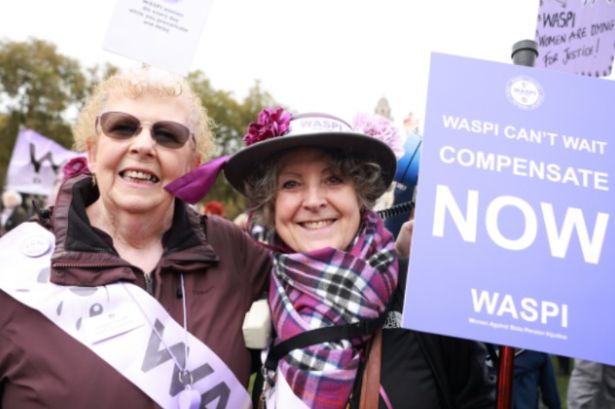
The UK Department for Work and Pensions (DWP) has been instructed to submit a compensation plan for the Women Against State Pension Inequality (WASPI) group by March 2, 2024. This directive follows calls from over 100 Members of Parliament urging the Labour Party government to take decisive action regarding compensation for women affected by changes to the state pension age.
In a letter addressed to Pat McFadden, Secretary of State for Work and Pensions, the MPs emphasized the need for transparency and prompt action. Angela Madden, chairwoman of WASPI, stated, “It’s high time that ministers stopped stalling and started compensating WASPI women.” Madden’s comments reflect the frustration felt by many who have been waiting for a resolution to a longstanding issue.
The Liberal Democrats’ work and pensions spokesperson, Steve Darling, also criticized the government’s delay, asserting, “The Government cannot keep kicking this injustice into the long grass.” He pointed out that many women had adhered to the guidelines set forth regarding their pensions, only to face unexpected changes that left them unprepared for retirement.
Government’s Acknowledgment and Response
A report released in 2024 by the Parliamentary and Health Service Ombudsman recommended that compensation be provided in the range of £1,000 to £2,950 for those affected. While the government has acknowledged the findings and issued an apology, it has yet to agree on financial compensation, which could potentially cost up to £10.5 billion in taxpayer funds.
A DWP spokesperson indicated that the decision is under review, stating, “Last month we committed to retake the decision and as set out, we will do so within the three-month period.” However, they cautioned that this does not guarantee that the government will opt to provide financial compensation.
The general secretary of the National Pensioners Convention (NPC), Jan Shortt, welcomed the government’s commitment to revisit the compensation decision but underscored the need for tangible action. “These women planned their lives around a state pension age that was abruptly and unfairly shifted, leaving many in severe financial difficulty and emotional distress,” Shortt said. She called for the government to provide meaningful compensation and show confidence in the Ombudsman as a protector of citizens’ rights.
Shortt has urged NPC members to advocate for WASPI women by contacting their local MPs, reinforcing that the community’s voice is crucial in addressing this pressing issue. As the deadline approaches, the pressure mounts for the government to deliver a fair and comprehensive compensation plan.